
Tour review · BERLIN WALKING TOURS
Berlin: Berlin Wall & East Side Gallery Walking Tour
Berlin Wall stories hit harder when you walk them. This is a focused 2-hour Berlin Wall history and East Side Gallery route that turns Cold War events into something you can actually see, stand beside, and photograph. I especially love how Berlin Wall history is explained in clear, street-level terms, not as distant museum talk. You also get East Side Gallery street-art analysis that makes the murals feel like part of Berlin’s ongoing conversation.
My other favorite part is the photography angle: the guide builds photo “scenarios” around the art and the old architecture you pass, then offers practical tips so your pictures look better than your usual point-and-shoot. One possible drawback: this is a real walking tour in the cold, so if you do not handle winter weather well, plan for it and wear warmer layers than you think you need.
Key highlights worth aiming for
- Berlin Wall history told through the places you can still see
- East Side Gallery murals explained as symbols, not just street art
- A route through Friedrichshain and Kreuzberg, two key neighborhoods for the story
- Photography scenarios that help you compose better shots on the move
- Stops that connect the Wall story to memorial spaces, including Cengaver Katranci Memorial
- A guide-led pace that can account for icy conditions
Other ways to read the Wall and divided Berlin in the street
- Berlin: Third Reich and Cold War 2 Hour Walking Tour★ 4.9 · 6,830 reviews
- Berlin’s Best: 2 Hour Walking Tour Third Reich and the Cold War★ 5.0 · 5,486 reviews
- Skip-the-Line: Berlin Wall Museum at Checkpoint Charlie★ 4.1 · 2,041 reviews
- Cold War, Berlin Wall, Spies and the East Side Gallery★ 5.0 · 1,024 reviews
Why the Wall still shapes Berlin streets
Berlin’s Wall is not just a relic. It’s a set of lines that still organize how people move, remember, and argue about identity. What makes this tour work is the way it blends Cold War context with the visual language of graffiti and street art, because Berlin did not only fence itself in, it also documented itself in public.
I like that the guide treats this as culture, history, and politics all at once. You learn what the Wall meant, then you look at what artists turned into memory, warning, and commentary when the Wall era shifted. That combination is the whole point, and it keeps the time from dragging.
East Side Gallery: street art as a Cold War mirror
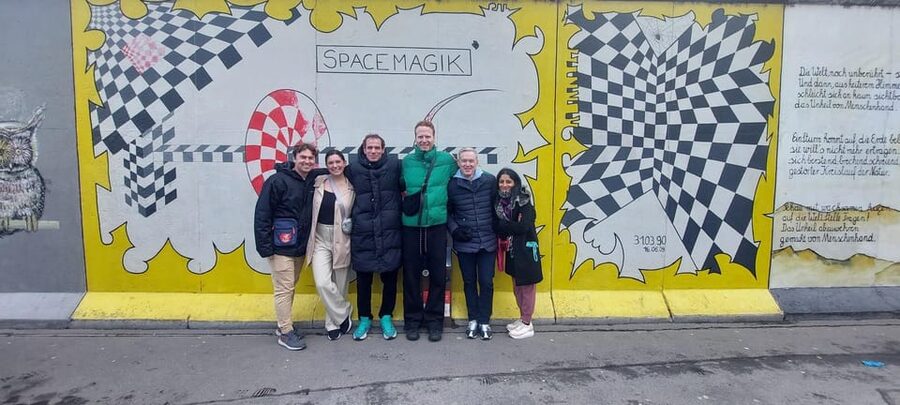
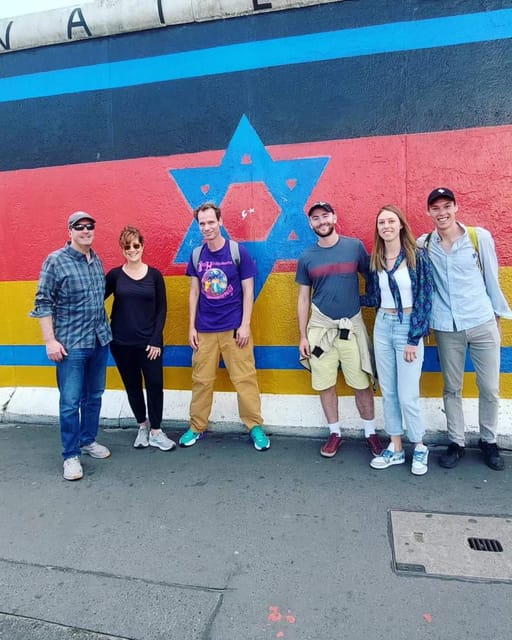
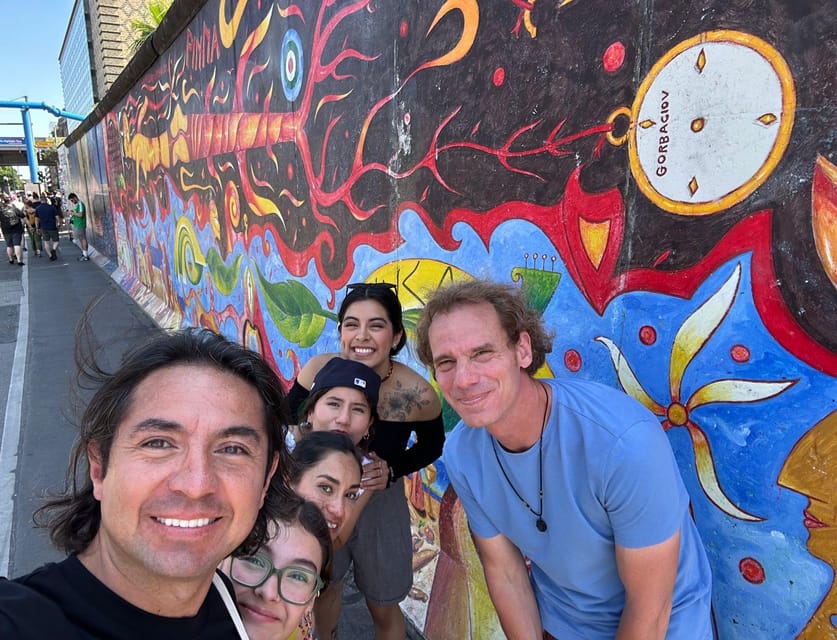
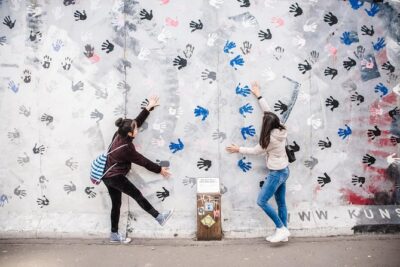
The East Side Gallery is the star for a reason. It’s a Berlin Wall memorial and a street-art gallery rolled into one, and it’s often described as the largest open-air gallery in the world. On this walking tour, you do not just stroll past it like a photo stop. You get a guided look that treats the murals as messages with specific symbolism and specific historical timing.
You’ll spend about an hour at the East Side Gallery, and that chunk of time matters. Murals reward patience. The longer you stand with them, the more you notice patterns, references, and how artists used imagery to talk about power, freedom, and the changing mood of Berlin. The guide also explains influences behind the art, which makes the visuals easier to read, even if you are new to street art.
And yes, you’ll also get photo help. The tour is built around photography scenarios, so you can plan your shots around your subjects, lighting, and angles. It’s not about taking a quick snap and moving on. It’s about learning where to stand and how to frame the Wall art and nearby architecture so your photos look intentional.
Starting at East Side Bäckerei, then walking into the story
The tour starts near East Side Bäckerei at Warschauer Str. 34-36 for one of the two available starting options. The meeting point can vary depending on the version you book, so you’ll want to confirm the exact location before you head out.
From the first minutes, the tour sets up the geography and the mood. You begin with a guided walk through the Friedrichshain-Kreuzberg area (about 20 minutes), and that early segment helps you understand why the Wall story is tied to these neighborhoods. It also keeps you from feeling lost once you reach the art section. You get context first, then payoff.
If you are the type who likes to know where you are before you start taking photos, you’ll appreciate this structure. The route guides your eyes, not just your feet.
Friedrichshain and Kreuzberg: learning the Wall beyond the main spots
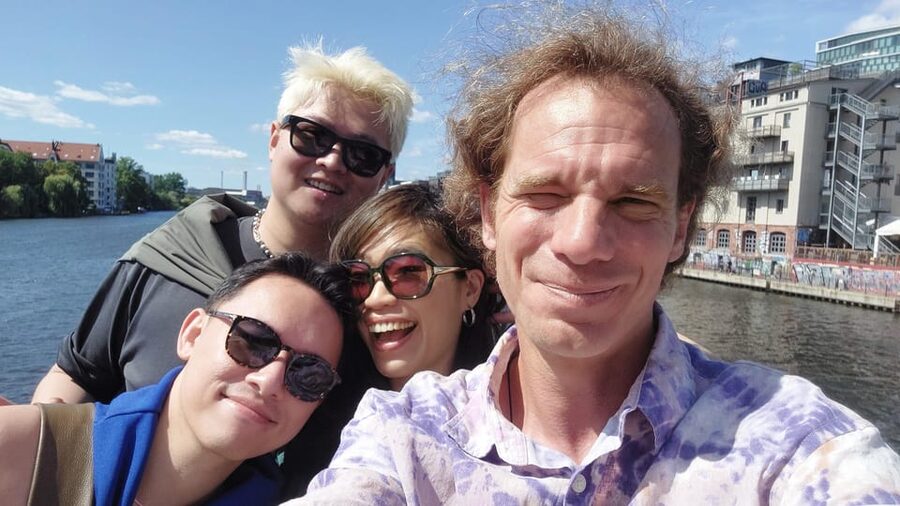
This part of the walk is where the tour turns from sightseeing into understanding. As you move through Friedrichshain and Kreuzberg, the guide connects the Wall’s Cold War episodes to the urban fabric around you. You also get included stops connected to key Wall memory points, including the Berlin Wall Museum and the Cengaver Katranci Memorial.
Here’s why that matters: if you only focus on the most famous surviving art, you can miss how many pieces of the Wall story involve real people, real events, and real consequences. A memorial stop is a reminder that this was not abstraction. The guide’s job is to connect those meanings back to what you’ll see in the murals later.
You’ll also be thinking about photos while you walk. The tour is set up so street art and older architecture can work together in the background of your images. That gives you more variety than a single wall segment would.
Berlin on foot, with a few more routes worth comparing
- Discover Berlin Half-Day Walking Tour
★ 5.0 · 9,624 reviews - Berlin: Third Reich and Cold War 2 Hour Walking Tour
★ 4.9 · 6,830 reviews - Berlin: Discover Berlin Walking Tour
★ 4.9 · 5,998 reviews - Berlin’s Best: 2 Hour Walking Tour Third Reich and the Cold War
★ 5.0 · 5,486 reviews - Berlin: Hidden Backyards Guided Walking Tour
★ 4.8 · 5,360 reviews
Berlin Wall Museum: the quick context that makes murals click
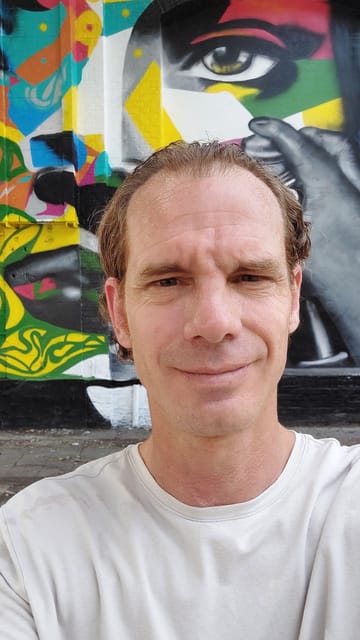
The Berlin Wall Museum stop is not just name-dropping. It functions as a context checkpoint. Even if you have read a bit about the Cold War, the guide helps you connect the broader story to the specific visual language you’ll see at the East Side Gallery.
In practice, this means you arrive at the murals with a framework. Instead of asking, What is this mural about? you start asking, What message is the artist sending here, and why would that symbolism matter in that moment? When you can answer that, street art stops being just aesthetics and starts being evidence.
If you like tours that teach you how to look, this kind of museum-linked stop is one of the reasons the experience is so highly rated.
East Side Gallery deep look: murals, symbolism, and 1990s Berlin shifts
This is the heart of the tour, with about an hour at the East Side Gallery. The guide goes piece by piece and explains symbolism and artist motivations. You’ll also learn how the art fits into the broader changes of the time, including the 1990s Berlin-era context that shaped what artists chose to say.
One of the best parts is how the guide connects art to society. The East Side Gallery is famous, but the tour makes it more specific. You don’t only hear what the murals depict. You hear what the imagery meant, what it pushed against, and how it reflected shifting attitudes as Berlin moved through the end of the Wall era.
I also really like that you can ask questions during this stop. The guide answers along the way and keeps the pace moving so the group stays involved, even when the weather is rough. The tour has a practical rhythm: see, interpret, then look again with better questions in your head.
Oberbaumbrücke stop: photo-friendly rhythm and a bridge between neighborhoods
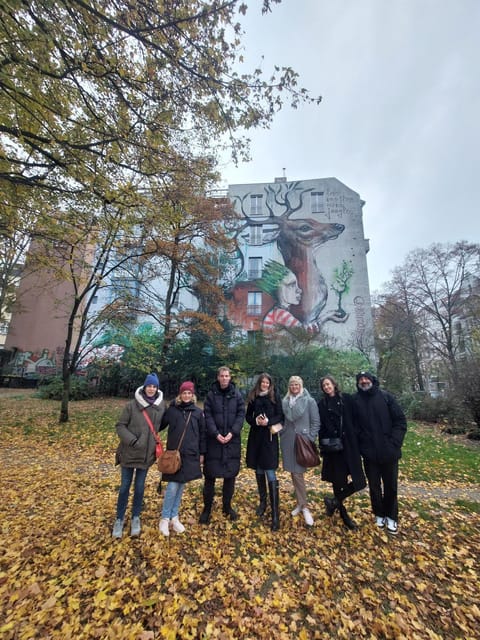
After the East Side Gallery, the route continues to Oberbaumbrücke for about 20 minutes, then onward to Kreuzberg. Even if you are not chasing a specific landmark for its own sake, this stop plays a useful role in the walk.
It helps stitch together the route visually and thematically. You’re moving through a Berlin that has layers, old structures beside new identities, and the guide uses those transitions to keep the story coherent. And because the tour is built around photography scenarios, Oberbaumbrücke is one more place where you can set up a strong shot with street art context in mind.
If you care about taking better pictures, this is where your new framing skills pay off. You’ll know what to look for, and you’ll have had time to practice while the murals were teaching you how to interpret.
Kreuzberg finale and the Schlesisches Tor finish
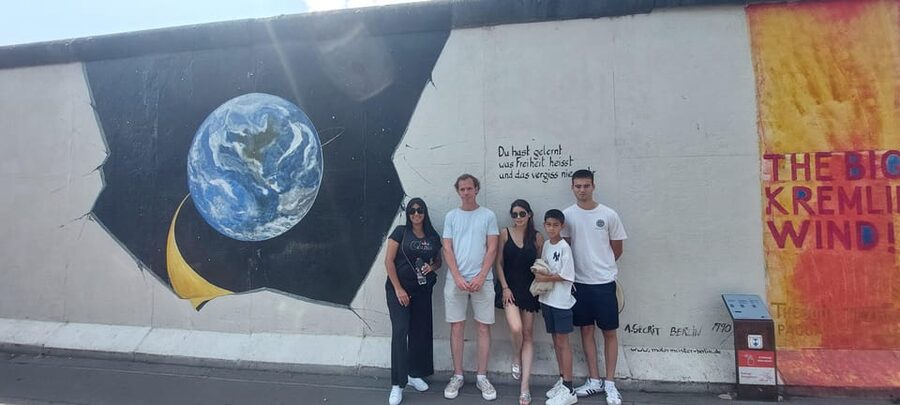
The walk includes about 20 minutes in Kreuzberg, then finishes at Schlesisches Tor. This last stretch matters because it brings you out of the most famous Wall art bubble and into the surrounding neighborhood feel.
You get a final layer of context about how the Wall’s legacy lives on in the city today, and the guide typically shares tips for what to do next. Those end-of-tour suggestions are a big deal for me because Berlin has a lot of places to eat and drink, and it’s easy to waste time picking something generic. With this kind of local guidance, you can head straight to a good coffee or meal after the walk.
If you are traveling with kids or you just like keeping conversations going, this finale is often a sweet spot. The guide’s style encourages curiosity, not passive listening.
Practical tips so the 2 hours feel good, not painful
This tour is about 2 hours, and it’s outdoors, so your clothing choice affects the experience more than you might expect. The recommended items are simple: comfortable shoes, warm clothing, snow clothing if needed, weather-appropriate layers, and thermal clothing.
On cold days, I’d treat this as a winter photo walk with history built in. Move with purpose, keep warm, and do not plan to wear thin soles or fashion boots. Your feet will notice first, and then your attention will wander.
Also, the tour is guided in English and Spanish. The guide asks that you can speak good English or Spanish to get the most out of the cultural explanation. If you feel shaky with the language, you might miss the nuance in how symbolism and historical context are connected.
Finally, this is not a light, sit-down experience. It’s a walking tour, and it is not suited for people over 95 years old. The tour also notes limitations if you have a physical issue like a broken foot or hearing loss, since there is no sign language interpreter.
Price and value: what $29 buys you in real terms
At about $29 per person for a 2-hour walking tour, the value is in the specialist focus. You are not paying only for access to famous locations. You are paying for interpretation: the guide’s art and Cold War connections, the stop-by-stop explanations, and the built-in photography approach.
If you want a self-guided Wall and East Side Gallery route, you can do that. But you will not easily get the symbolism analysis, the 1990s context links, or the practical photo guidance that helps you frame shots. Here, the guide is the difference, and that’s why the tour can feel efficient instead of rushed.
It also helps that the guide offers neighborhood tips, so the tour can pay off beyond the walk itself.
Should you book this Berlin Wall and East Side Gallery walking tour?
Book it if you want a Wall experience that does more than show you famous art. You’ll likely enjoy it most if you are an art lover, interested in local history, or you want a day where you feel like a photographer for a few hours. The tour is also a strong pick for first-timers, because it connects Berlin Wall history with the East Side Gallery in a way that helps you understand what you’re seeing.
Skip it if you cannot handle winter walking, if you need accommodations beyond what’s offered, or if you are not comfortable following in English or Spanish. If that’s you, you might prefer a different format that better matches your needs.
If you do fit the style, this one is a smart use of limited time in Berlin: Wall history plus East Side Gallery street-art meaning, with photo tips that make the memories last.
FAQ
Where do I meet for the tour?
The meeting point can vary based on the option booked. One starting location is East Side Bäckerei, Warschauer Str. 34-36.
How long is the walking tour?
The tour duration is 2 hours.
How much does it cost?
The price is $29 per person.
Which locations are included?
The tour includes stops at the Berlin Wall, Berlin Wall Museum, East Side Gallery, Cengaver Katranci Memorial, Oberbaumbrücke, and areas in Kreuzberg and Friedrichshain-Kreuzberg, finishing at Schlesisches Tor.
What languages are the guides speaking?
The live tour guide offers English and Spanish.
Is the tour wheelchair accessible?
Yes, the tour is listed as wheelchair accessible.
What should I bring and wear?
Bring comfortable shoes and dress for the weather. The tour specifically suggests warm clothing, snow clothing if needed, weather-appropriate clothing, and thermal clothing.
Is this tour suitable for everyone?
It is not suitable for people over 95 years old. It also notes that it is not for people with certain physical problems like a broken foot or hearing loss, and it does not mention sign language interpretation.
Is free cancellation available, and can I pay later?
Yes. Free cancellation is available up to 24 hours in advance for a full refund. You can also reserve now and pay later.
Keep Walking Berlin

More Wall & Cold War Berlin
More Tour Reviews in Berlin

Recently added around Berlin

Berlin Walking Tours, compared.
 ★ 5.0Discover Berlin Half-Day Walking TourFrom $249,624 reviews
 ★ 4.9Third Reich and Cold War 2 Hour Walking TourFrom $236,830 reviews
 ★ 4.9Discover Berlin Walking TourFrom $235,998 reviews
 ★ 5.0Berlin’s Best: 2 Hour Walking Tour Third Reich and the Cold WarFrom $245,486 reviews
 ★ 4.8Hidden Backyards Guided Walking TourFrom $235,360 reviews
 ★ 5.0Third Reich Berlin: Hitler and WWII Walking TourFrom $243,301 reviews
 ★ 4.6Alternative Berlin Walking TourFrom $291,204 reviews
 ★ 4.9Third Reich, Hitler, and WWII Walking TourFrom $201,133 reviews
Browse the lists this tour appears in