
Tour review · BERLIN CITY SIGHTSEEING TOURS
Berlin Wall: City Tour of Divided Germany
Berlin feels different when you follow the wall. I love the way this tour anchors the Cold War in real places like Friedrichstraße, where it functioned as the single border station during the Cold War. I also love the personal stories the live guide brings, with feedback that highlights guides such as Stephan and Stefan for making the facts feel human.
One possible consideration: it is a 2 hour, on-foot route in city streets, so you will want to plan for walking and cold weather. Also, the tour guide speaks German, so plan on that if you prefer English.
Key highlights you will actually care about
- Friedrichstraße station’s border role during the Cold War, not just another landmark photo stop
- Spree River to government district, where walls and power sat side by side
- Brandenburg Gate plus the border line, the symbol everyone recognizes for a reason
- Holocaust Memorial at the former death strip, a heavy stop handled with context
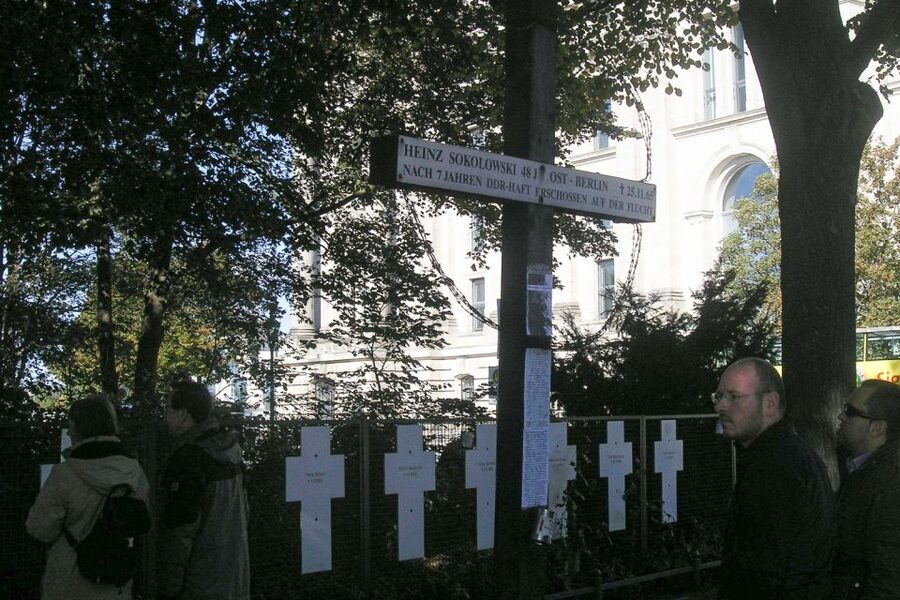
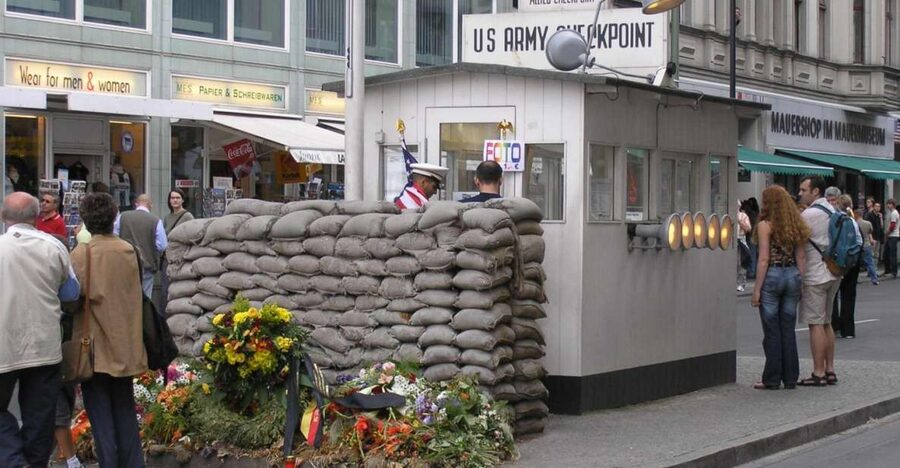
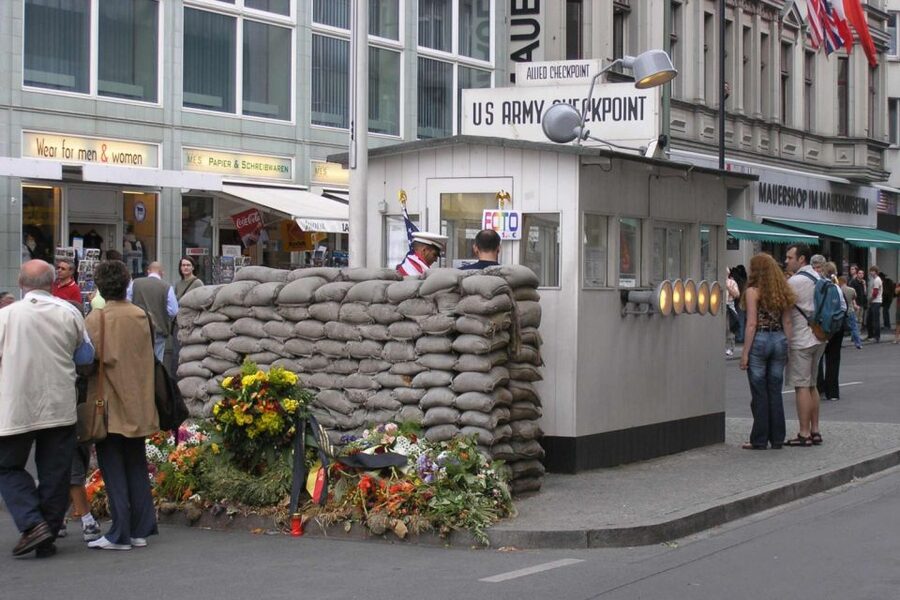
- Longest remaining wall stretch and Checkpoint Charlie, ending with the parts people remember most
Other ways to read the Wall and divided Berlin in the street
- Berlin: Third Reich and Cold War 2 Hour Walking Tour★ 4.9 · 6,830 reviews
- Berlin’s Best: 2 Hour Walking Tour Third Reich and the Cold War★ 5.0 · 5,486 reviews
- Skip-the-Line: Berlin Wall Museum at Checkpoint Charlie★ 4.1 · 2,041 reviews
- Cold War, Berlin Wall, Spies and the East Side Gallery★ 5.0 · 1,024 reviews
Meeting at Tränenpalast, right outside Friedrichstraße
Your tour starts at the entrance of Tränenpalast (Palace of Tears), in front of Friedrichstraße station on Reichstagufer. The practical detail that matters: Tränenpalast has only one entrance, so arrive with a little time to orient yourself.
This is a smart starting point. Even before you begin walking, you are already in the zone where Berlin’s division became real for everyday travelers. That sets the tone for the whole two hours: not a museum lecture, but a guided walk through how the border shaped daily movement, decisions, and routines.
Also, bring comfortable shoes. It sounds basic, but it matters here because the route hits major border-adjacent areas rather than stopping and starting every few minutes.
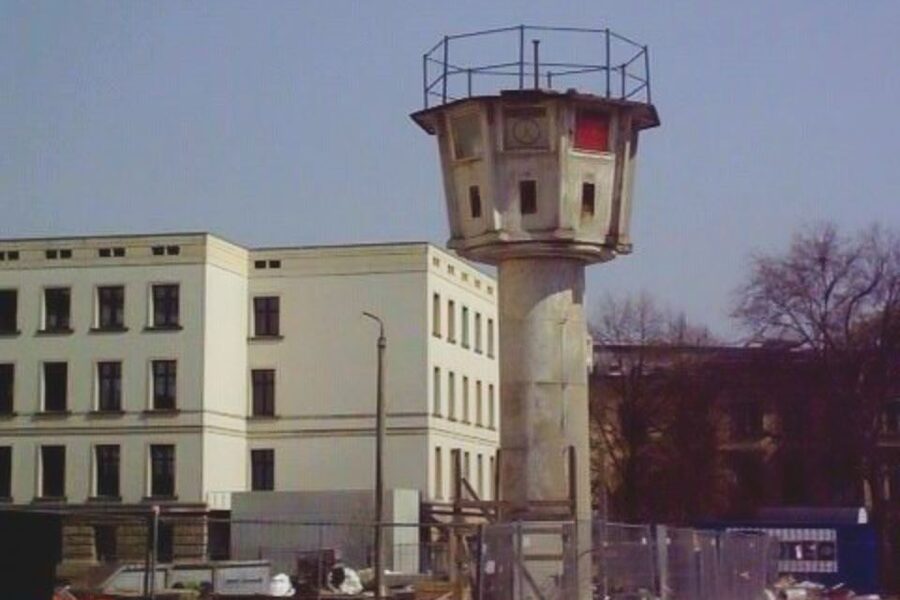
Friedrichstraße: the Cold War border station you can still picture
The tour quickly centers on Friedrichstraße station, described as the single border station during the Cold War. That detail is important because it turns a familiar transit hub into something more specific: a pressure point where systems met, people waited, and rules shaped who could move and when.
What I like about this stop is that it helps you connect scale. The Berlin Wall was a physical barrier, but the experience also came through logistics: checkpoints, designated routes, and the fact that borders were not abstract. They were part of how the station worked.
A good guide approach matters a lot for this kind of history walk. The feedback you can lean on here is that the guides give personal stories, and that style is exactly what keeps this stop from turning into names and dates only.
Following the Spree to the parliament and government district
From Friedrichstraße, the tour moves along the Spree toward the parliament and government district, including buildings that were located partly along the border strip. This is where Berlin’s division stops being only an east versus west story and becomes a story about institutions too.
Look at the geography. Even without reading anything, the layout helps you understand why governments, infrastructure, and border control could not be separated. The wall was not just at the edge of town. It shaped the environment around power, too.
Why this part is valuable for you: if you are only seeing Berlin’s “major sights,” you might miss how the border influenced the city’s core. This segment nudges you to think about where decisions were made, and how close those decisions were to separation lines.
Brandenburg Gate: the border line made visible by one famous photo spot
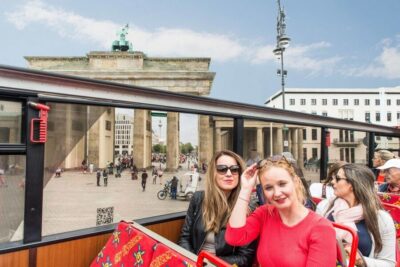
Next is the Brandenburg Gate, where the border ran. The gate is famous enough that you might think you already know it. But on this tour, it gets framed as more than an icon. It becomes a landmark positioned exactly where the division mattered.
Standing here with context changes how you look at it. Instead of seeing a single monument, you see a threshold. That is the point: this spot is well known because it was repeatedly used to symbolize division, and the city’s fate was tied to what happened around it.
Potential drawback: this is a place where crowds can gather around the same angles. That means you might not get long visual pauses. The tradeoff is that you are getting a guided explanation of why this particular location became shorthand for the wall.
More ways to establish Berlin’s shape before the day fills up
- Berlin: Hop-On Hop-Off Sightseeing Bus with Boat Options
★ 4.3 · 4,012 reviews - Berlin: 1-Hour City Sightseeing Cruise
★ 4.4 · 2,210 reviews - Berlin: Sightseeing Tour in Classic Volkswagen T1 Samba Bus
★ 4.9 · 993 reviews - City Sightseeing Berlin Hop-On Hop-Off Bus Tour
★ 3.0 · 981 reviews - Berlin Highlights 3-Hour Bike Tour
★ 5.0 · 948 reviews
Holocaust Memorial at the former death strip: remembering with care
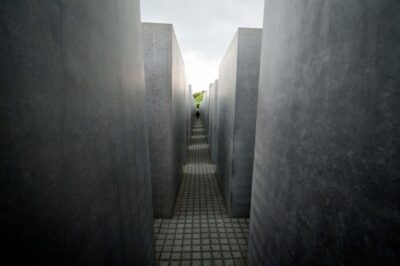
From the Brandenburg Gate area, the tour continues to the Holocaust memorial at the former death strip. This is a heavy stop, and it is also a necessary one. You get the reminder that the wall period overlaps with crimes and trauma on a scale that does not allow for casual sightseeing.
In practical terms, you should treat this as a moment to slow down. If you are sensitive to memorial sites, plan a little extra mental space here. If you are not sure how to “do” memorials, your guide’s framing will likely help you understand what you are seeing and why that location matters.
What makes it valuable in this specific tour: it ties the physical border strip to the reality of suffering, not just political conflict. That keeps the story from staying too tidy or too purely strategic.
Potsdamer Platz and the Tiergarten Triangle: where the split looked like the city
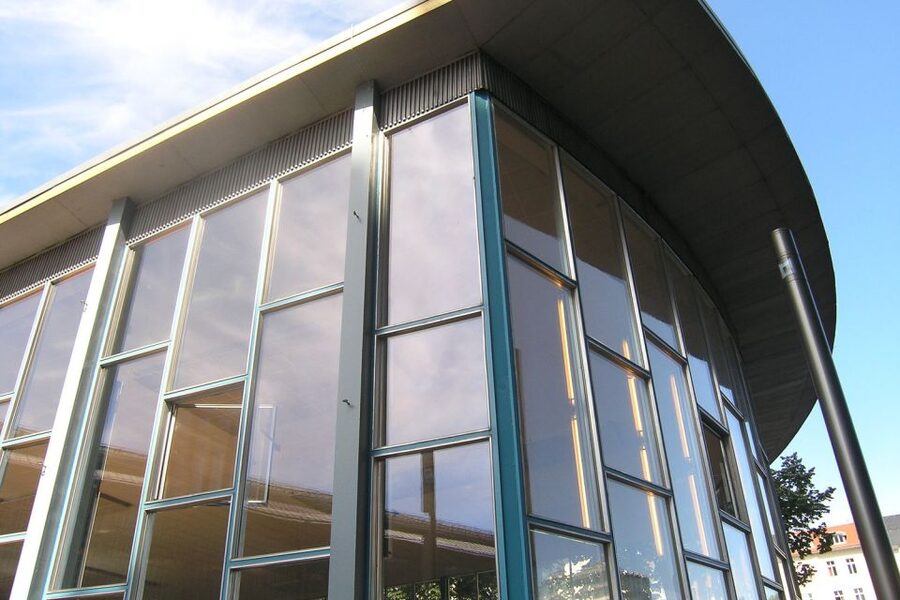
Then the tour reaches Potsdamer Platz, where the split is particularly visible in the former Tiergarten Triangle. This is one of the most visually clarifying parts of the whole walk because the space invites you to compare movement, direction, and connection.
If you have been to Potsdamer Platz before, you might know it as a modern hub. Here, it is presented with a different lens: the division shaped what people could cross and how Berlin’s spaces behaved. The Tiergarten Triangle reference matters because it points to a specific geometry where the border’s presence would have been obvious.
What you should watch for: the way the city’s layout guides paths. Even in today’s Berlin, those patterns can still make the past feel easier to imagine than it would in a classroom.
The longest remaining stretch of the Wall, plus Checkpoint Charlie
Later you will see the longest remaining stretch of the wall. That stop hits differently than the memorial or the gate. A remaining segment is concrete evidence, so it tends to trigger the most immediate “how could life work like this?” reaction.
After that comes Checkpoint Charlie, described as world famous. Here, the guide’s job is crucial. Checkpoint Charlie can turn into a photo stop if you are not careful. In this tour, it is part of a sequence that starts at functional border points (like Friedrichstraße), moves through major symbolic markers (like Brandenburg Gate), and then lands on the places people remember.
The best part of this ending in my view is pacing. By the time you reach Checkpoint Charlie and the longer wall segment, you already understand how the border structured movement. That makes the famous name feel earned rather than just theatrical.
One more note from the experience feedback: at least one guide ran longer than planned, extending the tour by an extra hour. That tells you the route can absorb extra context, and that personal storytelling tends to be part of the value here.
Price and value: why $21 for two hours can be a good deal
At $21 per person for about 2 hours, this tour is priced like a focused city walk. That matters in Berlin, where you can easily spend money and time stitching together audio guides, tickets to specific sites, and separate routes to connect everything.
What you get here is a guided thread that ties together key border locations: Friedrichstraße, the Spree toward government sites, the Brandenburg Gate, the memorial at the former death strip, Potsdamer Platz and the Tiergarten Triangle, then the longest wall stretch and Checkpoint Charlie. You are essentially paying for the storytelling and the route logic.
Balanced take: you are not buying a full-day history course. This is a tight route. If you want deep immersion into single museums or long stops with lots of reading time, you might feel rushed. But if you want a high-impact overview with personal narrative and clear geography, the price and duration feel like a strong match.
What group and guide style you can expect
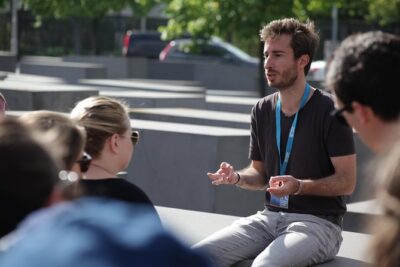
The tour runs with a live tour guide and is German language. The reviews signal two strongly praised traits: the guide’s personal storytelling and the intensity of the experience, including feedback about a small group and one extended tour.
That combination tends to be ideal for this kind of walking history. The Wall is not the sort of subject where you benefit from only reading plaques. You need someone to connect the dots and explain what daily life looked like under pressure.
If you are comfortable with German, you will likely enjoy the nuance more than you would on an English substitute. If you are not comfortable with German, you might still follow the route, but you will miss part of what makes the tour stand out.
Who this Berlin Wall tour fits best
This tour is a good fit if you:
- Want the Berlin Wall story told through major real-world locations, not only museum exhibits
- Like history explained with human context, including how daily life was influenced by the wall
- Prefer a route you can understand quickly in a short timeframe
It might be less ideal if you:
- Want English-only guiding (this tour is listed as German)
- Hate walking or plan to be out in cold conditions without breaks
- Prefer long, slow visits where you can linger for a full museum-style experience
Quick practical tips before you go
- Wear shoes you can walk in for two hours. City paving adds up.
- Bring a layer. Even in decent months, you can feel wind by the river.
- Look at the street plan while you walk. This tour rewards you for noticing directions and spacing between landmarks.
- If you care about memorial sites, arrive mentally ready to slow down at the Holocaust Memorial stop.
Should you book this Berlin Wall City Tour of Divided Germany?
If your goal is a sharp, guided route through Berlin’s division story, I think this one is worth booking. The value comes from the way it connects multiple key points in a logical order, from functional border zones like Friedrichstraße to symbolic landmarks like the Brandenburg Gate, then the memorial and the places people associate with the border like Checkpoint Charlie.
Also, the strong feedback about guide storytelling and the fact that one tour ran longer than planned suggests the guides put energy into making the experience feel personal, not scripted.
Book it if you want an efficient, meaningful Wall overview you can grasp fast. Skip it if you need English guiding, or if you want a deeper museum day instead of a focused two hour walk.
FAQ
Where do I meet for the tour?
Meet at the entrance of Tränenpalast (Palace of Tears) in front of Friedrichstraße station on Reichstagufer, 10117 Berlin. Tränenpalast has only one entrance.
How long is the Berlin Wall city tour?
The tour lasts 2 hours.
What language is the tour guide?
The live tour guide speaks German.
What is included in the price?
The price includes the city tour.
How much does it cost?
It costs $21 per person.
What should I bring?
Wear comfortable shoes for walking.
More Berlin City Sightseeing
More Wall & Cold War Berlin

More Tour Reviews in Berlin


Recently added around Berlin

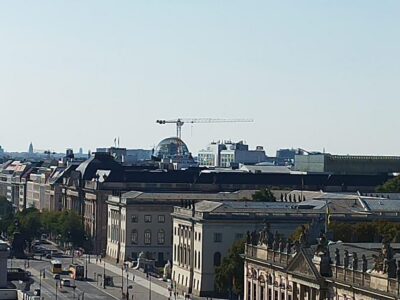
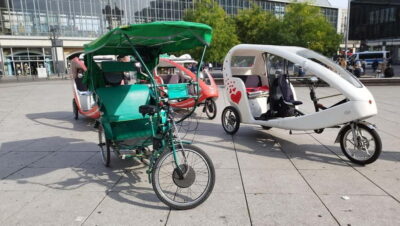
Berlin City Sightseeing Tours, compared.
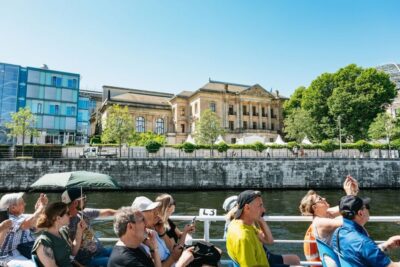 ★ 4.31-Hour City Tour by Boat with Guaranteed SeatingFrom $2516,993 reviews
 ★ 5.0Discover Berlin Half-Day Walking TourFrom $249,624 reviews
 ★ 4.9Discover Berlin Walking TourFrom $235,998 reviews
 ★ 4.1City Sightseeing Hop-On Hop-Off Bus TourFrom $254,233 reviews
 ★ 4.3Hop-On Hop-Off Sightseeing Bus with Boat OptionsFrom $304,012 reviews
 ★ 4.41-Hour City Sightseeing CruiseFrom $252,210 reviews
 ★ 4.9Sightseeing Tour in Classic Volkswagen T1 Samba BusFrom $51993 reviews
 ★ 3.0City Sightseeing Berlin Hop-On Hop-Off Bus Tour981 reviews
Browse the lists this tour appears in