
Tour review · BERLIN WORLD WAR II & THIRD REICH TOURS
Hitler’s Germany: Berlin During the Third Reich & WWII
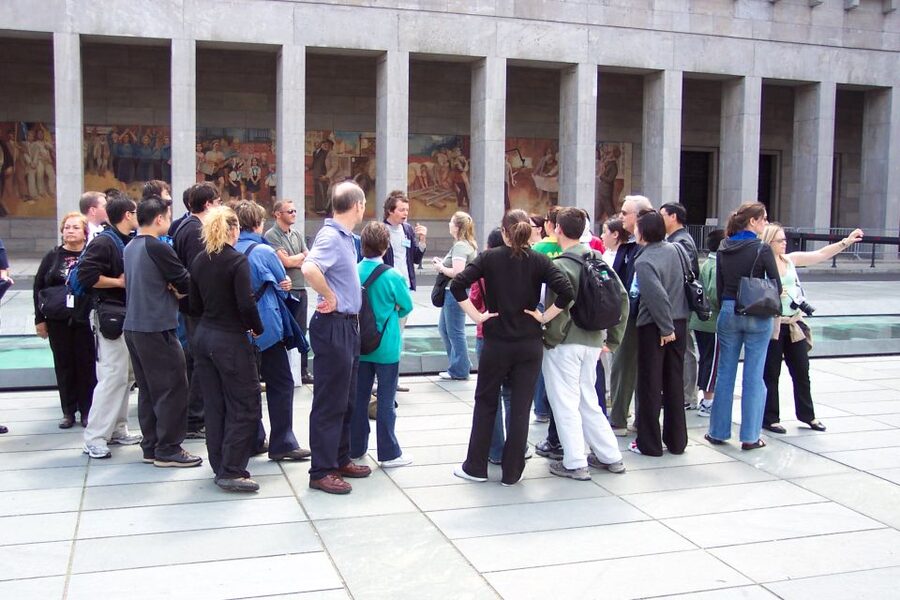
Berlin’s Nazi history is written in stone and street corners. This 4-hour walk links the Jewish Quarter, the Topography of Terror area, and the Reichstag into one clear, guided story. I especially like the native-English guides and the way you move from key sites without getting lost in dates. One thing to consider: this is a heavy topic with lots of outdoor time, and the tour does not include entering buildings.
You start with the Nazis targeting Berlin’s nearby Jewish district, then you zip a short metro ride to the WWII-battered Anhalter Bahnhof area. From there, you walk past the power center of the regime, including the Luftwaffe headquarters associated with Hermann Göring, the Gestapo and SS zones now connected with Topography of Terror, and major memorials in the Tiergarten area. Expect expert, passionate storytelling from guides such as Rebecca, Glen, Jonathan N, Emma, and Amelie, often with humor and good pacing, but you should come prepared for uncomfortable facts.
Key Highlights That Make This Tour Worth Your Time
- Expert, passionate guides with native-level English who keep even tough material moving at a good pace
- A tight route that connects Anhalter Bahnhof, the Nazi government core, and the Reichstag area in one session
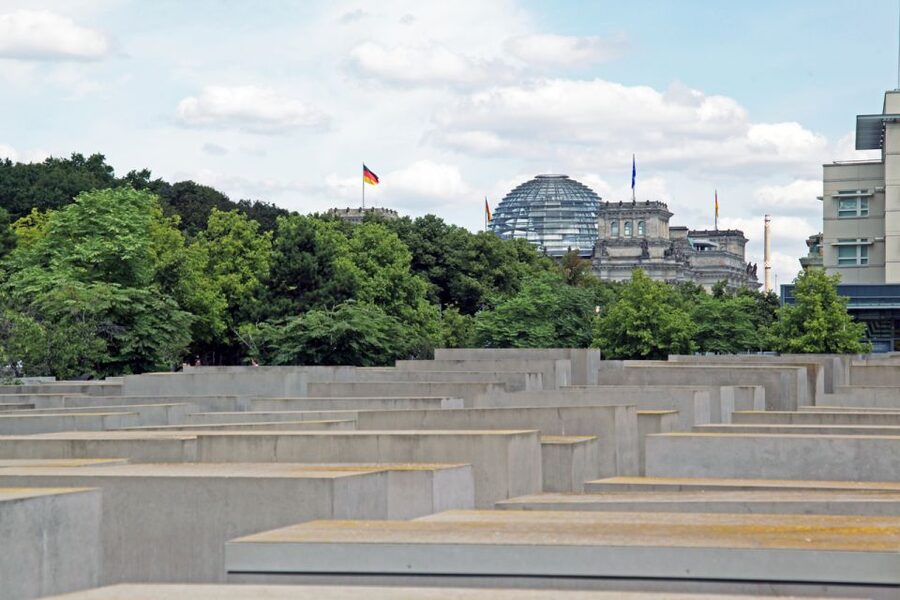
- Hitler’s bunker site and the Reichstag end-point, tied to the Battle of Berlin story
- Topography of Terror stop and museum break for context around Gestapo and SS headquarters
- Memorial stops for the Sinti and Roma victims, plus 1933 arrests of 96 politicians
- A Jewish Quarter segment focused on life, persecution, and memory, not just “events on a timeline”
More carefully guided routes through Berlin’s wartime history
- Berlin: Third Reich and Cold War 2 Hour Walking Tour★ 4.9 · 6,830 reviews
- Berlin’s Best: 2 Hour Walking Tour Third Reich and the Cold War★ 5.0 · 5,486 reviews
- Third Reich Berlin: Hitler and WWII Walking Tour★ 5.0 · 3,301 reviews
- Berlin: Third Reich, Hitler, and WWII Walking Tour★ 4.9 · 1,133 reviews
Entering Berlin’s Third Reich Story at Street Level

Berlin can be oddly gentle on the surface. Clean sidewalks, modern trams, and coffee shops right next to places where the Nazi state coordinated terror. This is what makes the experience so useful: you don’t just see famous names, you see how the regime’s decisions played out in real parts of the city.
I like that the guiding style stays grounded. You get a guided overview first, then you physically move through Berlin’s former political and security zones. That combo helps you connect propaganda, persecution, and wartime collapse without the lecture feeling detached.
At the same time, you do need the right mindset. This is not the kind of tour where you can casually “check off WWII.” It’s built around suffering and state violence, and the route spends time on the mechanisms behind the Holocaust, including the T4 euthanasia program.
The Route at a Glance: Jewish Quarter, WWII Stations, Nazi Power Core, Reichstag
The flow matters here, and the tour is designed to move you step by step across the Nazi timeline. You begin in central Berlin with an overview of how the Nazis devastated the nearby Jewish district. Then you take a short metro ride to Anhalter Bahnhof, a huge station that was destroyed in WWII, before shifting back to walking through the Nazi government district.
After that, the route tightens around the regime’s machinery. You head toward the former Luftwaffe headquarters, connected to Hermann Göring, and you continue past the former Gestapo and SS headquarters area, now tied to the Topography of Terror site. A museum break sits inside that sequence so the story has somewhere solid to land before you move on.
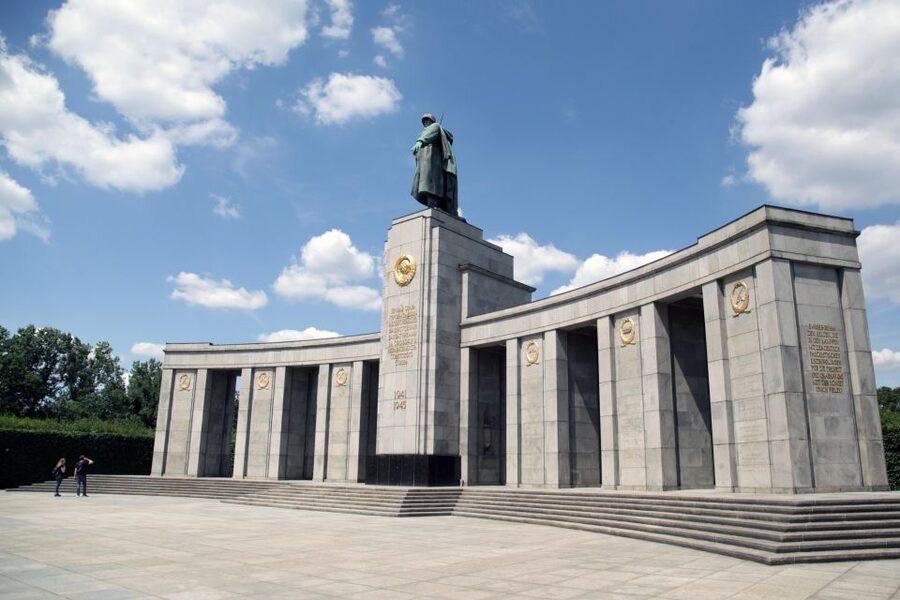
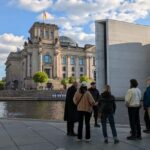
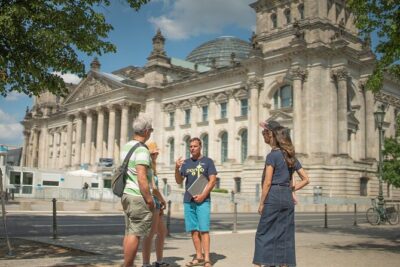
You then move toward Tiergarten, where memorial stops help you anchor what happened to people who were targeted. The tour finishes in front of the Reichstag, where your guide explains the Nazi vision for Berlin as Germania and the final days of the regime, including the Battle of Berlin and Hitler’s suicide nearby.
The Start: How the Nazis Decimated Berlin’s Jewish District
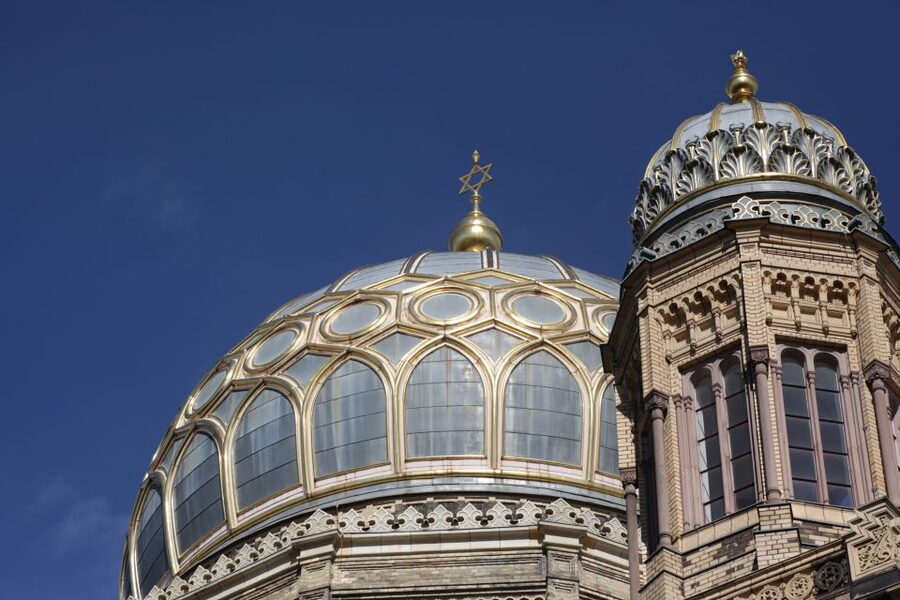
This tour begins with context, and that sets the tone in the right way. You get an overview of the Nazi decimation of the nearby Jewish district, which gives you a framework for everything you’ll see later. Instead of treating Jewish history as an appendix at the end of WWII, the tour places it at the center of the narrative.
I like how this framing supports your own reading of the city. When you later reach memorials and former security zones, it’s easier to remember that the regime wasn’t abstract. It was policies, laws, arrests, and everyday life being crushed.
If you’re the type of visitor who usually asks, “Why is this place important?” you’ll appreciate the focus here. The guide gives you reasons tied to the city, then you get to walk the streets where those reasons mattered.
Anhalter Bahnhof: WWII Damage You Can Still Sense
A short metro ride brings you to the Anhalter Bahnhof area, once a major train station and later destroyed in WWII. Even when buildings change, the idea of a city under attack stays visible through what was destroyed, what was rebuilt, and what survived in some form.
This stop works for two reasons. First, it places the WWII story into infrastructure and movement, not only battlefields. Second, it acts like a hinge between the pre-war political world and the wartime collapse you’ll reach near the end at the Reichstag.
You also get a practical benefit. That metro transfer breaks up the walking just enough to keep the whole 4 hours comfortable, even though you will still be outside for most of it.
- Berlin: Reichstag, Dome and Government District Guided Tour
★ 4.7 · 18,288 reviews - Berlin: 1-Hour City Tour by Boat with Guaranteed Seating
★ 4.3 · 16,993 reviews - Berlin: Boat Tour Along the River Spree
★ 4.4 · 11,252 reviews - Discover Berlin Half-Day Walking Tour
★ 5.0 · 9,624 reviews - Berlin: Hop-on Hop-off Bus Tour with Live Commentary
★ 4.3 · 8,579 reviews
Luftwaffe HQ and the Nazi Government District on Foot
The walking portion is where the tour becomes really “Berlin.” You move through the former Nazi government district and head toward the colossal former Luftwaffe headquarters, the German air force, with Hermann Göring tied to that space. The former air force headquarters is described as one of the best surviving examples of Nazi architecture.
That matters because you’re not only learning about policies. You’re seeing the physical style of power. When you look at scale and presence, you understand why authoritarian regimes love architecture: it tells people who controls the space and who does the ordering.
Along the way, the tour also helps you recognize other former Nazi institutions you may see from the street, including the former Nazi Air Ministry, Gestapo HQ, and Propaganda Ministry. Even without entering buildings, walking past these sites gives you that “I get it now” feeling, because your eyes start connecting the dots.
Gestapo and SS Headquarters, Topography of Terror, and a Museum Break
Next comes the area tied to the Gestapo and the SS headquarters. Today, that zone is associated with the Topography of Terror museum site, and you get a break there.
Even with the tour’s rule that you do not enter buildings during the tour, the museum break is still valuable. It gives your brain a pause point, so you can absorb what you just heard while you stand in a place that’s specifically dedicated to documenting Nazi terror.
This is also one of the key sections for serious learning. Your guide connects the regime’s secret police and enforcement systems to the wider history, including the use of propaganda and major atrocities.
I like that it’s not just “scary places, scary facts.” It’s framed as systems. That makes the story easier to understand and harder to dismiss.
Goebbels, Propaganda, and T4: The Dark Mechanics Explained Clearly
This tour doesn’t treat propaganda or violence as side topics. You move through Joseph Goebbels’ use of propaganda and then into the ‘T4’ euthanasia program, before the story reaches the Holocaust.
If you’ve ever felt that WWII tours sometimes sprint through the timeline too fast, this section is a good counterbalance. It slows down the “how it worked” part, which is crucial to understanding how genocide was enabled.
Be ready for emotion. The subject matter is hard, and the guide’s job is to explain it without sugarcoating. That’s why pacing matters, and why having a guide who can keep your attention becomes more than a nicety.
Guides like Glen and Jonathan N are often praised for exactly that: keeping you engaged while staying respectful, and answering questions without hand-waving.
Memorial Stops in and Around the Tiergarten Area
As you head toward Berlin’s largest park, the Tiergarten, you visit memorials that force the story to stay human. This is where the tour shifts from “the regime did X” to “people were destroyed and remembrance matters.”
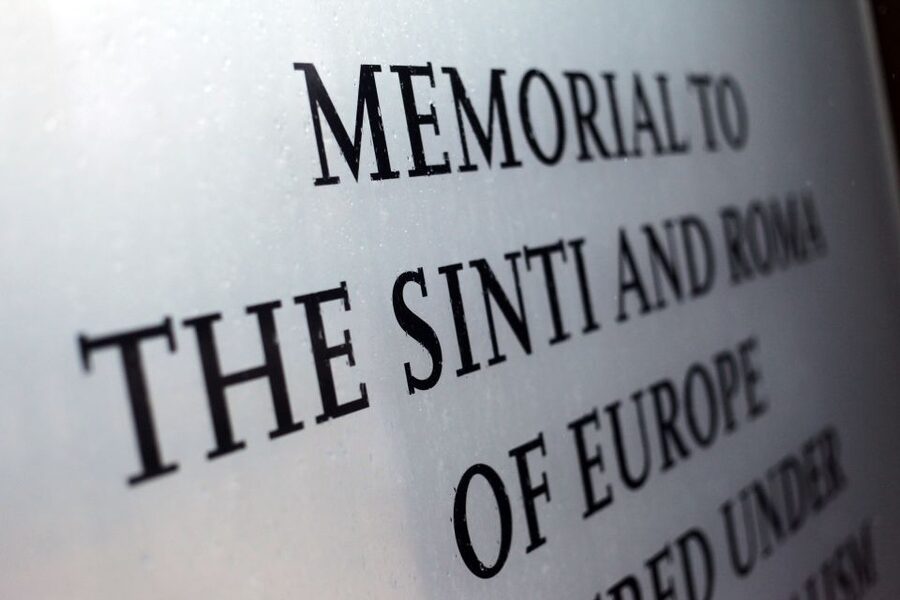
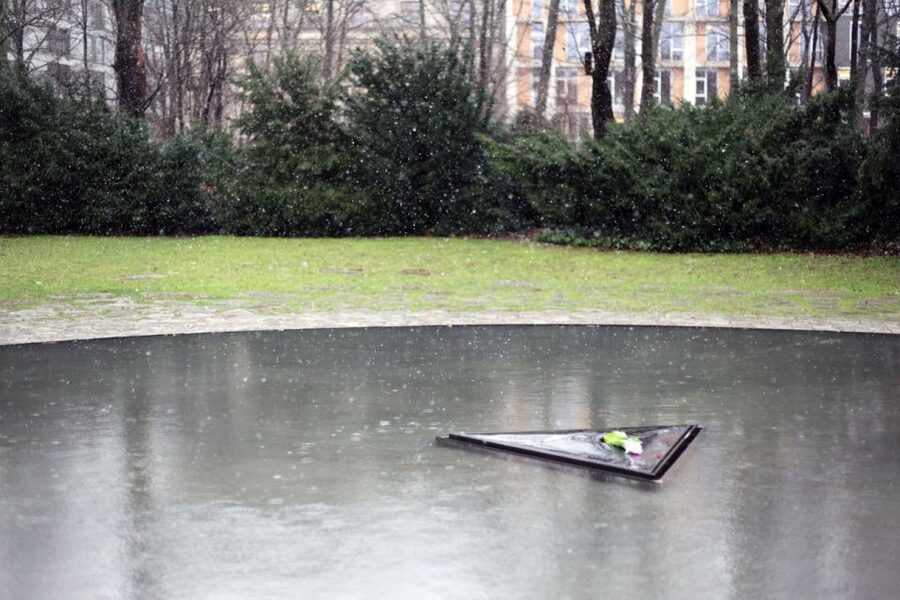
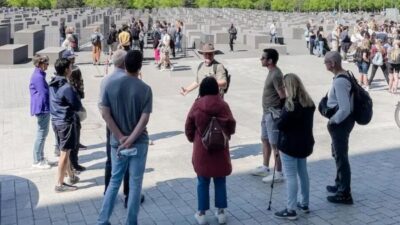
Two memorial moments stand out in the tour plan. You stop at the Memorial to the Sinti and Roma Victims of National Socialism. You also visit the memorial for 96 politicians arrested by the Nazis as they seized power in 1933.
Those two stops work well together. The Sinti and Roma memorial keeps the focus on a targeted group whose suffering is not always front and center on standard WWII tours. The memorial for the 96 politicians shows how the regime’s takeover included arrests and intimidation of political opponents early on.
Then, the Jewish Quarter segment reinforces the other half of memory: life, persecution, and how communities are remembered. It’s a reminder that history is not just about dates and buildings. It’s about communities forced to survive under a deliberate assault.
Hitler’s Bunker Site, the Reichstag, and the Battle of Berlin Finish
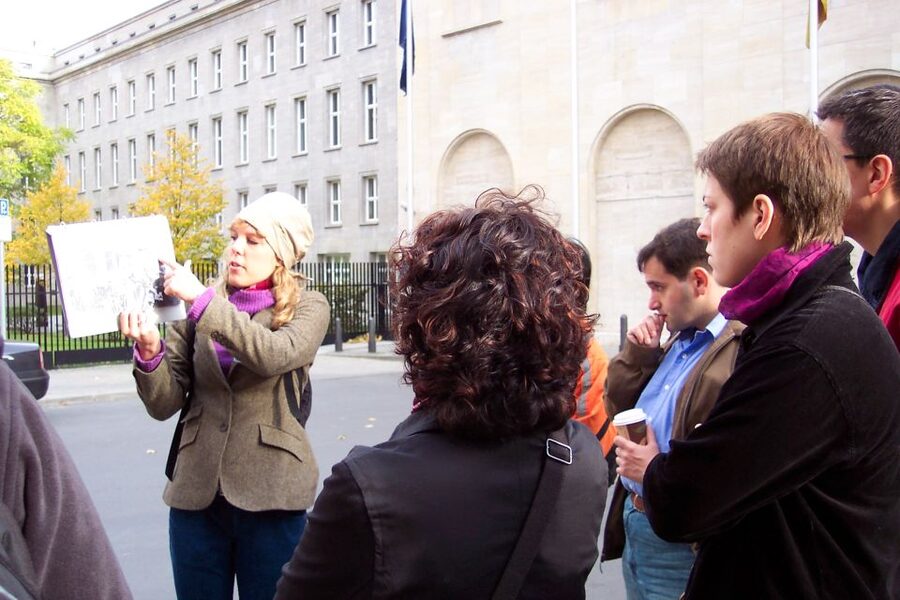
The ending is designed like a payoff. You finish in front of the Reichstag, and your guide ties together multiple strands of the Nazi story.
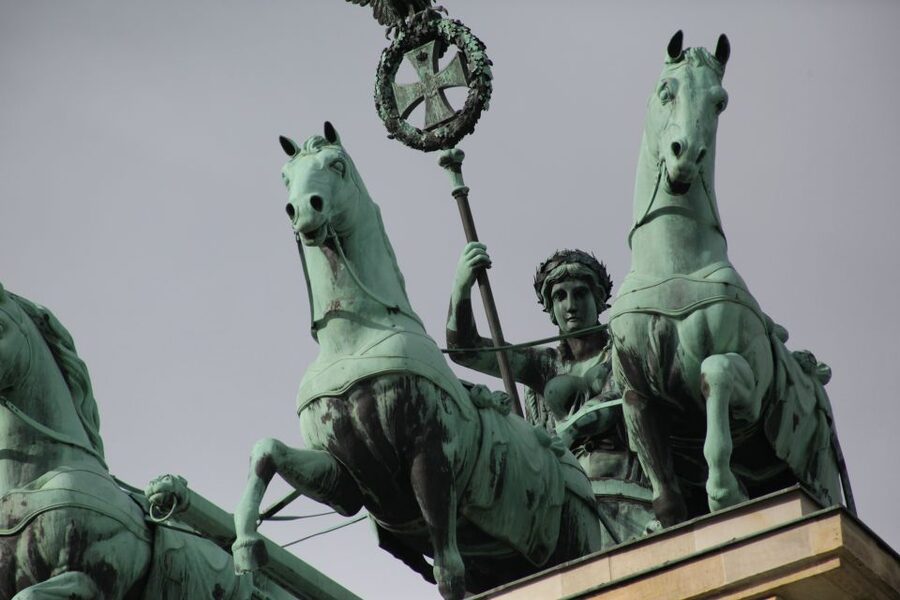
First, you hear about Hitler and Albert Speer’s plan to completely redesign Berlin as Germania, positioned as the capital of an empire of the world. That plan was not just a vision; it was political messaging in stone and steel terms.
Then comes the wartime ending you can’t un-know once you hear it: the Battle of Berlin, including how Soviet soldiers assaulted the Reichstag under anti-aircraft fire. Your guide also explains that Hitler was committing suicide not even a mile away.
This is where the Hitler’s bunker site stop matters. Even if you’re not seeing a dramatic “bunker entrance,” you’re seeing the geography of collapse. The tour makes that distance feel real, and it helps you understand how quickly the grand plan fell apart once the city was under assault.
It’s heavy material, but the structure of the ending helps. You leave with a clear mental map of how ideology, architecture, and military reality collided.
Price, Timing, and What a 4-Hour Walk Really Costs You
The tour is priced at $23 per person for a 4-hour guided experience. For Berlin, that’s strong value when you consider what you’re getting: an expert guide with native-level English, a route that covers several major sites, and a guided narrative that connects them.
Here’s the catch to factor into your budget: you need a public transport ticket for the tour. The information specifically notes an AB ticket single ticket if needed. So think of the headline price as the guide cost, then add transit.
Also, while the tour includes help with skipping ticket lines, it’s still not a “go inside everything” kind of experience. The tour explicitly says no buildings are entered. That limitation keeps the tour flexible and outdoor-focused, but it also means you should not expect full interior access to every stop.
Timing is another practical value point. Four hours is long enough to feel like you learned a lot, but short enough to fit into a Berlin week without burning your whole day. And because it runs in all weather and on public holidays, you’re not forced to wait for perfect conditions to get the story.
One small practical tip based on how guides work on this route: bring comfortable shoes and something for rain. Even when guides can’t change the weather, they often keep groups moving smoothly. If you show up ready, the experience stays enjoyable even when Berlin is doing its usual drizzle impersonation.
Who This Tour Suits Best, and Who Might Want to Choose Another Format
This is a great fit if you want a structured, on-foot understanding of Hitler-era Berlin. You’ll like it if you care about how the regime used government buildings, propaganda, policing, and public space.
It also suits visitors who don’t want to do the heavy planning themselves. The route connects key sites in a way that’s hard to recreate on your own without spending hours figuring out the best order.
You might consider something else if your main goal is interior access to major buildings. Because the tour does not enter buildings, it leans toward outdoor viewing and guided interpretation rather than deep inside-the-structure experiences.
Finally, if you travel with teens or want to get the kids listening, the guide talent matters. Many guides have been described as funny and engaging, which helps. Just expect the content itself to be serious.
Should You Book Hitler’s Germany: Berlin During the Third Reich & WWII?
I’d book this if you want a strong Berlin backbone for understanding the Third Reich and WWII. The value comes from the guide quality, the way the route links major sites, and the memorial stops that keep the story grounded in human consequences.
I wouldn’t book it if you’re looking for a light, casual sightseeing day. This is an emotionally heavy tour, built around persecution and genocide. Also note the tour’s boundaries: no buildings are entered, so your expectations should match outdoor viewing plus a museum break around the Topography of Terror area.
If you want one half-day that truly makes Berlin’s WWII and Nazi-era geography make sense, this is a smart choice.
FAQ
How long is the Hitler’s Germany tour in Berlin?
It lasts 4 hours.
What is the price per person?
The price is $23 per person.
Do you enter buildings on the tour?
No. The tour does not enter any buildings.
Is a public transport ticket required?
Yes, a public transport ticket is needed on this tour (a single AB ticket if needed).
What sites does the tour cover?
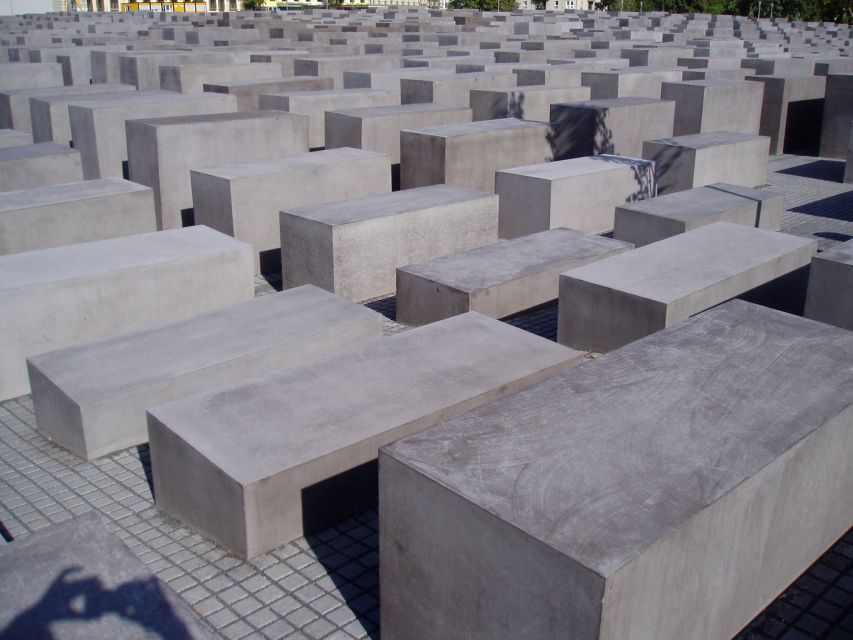
You see the site of Hitler’s bunker, the Reichstag, and the Holocaust Memorial. You also cover Anhalter Bahnhof (as a stop near the destroyed station area), the former Nazi government district including the Luftwaffe headquarters area, and the Gestapo and SS headquarters area connected with Topography of Terror, plus memorials for the Sinti and Roma victims and for 96 politicians arrested in 1933.
What is included in the price?
A 4-hour guided tour with an expert guide (native-level English).
Is the tour offered in English?
Yes, the tour guide languages include English and German.
Can I book a private group?
Yes, private group options are available.
Does it run in bad weather?
Yes. The tour runs in all weather, including public holidays.
Is there free cancellation?
Yes, you can cancel up to 24 hours in advance for a full refund.
More World War II History in Berlin


More Tour Reviews in Berlin




Recently added around Berlin


Berlin World War II & Third Reich Tours, compared.
 ★ 4.9Third Reich and Cold War 2 Hour Walking TourFrom $236,830 reviews
 ★ 5.0Berlin’s Best: 2 Hour Walking Tour Third Reich and the Cold WarFrom $245,486 reviews
 ★ 5.0Third Reich Berlin: Hitler and WWII Walking TourFrom $243,301 reviews
 ★ 4.9Third Reich, Hitler, and WWII Walking TourFrom $201,133 reviews
 ★ 5.0Berlin Third Reich Sites: Half-Day Walking TourFrom $21835 reviews
 ★ 4.7Guided Bike Tour of the Berlin Wall and Third ReichFrom $40499 reviews
 ★ 5.0Private Walking Tour Berlin Third Reich Hitler and World War IIFrom $192360 reviews
 ★ 4.9Hitler’s Berlin The Rise & Fall Guided Walking TourFrom $47239 reviews
Browse the lists this tour appears in