
Tour review · BERLIN PRIVATE TOURS
Private Sachsenhausen Concentration Camp tour with train
Sachsenhausen hits harder than you expect. This private, English-speaking tour from Berlin uses hotel pickup and a train ride to explain how the camp was built and run, with time to ask questions. I love the licensed guide trained by the memorial authority, and I love starting in Oranienburg, where Nazi exploitation was tied to everyday local industry. One consideration: it is a long, serious day with lots of walking and limited places to buy food on the spot.
You’ll also appreciate the practical side. You can pick from a range of departure times from Berlin, and you get hotel pickup plus drop-off, which makes the day feel controlled instead of chaotic. It’s a true private group setup, so the pace and questions can be shaped around you, not a fixed group script.
And the site details are the point. You’ll learn how the Nazis forced prisoners to build the camp north of Berlin during the 1936 Olympics era, how hundreds of thousands were imprisoned over time, and how later Soviet authorities used the camp as well. Even the layout gets explained, including the roll-call area and the significance of Station Z, where killing was industrialized.
Key highlights to know before you go
- Private, memorial-trained guiding so you’re not stuck with generic talking points.
- Oranienburg first, connecting the camp to local businesses and forced labor.
- A full guided walk of Sachsenhausen grounds, including SS brutality and daily prisoner life.
- Train-focused logistics from Berlin to Oranienburg to keep things efficient.
- Respectful pacing that gives you time to look, ask, and process (not just rush through).
- Serious emotional content, so you’ll want good shoes, water, and time in your day for reflection.
Other Berlin days with the guide and route to yourself
- Berlin: Private Reichstag and Glass Dome Tour★ 4.8 · 2,226 reviews
- Berlin Private Complete History All Day Walking Tour★ 5.0 · 474 reviews
- Private Walking Tour Berlin Third Reich Hitler and World War II★ 5.0 · 360 reviews
- Private Berlin: Iconic Sights and Hidden Gems Walking Tour★ 5.0 · 292 reviews
Entering Sachsenhausen: what makes it different from other WWII stops
Sachsenhausen is one of those Holocaust and Nazi-persecution sites that can feel especially chilling because it’s so practical in its cruelty. You’re not just looking at exhibits. You’re being shown a system: how prisoners were categorized, processed, forced into labor, and controlled day after day.
A big part of what you’ll learn is the camp’s role as part of Nazi power. During the 1936 Olympics period, forced laborers were used to construct the camp just north of Berlin, tied to the regime’s political enemies. Over the next decade, the camp held a huge number of people, and after Germany’s defeat, Soviet forces used Sachsenhausen too. That means the place carries more than one layer of imprisonment and persecution, and the guiding helps you keep the timeline clear without trying to soften anything.
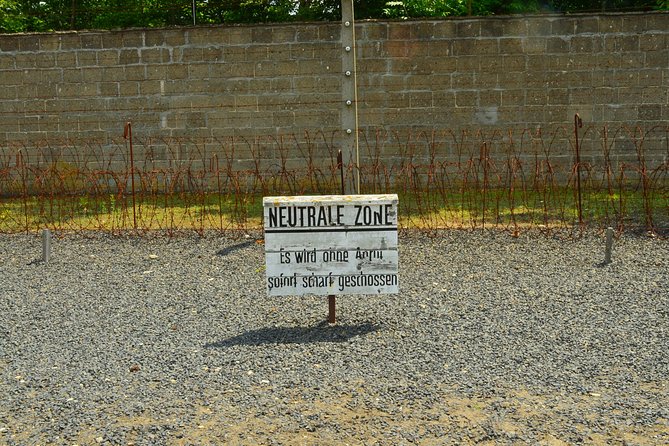
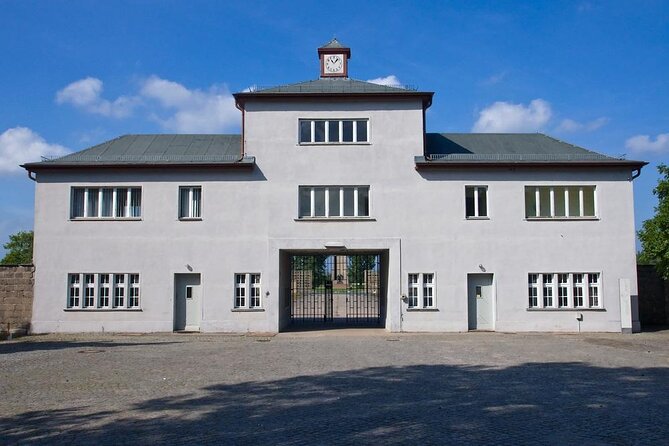
You’ll also hear how the camp’s physical design communicates Nazi intent. Expect discussion of features like the triangular layout, Tower A as the only entrance, and Station Z as the exit point associated with industrial killing. Guides also tend to connect those structural details to what prisoners experienced, including harsh roll-call routines and overcrowded barracks built for fewer people than what was shoved inside.
If you like history explained in a way that stays human, this tour is built for that. The best guided moments are usually the ones where a guide connects the site design to actual prisoner life, including survivor testimony themes you may hear described, like how community mattered for survival and how dehumanization could feel like being trapped like an insect.
Berlin to Oranienburg by train: why the ride matters
The train component isn’t a gimmick. It helps you start the day as Berliners would, and it sets up the bigger theme that Nazi control didn’t sit in a vacuum.
You’ll start with hotel pickup and then head to Oranienburg by train. Many guides also use that ride and the walking time to do early framing. That matters because when you arrive at the memorial, you’re not meeting it cold. You already understand what Sachsenhausen was meant to do and why Oranienburg is tied to it.
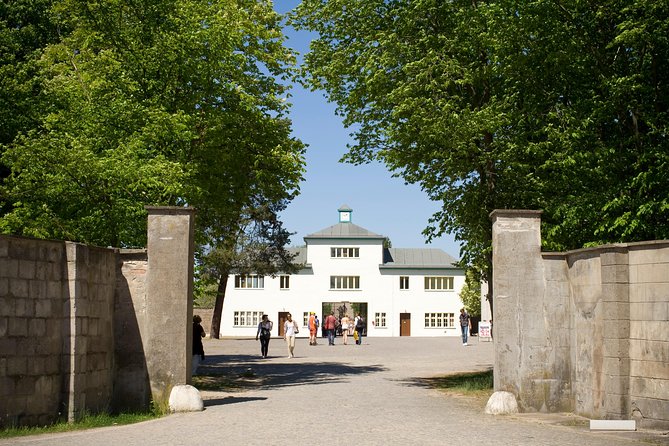
In Oranienburg, the tour shifts from the camp itself to the surrounding town. You’ll walk through Oranienburg because it was deeply intertwined with the Nazi regime, not just by proximity but through the way local businesses took part in forced labor exploitation. Factories, including those linked to war production, relied on prisoners for slave labor. Some residents were directly involved, and others may have turned a blind eye in order to keep benefiting from the economic system.
That town walk is short, but it can stick with you. It adds weight to the question you’ll naturally carry into the memorial: how did ordinary life keep moving while atrocity happened nearby?
The Oranienburg town walk: what to watch for on the ground
This is the part people sometimes skip mentally, because it sounds like a prelude. Don’t. It’s one of the most important segments for understanding how persecution was enabled.
You’re looking at a landscape of complicity and awareness, even if today it can look normal at street level. The guiding focuses on how Nazi exploitation reached into local industry and daily routines, including the uncomfortable reality that suffering wasn’t hidden behind a wall forever. Some townspeople participated. Others benefited while avoiding confrontation.
If your brain needs something to do with the discomfort, use the time actively. Ask your guide how forced labor was organized in the region and how the local economy connected to prisoner labor. Guides on this tour have a track record of answering questions clearly and keeping the tone respectful, not sensational.
One practical note: expect a walk. Some routes include about a 20 to 25 minute walk from Oranienburg station to the memorial area. That may be fine for you if you can handle uneven pavement, but if you’re easily worn down, this early walking is worth factoring into your energy plan.
Sachsenhausen Memorial and Museum: learning the camp’s purpose and timeline
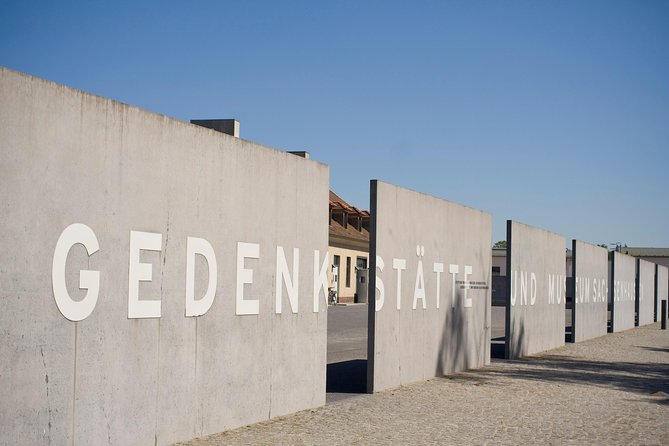
The heart of the day is the memorial and museum time with a guide. This is where you’ll get the context you need to interpret what you’re seeing on the grounds.
Expect a guided segment that includes admission to the Memorial and Museum Sachsenhausen. This is also where the camp’s timeline gets clarified: the Nazi-era purpose tied to political enemies, the scale of imprisonment in the decades that followed, and the later Soviet use of the camp to imprison war criminals, including Nazis and collaborators.
A strong guiding style makes a difference here. One of the most praised aspects of this tour is how guides handle the subject with reverence while still giving you a clear picture of how the camp worked. You should come away understanding the system, not just absorbing fragments.
This part is also where questions become especially valuable. If you want to know how Nazi propaganda shaped public narratives, how political prisoners were treated differently by category, or how the postwar use of the camp affects how we remember it, this is the time to ask. Private guiding means you’re not waiting your turn or getting cut off by a crowd.
More responsibly guided visits to Sachsenhausen Memorial
- Berlin: Sachsenhausen Concentration Camp Tour in English
★ 5.0 · 5,711 reviews - Berlin: Sachsenhausen Concentration Camp Memorial Tour
★ 4.7 · 3,716 reviews - Sachsenhausen Concentration Camp Bus Tour in English from Berlin
★ 5.0 · 1,962 reviews - Berlin: Sachsenhausen Concentration Camp Tour in English
★ 4.8 · 1,889 reviews - Sachsenhausen Concentration Camp Memorial Tour (Max. 15 Guests)
★ 5.0 · 1,516 reviews
Walking the grounds with an expert: why the site layout hits
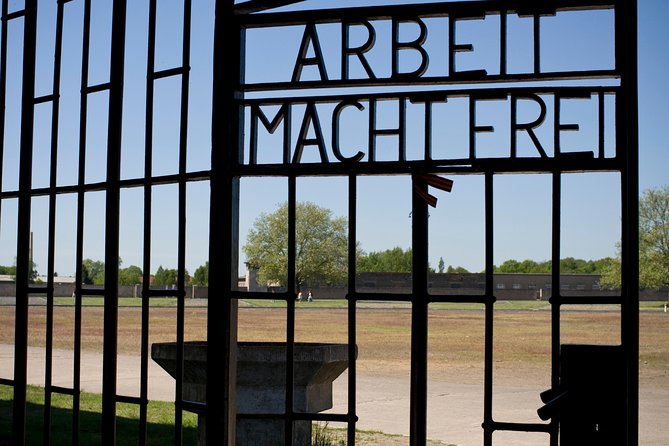
After the museum segment, you’ll move through the haunting grounds with your guide. This part is typically longer on feeling than on minutes, because you’re physically in the place where daily life under the SS was organized.
During this guided walk, you’ll hear stories of prisoner suffering and the way SS guards inflicted brutality. The guiding also keeps an eye on resilience and remembrance, including how the memorial preserves the memory of those who were imprisoned and killed. It matters that the tour frames remembrance as an ongoing obligation, not a checkbox.
What makes this walk powerful is the connection between physical space and human experience. When you’re guided through areas like the roll-call zone and the pathways tied to processing and punishment, it becomes harder to treat the camp like a historical diagram.
If you’ve visited other major Holocaust sites, you may notice a different emphasis here. The guiding tends to focus on the horror that was planned and engineered, not only on later reflection. That can feel heavier, but it helps you understand the camp as a mechanism, with people forced to participate in its daily grind, whether as guards, administrators, or coerced laborers.
Guides also often add survivor context to keep the facts from floating away. Some guides share testimony themes that can sound simple but land hard, like the idea that survival required more than raw willpower, because solidarity and hope mattered in a place built to destroy both.
Private by-train logistics: pacing, walking, and what to pack
This is a roughly 6-hour day, and it runs from Berlin with hotel pickup and drop-off. Departure times vary, which is helpful if you’re juggling museum days or a schedule that’s already packed.
The biggest practical thing to plan for is walking. You may cover a lot of steps during the day, and parts of the route can include uneven pavement. One reason people rate this tour so highly is that guides often manage pacing well, letting you slow down where you need to, instead of making you feel like you’re on a deadline.
In terms of how you get to the camp, expect a train to Oranienburg and then a walk to the memorial area. Depending on your group and your guide’s suggestions, you might also see the day simplified with a short taxi option to reduce walking distance, especially if someone is struggling with mobility or stamina. The tour itself, however, notes that moderate fitness is needed and it isn’t recommended for people with limited mobility.
What should you bring?
- Comfortable walking shoes you trust on uneven ground
- Water, since you may not have easy access to refreshments during the day
- Food you can carry, because food and drinks are not included
And mentally, plan for the emotional weight. This is not a light day trip. The memorial is designed for learning and remembrance, so you should give yourself a buffer before and after.
Price and value: $338.15 for a private, guided remembrance day
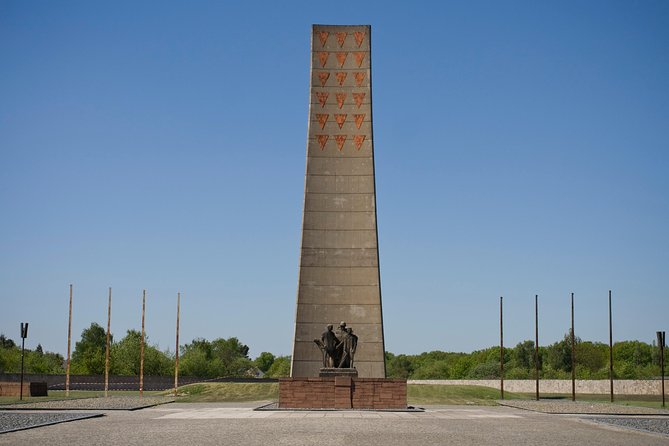
At $338.15 per person for a roughly 6-hour private tour, the price is not small. But the value is in what you get, not in flashy extras.
You’re paying for:
- A licensed guide trained by the memorial authority
- Hotel pickup and drop-off
- English-language guiding
- Admission included for the Memorial and Museum Sachsenhausen segment
- A private setup, meaning it’s just your group
That mix matters, because for a serious subject like this, the difference between a hurried explanation and a careful one is huge. The tour’s best reviews emphasize guides who are punctual, respectful, and able to answer questions, sometimes even tailoring pacing to your group’s needs. People repeatedly call out that the day feels designed around them, which is exactly what you want in a place that demands attention.
That said, there’s one reality check. This is a train-based day trip, and the tour structure focuses on public transit, not a chauffeured vehicle. If you’re expecting a driver to do all transfers, you might feel let down. So before you go, make sure you understand what transit is included versus what you may need to cover yourself, based on your personal ticket setup.
Also, because the memorial experience takes time, “rushed” is the enemy. If your guide has a lot to cover, ask for what you care about most. Private guiding gives you leverage. Use it early.
Who should book this Sachsenhausen tour by train, and who might not
This tour is a strong match if you:
- Want a private day trip with licensed, memorial-trained guiding
- Care about understanding the camp as a system, not only seeing exhibits
- Like being able to ask questions, including on Nazi ideology and the broader context
- Can handle walking and serious emotional material
It may be less suitable if you:
- Have limited mobility or significant walking impairments, since the tour notes it is not recommended for that situation
- Need lots of food and bathroom stops every hour. Food and drinks are not included, and amenities can be limited during the day
If you’re coming with family, pair this with a realistic plan for breaks. Several private-guide reviews highlight flexibility when someone in the group needed route adjustments or taxi help to reduce distance. That’s the benefit of private guiding: less stress, more control, and better timing for your group’s needs.
Should you book this private Sachsenhausen tour from Berlin?
I’d book it if you want a thoughtful, guided experience that connects Sachsenhausen to the Nazi system and the town around it, not just a quick pass through grounds. The train format keeps things efficient while still letting the day feel like a real Berlin area trip. And the standout strength is the quality of guiding, with experts trained by the memorial authority and the kinds of pacing choices that help you process what you see.
Skip it or rethink it if you’re looking for a casual outing, a short visit, or a fully chauffeured day. This is a long, serious memorial day with walking and limited onsite comforts. If you accept that and plan well, it’s the kind of tour that leaves you with clarity, context, and a stronger sense of responsibility after you’re back in Berlin.
FAQ
How long is the Sachsenhausen private tour from Berlin?
It runs about 6 hours in total.
Does the tour include hotel pickup and drop-off?
Yes. Hotel pickup and drop-off are included.
Is this a private tour or a shared group?
It is a private tour/activity, with only your group participating.
Is the tour in English?
Yes, the tour is offered in English.
Are entrance tickets included?
Admission to the Memorial and Museum Sachsenhausen is included. The Oranienburg town stop is listed as admission free, and the Gedenkstatte und Museum Sachsenhausen stop is also listed as admission ticket free.
What about food and drinks?
Food and drinks are not included.
How do you travel from Berlin to Sachsenhausen?
You travel by train to Oranienburg, then continue to Sachsenhausen on foot based on the route for the day.
Is the tour suitable if I have limited mobility?
The tour is described as not recommended for people with limited mobility or walking impairments. It requires moderate physical fitness.
When will I receive confirmation after booking?
You receive confirmation at the time of booking unless you book within 2 days of travel, in which case confirmation is provided within 48 hours subject to availability.
Can I cancel for a refund?
Yes, you can cancel for a full refund up to 24 hours in advance of the experience start time.
More Sachsenhausen Memorial Visits

More Private Berlin Days




More Tour Reviews in Berlin

Recently added around Berlin




Berlin Private Tours, compared.
 ★ 4.8Private Reichstag and Glass Dome TourFrom $2882,226 reviews
 ★ 5.0Berlin Private Complete History All Day Walking TourFrom $253474 reviews
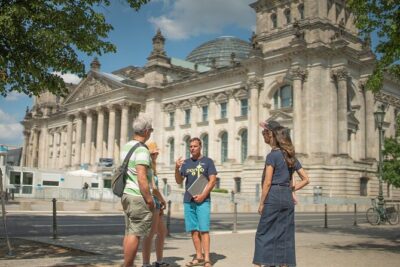 ★ 5.0Private Walking Tour Berlin Third Reich Hitler and World War IIFrom $192360 reviews
 ★ 5.0Private Berlin: Iconic Sights and Hidden Gems Walking TourFrom $192292 reviews
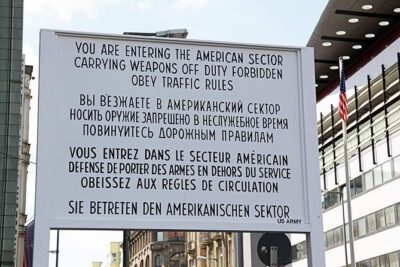 ★ 5.0Berlin Private Half-Day Walking Tour: Discover the German Capital’s HistoryFrom $180244 reviews
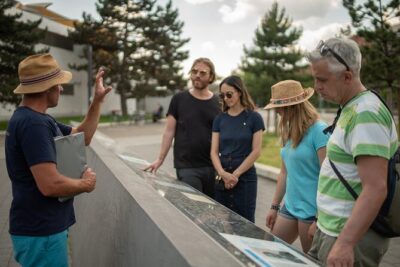 ★ 5.0Private Walking Tour: World War 2 and Cold War Sites in BerlinFrom $192230 reviews
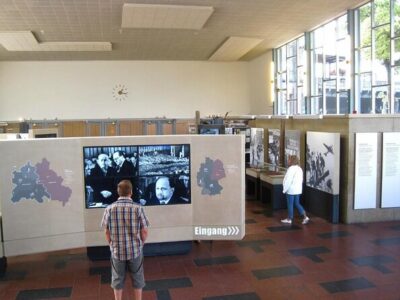 ★ 5.0The History of Berlin: WWII PRIVATE Walking Tour With LocalsFrom $143209 reviews
 ★ 5.0Private Tour: Berlin by Trabant Stretch-LimousineFrom $299186 reviews
Browse the lists this tour appears in