
Tour review · BERLIN COLD WAR & WALL TOURS
Berlin: Historical Sights & Berlin Wall Tour with a Berliner
Berlin’s border story feels close. This small-group walk focuses on Berlin Wall remnants and the human drama around them. I like how it links famous landmarks to what daily life and danger were like at the time.
You’ll also get a Berliner guide sharing personal color, including what it was like growing up in West Berlin for one guide named Carlo. One possible drawback: the tour runs in German, so if you do not speak much German, you may need to rely on shorter exchanges and context.
Key things to know before you go
- Meet at Brandenburger Tor for a fast start, right where Berlin reunification symbolism begins
- Wall viewing without getting lost because the walk is built around meaningful stretches of the former border
- Escape stories with real stakes that make the Cold War feel personal, not textbook
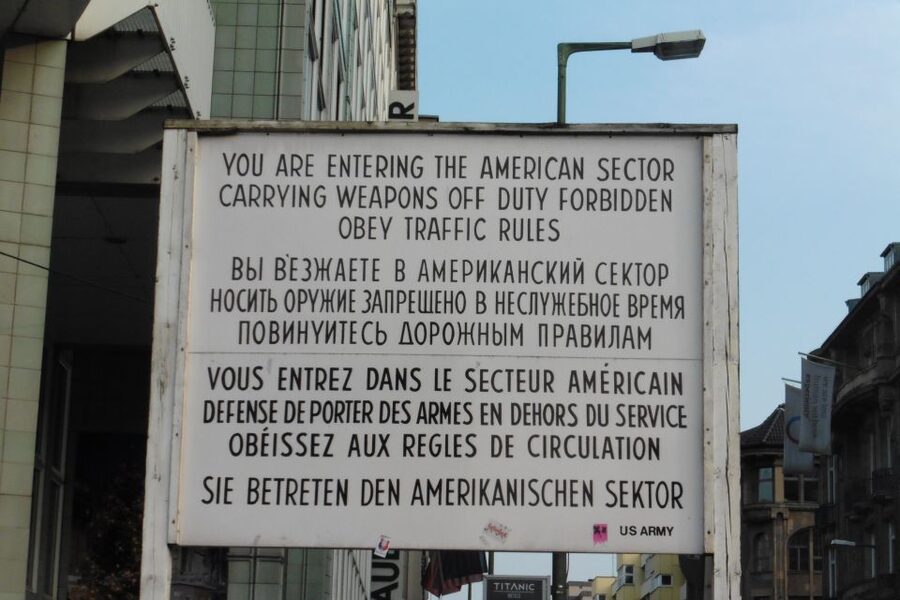
- Checkpoint Charlie with a photo stop plus the tense 1961 incident that almost escalated hard
- A tight group size (up to 10) so questions are actually possible
- A 2-hour format that fits well as a first or mid-day history anchor
Other ways to read the Wall and divided Berlin in the street
- Berlin: Third Reich and Cold War 2 Hour Walking Tour★ 4.9 · 6,830 reviews
- Berlin’s Best: 2 Hour Walking Tour Third Reich and the Cold War★ 5.0 · 5,486 reviews
- Skip-the-Line: Berlin Wall Museum at Checkpoint Charlie★ 4.1 · 2,041 reviews
- Cold War, Berlin Wall, Spies and the East Side Gallery★ 5.0 · 1,024 reviews
Starting by Brandenburger Tor, the walk begins on Europäische Prachtstraße
The tour meet-up is set at the S+U Bhf. Brandenburger Tor subway exit, exit B, in the direction of Pariser Platz and Straße des 17. Juni. This matters because it keeps you from wasting time at the wrong entrance, and you begin while the area still feels like part of the story, not a random sightseeing stop.
The walk is short on paper, two hours, but it is paced for understanding. You are not sprinting between sites, you are moving through a clear narrative line: reunification symbolism, then the border, then the allied checkpoint. If you like history that has a beginning, middle, and ending, this flow is satisfying.
Practical tip: wear shoes you trust. This is an outdoor, all-weather walking tour, so even if the day is windy or damp, you will still be out there. Bring a light layer, and keep your camera ready because the Wall remnants and Checkpoint Charlie are very photogenic.
Brandenburg Gate and the meaning of 28 years of isolation
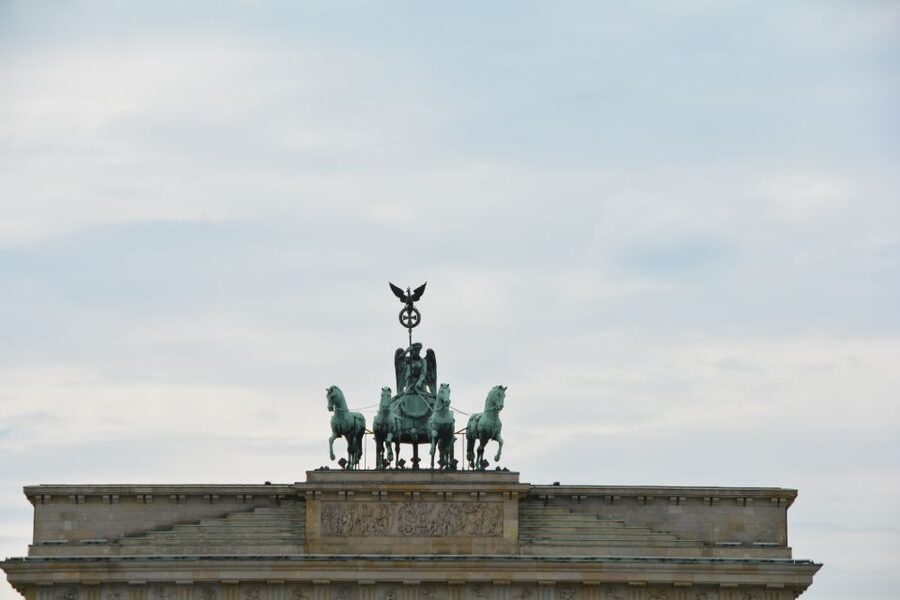
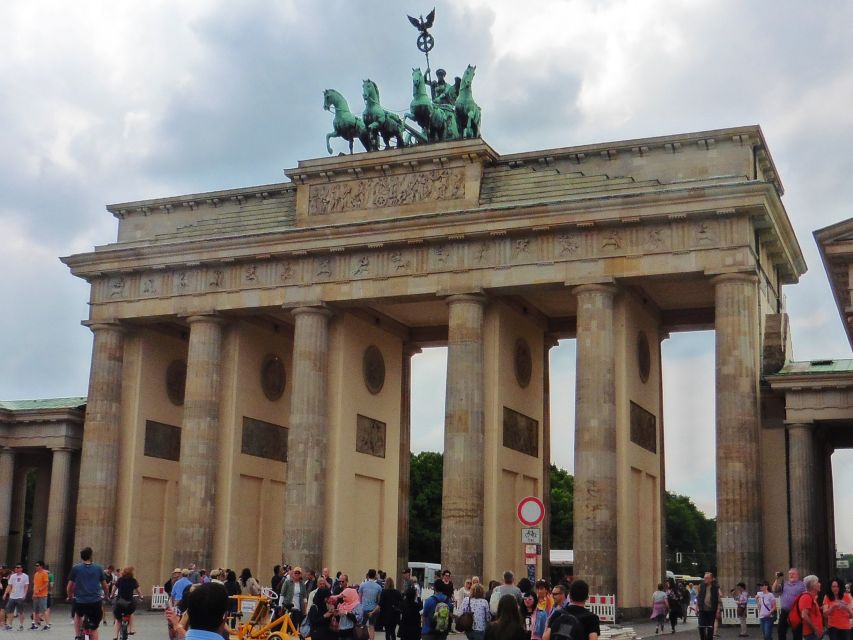
Brandenburg Gate is one of those places that looks instantly familiar, even if you have never visited Berlin before. The guide will focus on why it became so powerful as a national symbol, and why it was effectively separated from the rest of Germany for 28 years.
Standing here, you understand the scale of the Cold War logic. The gate was not just a monument, it was a real-world divider effect. Your guide’s job is to connect the stone and arches to the people living on either side, which is where the tour starts to feel more than sightseeing.
You will also hear why Berlin was called the “front city,” and how the city became known for a kind of freedom that felt both thrilling and risky. That contrast is a big part of why this stop works so well early in the walk. It sets expectations before you move toward the Wall lines, where the tone shifts.
If you only have a limited window in Berlin, I like starting at Brandenburg Gate because it gives you orientation fast. It also helps you later, when you see other major buildings along the route and start linking them to politics, borders, and power.
Along the Berliner Mauerweg, seeing what’s left of the Wall
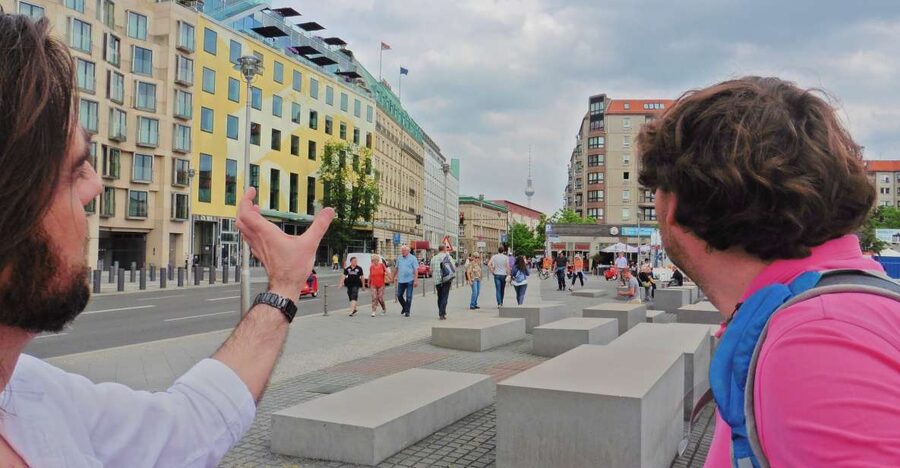
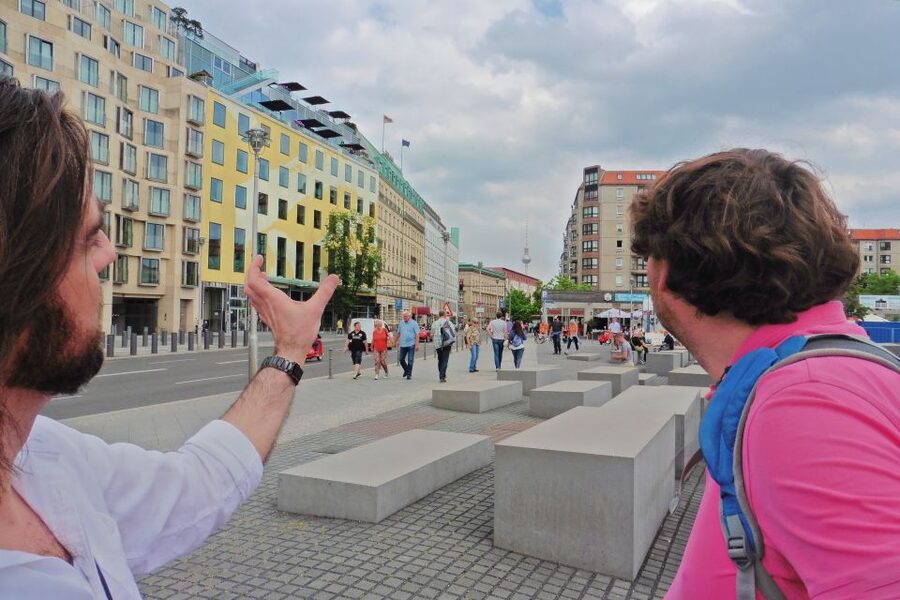
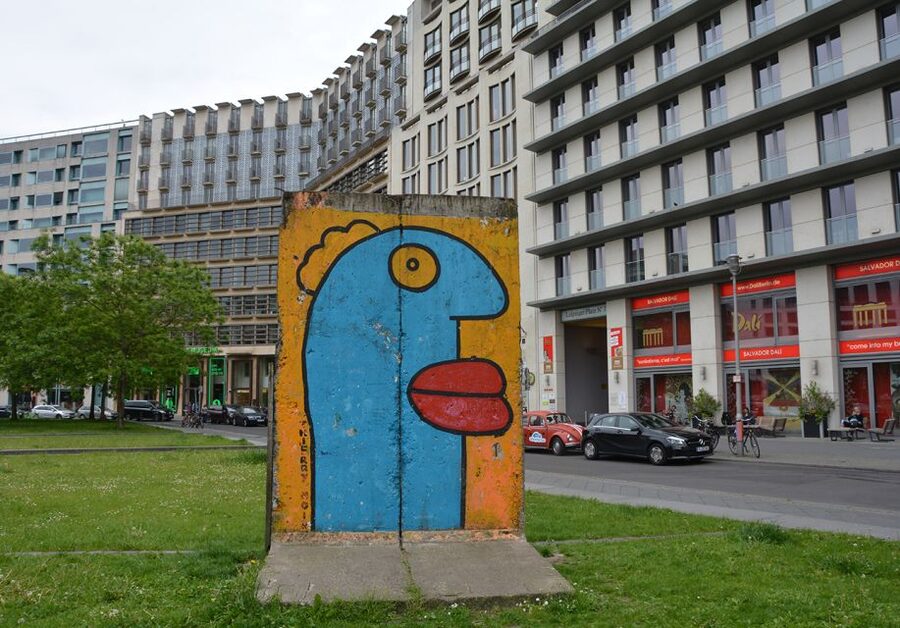
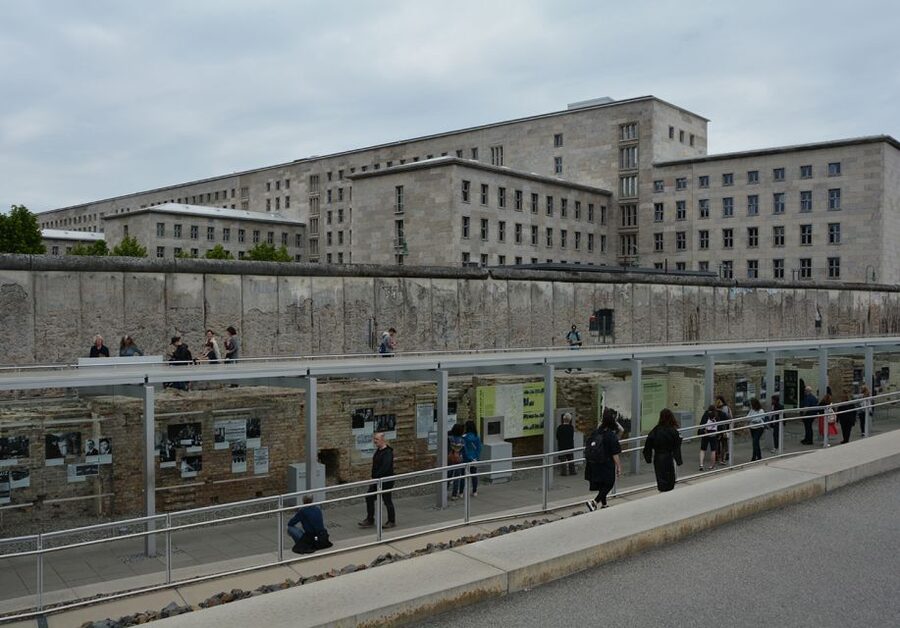
Next you shift from symbolism to physical remnants. You will walk along the former border area and along the Berliner Mauerweg, where the traces of the Wall still shape how the city reads today. It can be easy to treat the Wall as a single dramatic thing, but walking the route helps you see it as a system made of sections, controls, and constant tension.
This is where the tour gets gripping. You will hear stories about escapes from East Berlin during partition, and those stories are not told as distant anecdotes. They are presented as urgent decisions made under surveillance and restrictions, which gives you a clearer sense of what could go wrong, and what courage looked like in everyday terms.
One of the best parts here is the way the guide connects the Wall to Berlin’s layout and movement. The border was not some invisible line. It shaped routes, sight lines, and daily habits, and you start noticing the city in a new way. You also get a stronger appreciation for why the Wall mattered beyond ideology, it mattered to whether someone could cross a street safely.
Possible drawback to keep in mind: if you want a strictly architectural tour, this part may feel more story-driven than stone-driven. The value is in human accounts and the Cold War context, not in technical details of construction.
Reichstag and the Hotel Adlon area, politics near the old frontline
As you continue, the route brings you past major power structures and landmarks that sit close to where the border atmosphere once dominated the city. The Reichstag stop is a natural pivot: you move from the Wall era toward the democratic Germany that rose afterward.
You will also pass the Hotel Adlon Kempinski Berlin area, which adds an interesting contrast. It is one of those places where today feels polished and international, while a short walk away, the city’s past was tense and monitored. That contrast is not just visual, it is a reminder that Berlin’s “then” and “now” overlap in real space.
I like that this part of the walk gives you time to process the tour themes. By the time you reach these central sights, you already understand the partition story enough to appreciate why the post-Wall political landscape matters. It also sets you up for the final stop, because Checkpoint Charlie is where the border becomes very literal again.
Other ways to read the Wall and divided Berlin in the street
- Berlin: Guided Bike Tour of the Berlin Wall and Third Reich
★ 4.7 · 499 reviews - Berlin: Cold War Walking Tour on Berlin Wall Route
★ 4.8 · 437 reviews - Berlin: Cold War Era History Guided Bike Tour
★ 4.8 · 413 reviews - East Berlin and the Wall: Walking Tour
★ 4.9 · 407 reviews - DDR Museum Berlin Admission Ticket
★ 4.0 · 352 reviews
Checkpoint Charlie, allied border tension and the 1961 incident
Checkpoint Charlie is the big finale for most visitors, and for good reason. The allied border crossing made the partition feel sharp and official, not vague. On this tour, you get a guided explanation of what made this checkpoint different and why it became known worldwide.
You can also take a photo here, which is useful because it gives you a physical anchor for your memories once you move on. But the photo is not the whole point. Your guide will describe a tense altercation in 1961 that nearly ignited World War 3, and that detail changes how you view the site. It is no longer just a recreation, it’s tied to real escalation fear.
This is also where the guide’s background can really show. One guide, Carlo, was praised for sharing perspective and personal context, including what it was like growing up in West Berlin. That kind of commentary tends to make the checkpoint stories feel grounded, not just dramatized.
If you want to make the most of this stop, ask your guide what the 1961 incident reveals about how close ordinary life was to global risk. The best moment is when the story shifts from the checkpoint itself to the larger idea of how easily things could spin out.
Value at $43 for a 2-hour Wall story, with a small group pace
At $43 per person for about two hours, the value is mostly about focus. You are not buying time to wander, you are buying a guided path with context, and the group limit of up to 10 keeps it human-scale. That small-group format matters because a Wall tour is the kind of subject where you often have questions after certain details land.
The guide is professional and you get a live guide in German. Language is the biggest practical factor for deciding if this fits you. If you are comfortable with basic German, you will likely follow most of it. If not, you may still enjoy the pacing and landmark storytelling, but you might miss the nuances of the escape stories and the 1961 explanation.
Because it runs in all weather conditions, it also helps if you are willing to do a real walking tour. The upside is that you get a compact, high-impact overview. The downside is that this is not the kind of experience where you can casually browse at a café for long stretches.
My rule of thumb: if you want a guided line through Berlin’s partition story, two hours is a sweet spot. If you want a slower, museum-style experience, you might pair this with another activity rather than expecting everything to be covered.
Who should take this tour with a Berliner
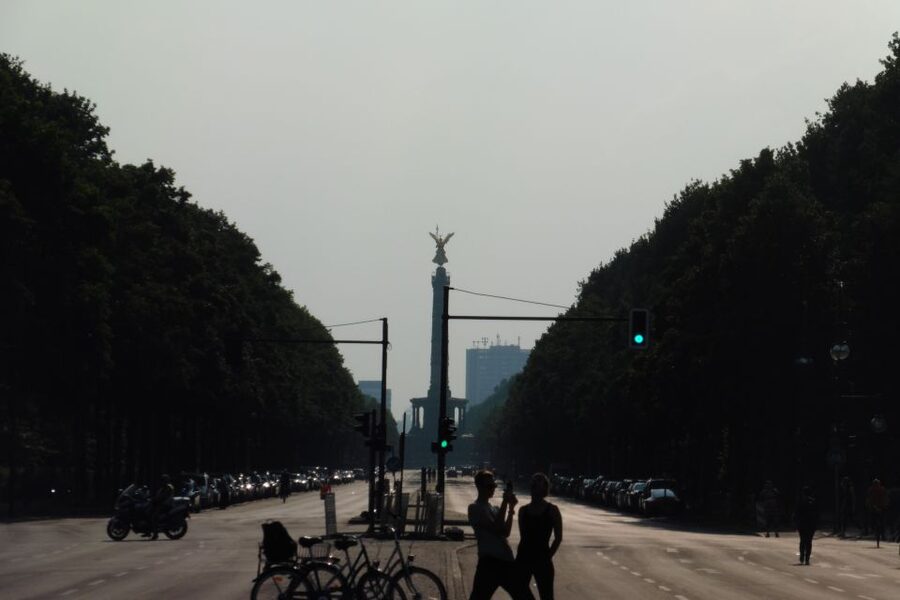
This tour works best for you if you want the Berlin Wall story tied to iconic landmarks, but explained through people, not just dates. I think it is a strong choice for first-time visitors who want a coherent theme and a clear route, from Brandenburger Tor to the Checkpoint Charlie area.
It is also a good fit if you enjoy asking questions. A group capped at 10 is small enough that the guide can actually respond instead of moving everyone along like a conveyor belt. One reason people like guides like Carlo is that they handle questions well and can connect the story to practical follow-ups.
If you travel with someone who likes history but gets bored by lecture-style tours, this one is easier to stick with. You are constantly moving, stopping at major markers, and learning how each place connects to the Cold War pressure.
Wheelchair accessibility is listed, so it should be worth considering for travelers who need it. Still, since it is a walking tour in outdoor public spaces, you will want to gauge your personal comfort with sidewalks and weather.
Should you book this Berlin Wall tour?
Book it if you want a compact, landmark-to-landmark Berlin Wall story with a guide who can speak from real Berlin perspective. The combination of Brandenburg Gate, Wall remnants, and the Checkpoint Charlie finale gives you an arc that most self-guided routes cannot match.
Skip it or think twice if German is a barrier for you. Since the live guide is German, you may find it less satisfying than a bilingual alternative. Also, if you prefer museums over walking, you might want to pair this with a museum visit instead of expecting everything to be covered at each stop.
If your goal is to understand how Berlin’s partition worked, and why it felt both terrifying and oddly hopeful, this tour is a solid use of two hours in the city.
More Wall & Cold War Berlin

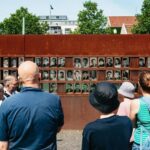
More Wall & Cold War Berlin
More Tour Reviews in Berlin


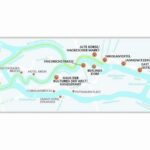



Recently added around Berlin




Berlin Cold War & Wall Tours, compared.
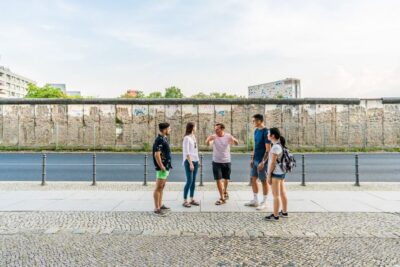 ★ 4.9Third Reich and Cold War 2 Hour Walking TourFrom $236,830 reviews
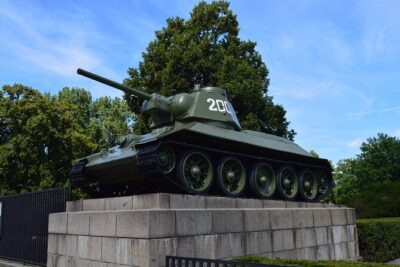 ★ 5.0Berlin’s Best: 2 Hour Walking Tour Third Reich and the Cold WarFrom $245,486 reviews
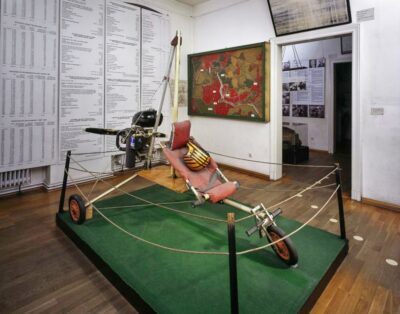 ★ 4.1Skip-the-Line: Berlin Wall Museum at Checkpoint CharlieFrom $212,041 reviews
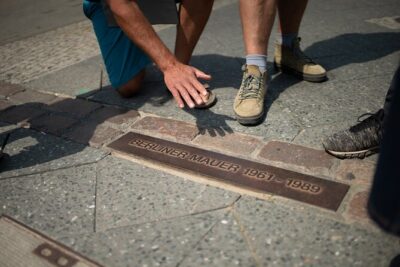 ★ 5.0Cold War, Berlin Wall, Spies and the East Side GalleryFrom $181,024 reviews
 ★ 4.7Guided Bike Tour of the Berlin Wall and Third ReichFrom $40499 reviews
 ★ 4.8Cold War Walking Tour on Berlin Wall RouteFrom $26437 reviews
 ★ 4.8Cold War Era History Guided Bike TourFrom $35413 reviews
 ★ 4.9East Berlin and the Wall: Walking TourFrom $351407 reviews
Browse the lists this tour appears in