
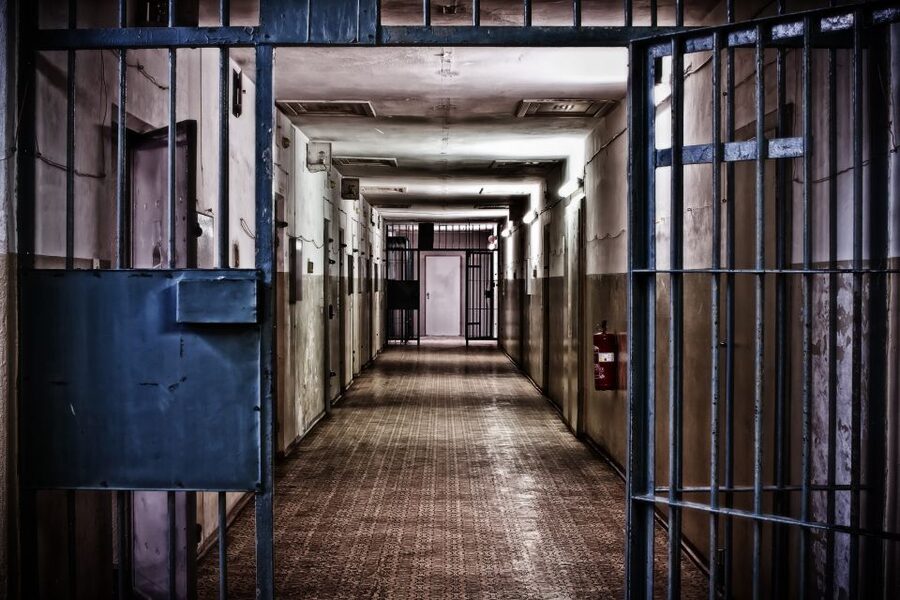
Tour review · BERLIN PRIVATE TOURS
Berlin: Stasi Museum Private Guided Tour with Entry Ticket
A secret police building, explained with clarity. A private tour of the Stasi Museum in Berlin turns Cold War politics into something you can see and understand, with expert commentary focused on everyday life in the GDR. If you like your history grounded in real objects, this one hits hard.
I especially like how the visit centers on what surveillance meant in practice, not just big headlines. You also get skip-the-line entry plus a 3-hour, language-matched private format so you can ask your questions at a human pace. One drawback: at $257 per person, the cost can feel steep if you’re expecting a long, museum-only wander with lots of extra time.
Key Things I’d Prioritize

- Skip-the-line time slot: You pre-book entry, so arrive at the meeting point on time and follow the schedule.
- Original Stasi HQ setting: The museum sits in the former headquarters of East Germany’s Ministry for State Security.
- Spy tools you can actually look at: The collection includes original devices like hidden cameras and bugs.
- Erich Mielke’s office and red briefcase: The tour points you to the office details people remember from Stasi lore.
- GDR daily life and control mechanisms: You’ll connect propaganda, fear, and informants to real operations.
- Alexanderplatz start with context: You begin where 1989 demonstrations shaped the endgame for the regime.
Other Berlin museums and landmark entries worth reserving
- Berlin: Berlin Story Bunker Entry Ticket★ 4.6 · 6,759 reviews
- Berlin: Illuseum Berlin Entrance Ticket★ 4.1 · 3,970 reviews
- Berlin: Madame Tussauds Admission Ticket★ 4.6 · 3,941 reviews
- Berlin: Natural History Museum Entrance Ticket★ 4.6 · 3,382 reviews
Alexanderplatz Start With Real 1989 Context

Your tour begins at Alexanderplatz, in front of the DM drugstore (Alexanderplatz 1, 10178 Berlin). This matters because Alexanderplatz wasn’t just a random meeting point. It connects the museum story to the final months of the GDR, when public pressure and mass protests accelerated change.
From there, you head toward the Stasi Museum using public transport, and round-trip tickets are included. That’s a practical touch. The museum is outside the tight central core, so you save the guesswork of figuring out how to get there with time to spare.
You’ll usually feel the tour’s pace right away: it’s built around a guided narrative, not a scavenger hunt. You’re moving from the political moment on the streets into the machinery of state surveillance. That shift is the whole point.
Skip-the-Line Entry: Why the Time Slot Matters
This tour includes skip-the-line tickets with a pre-booked time slot. That changes the museum experience in a small but important way. Instead of spending your limited 3 hours waiting at a ticket line, you get to spend that time inside the spaces and exhibits that the guide is explaining.
The key consideration is timing. With a reserved entry window, you should plan to arrive at the meeting point promptly and stick to the plan. If you show up late, you can miss the advantage you paid for.
Also, the Stasi Museum you’re visiting is the Forschungs- und Gedenkstätte Normannenstraße. This is not the same site as the Berlin-Hohenschönhausen Memorial (the former Stasi prison). It’s a different kind of story, and this tour stays specific to the headquarters context.
Former Stasi Headquarters: How Surveillance Was Built
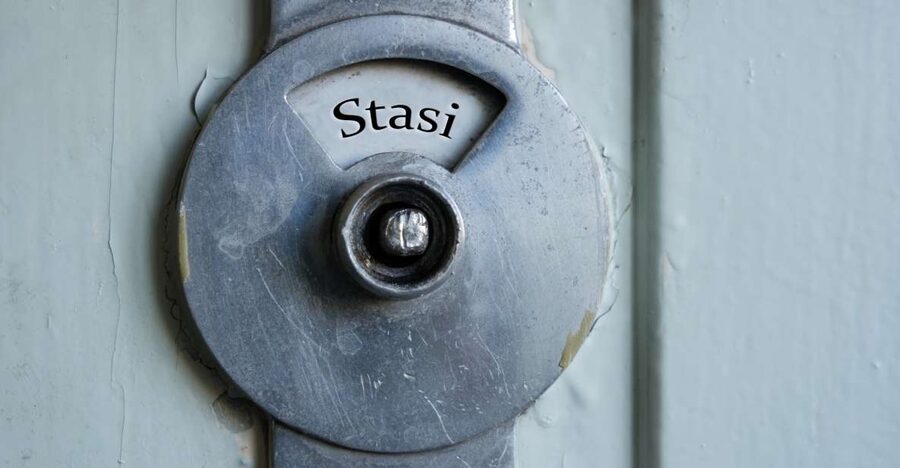
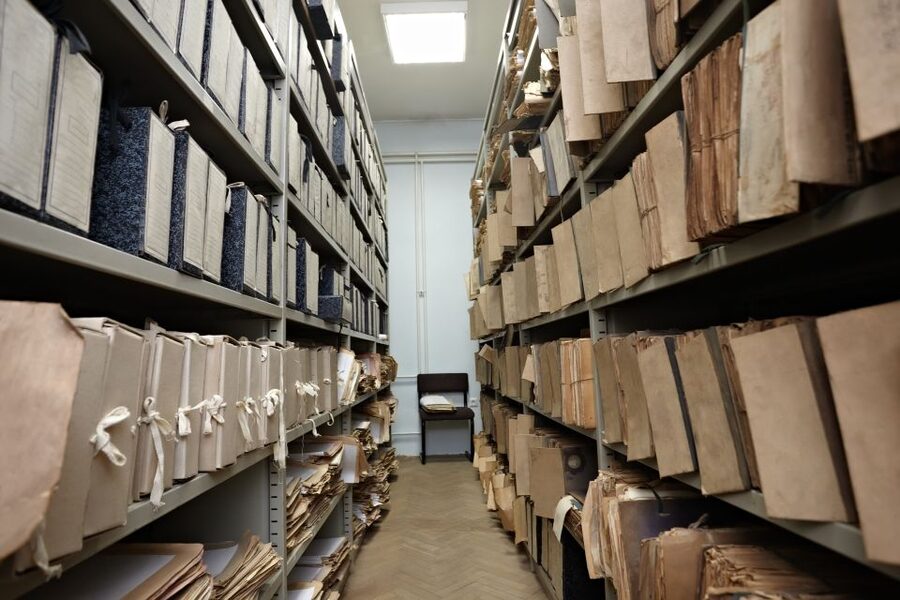
Once you’re inside, the experience has a strong “you are here for a reason” feeling. The museum is housed in the original building that served as headquarters for the Ministry of State Security, often called the Stasi. That original setting adds weight. You’re not just learning abstract facts, you’re walking through the kind of offices and working spaces where information was gathered, assessed, and acted on.
A licensed guide leads the way, tailoring commentary to your selected language (English or German). For me, that’s one of the best parts of booking a private tour here. Terms like propaganda, control, informants, and fear can stay confusing if you only skim. In a guided format, you get clear explanations of how these pieces fit together.
You’ll learn how the Stasi operated and why ordinary citizens feared them. That fear wasn’t only about arrests. It was also about uncertainty, the sense that someone could be watching, reporting, or undermining you quietly.
Spy Tech and Hidden Surveillance You Can Actually See
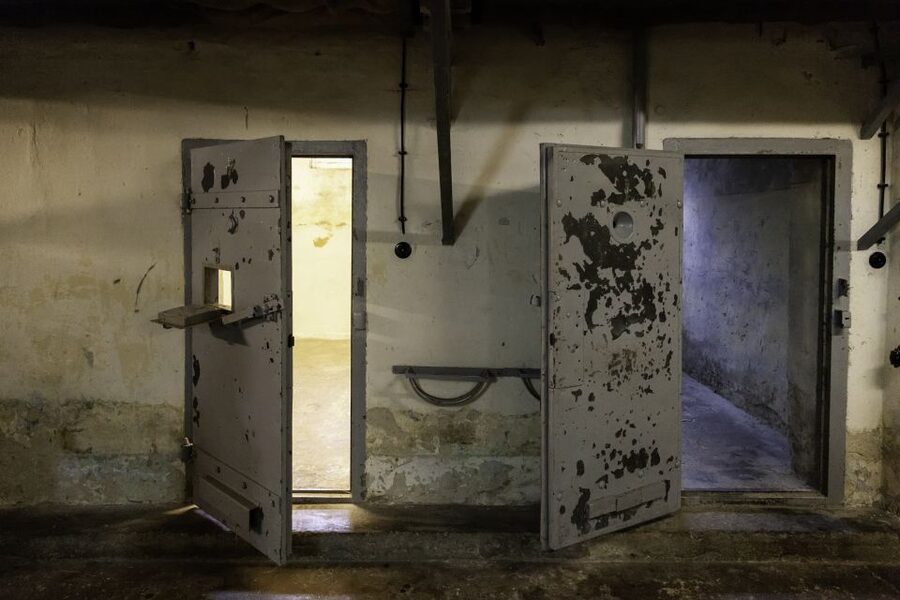
One of the most compelling reasons to pick this tour is the focus on original spying technology. You’ll see items connected to the work of the secret police, including devices like hidden cameras and bugs.
Seeing these objects changes the conversation. Propaganda is easy to talk about in theory, but technology makes it concrete. You start to understand how the Stasi could build a picture of someone’s life without needing to confront them in public. That is the everyday horror of surveillance. It doesn’t just happen during dramatic events. It’s supposed to happen constantly, quietly, and with plausible deniability.
If you’re the type who likes “how did they do it?” questions, you’ll likely appreciate how the guide ties these tools back to the broader system. The museum isn’t only showing gear. It’s showing behavior, procedures, and the logic of control.
Other Berlin days with the guide and route to yourself
- Berlin: Private Reichstag and Glass Dome Tour
★ 4.8 · 2,226 reviews - Berlin Private Complete History All Day Walking Tour
★ 5.0 · 474 reviews - Private Walking Tour Berlin Third Reich Hitler and World War II
★ 5.0 · 360 reviews - Private Berlin: Iconic Sights and Hidden Gems Walking Tour
★ 5.0 · 292 reviews - Berlin Private Half-Day Walking Tour: Discover the German Capital’s History
★ 5.0 · 244 reviews
Ministerial Offices and Erich Mielke’s Red Briefcase

The tour doesn’t stop at exhibits. You’ll also visit ministerial offices, including the office of Erich Mielke. One detail people remember is Mielke’s famous red briefcase, described as the container used to keep the most sensitive information.
This part works best when you let it do what it’s meant to do: connect the administrative world to personal power. A briefing briefcase sounds like a small prop until you remember what it represented. The Stasi wasn’t an idea. It was a working institution with targets, processes, and decision-makers.
Even if you already know the big names, being shown the office layout and the role of such symbols in the system helps you think differently. You’ll likely come away with a clearer picture of how authority was reinforced internally, while citizens experienced the consequences externally.
What You Learn About GDR Life Behind the Wall
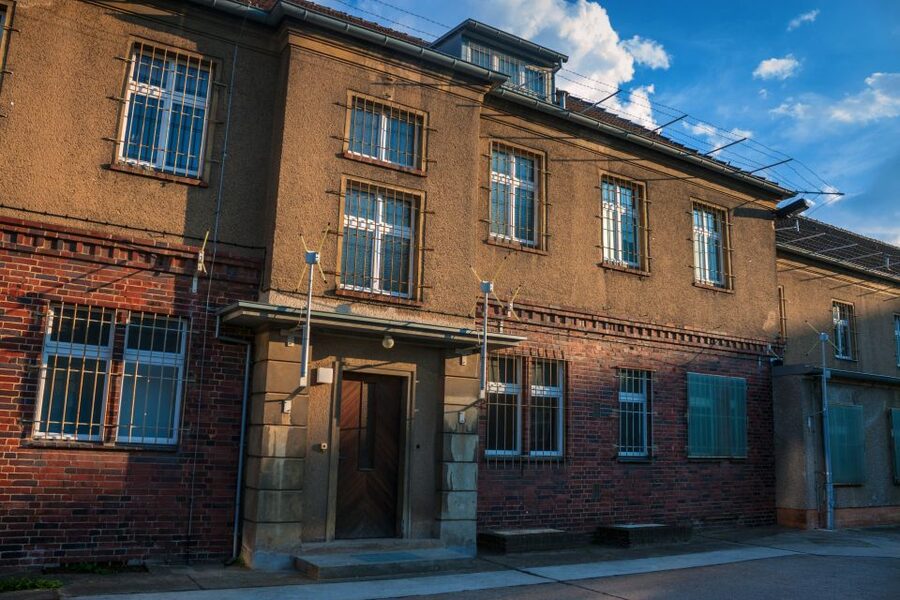
A good Cold War museum tour doesn’t just teach dates. It shows the daily pressure of living in a dictatorship that specialized in information control. This experience is designed to do that.
You’ll connect political messaging and communist propaganda to how the Stasi influenced real life. The goal is understanding how citizens were spied on and controlled, and how informants were recruited. That recruitment piece is key, because it explains something many visitors struggle with: a surveillance state doesn’t run only on uniforms. It runs on people, networks, and incentives.
As the tour moves through the space, the story becomes less “Germany in the past” and more “how power operates.” That’s why the headquarters setting matters again. It shows the bureaucratic side of repression, the part that scales.
Private, 3-Hour Format: Timing and Pacing That Works
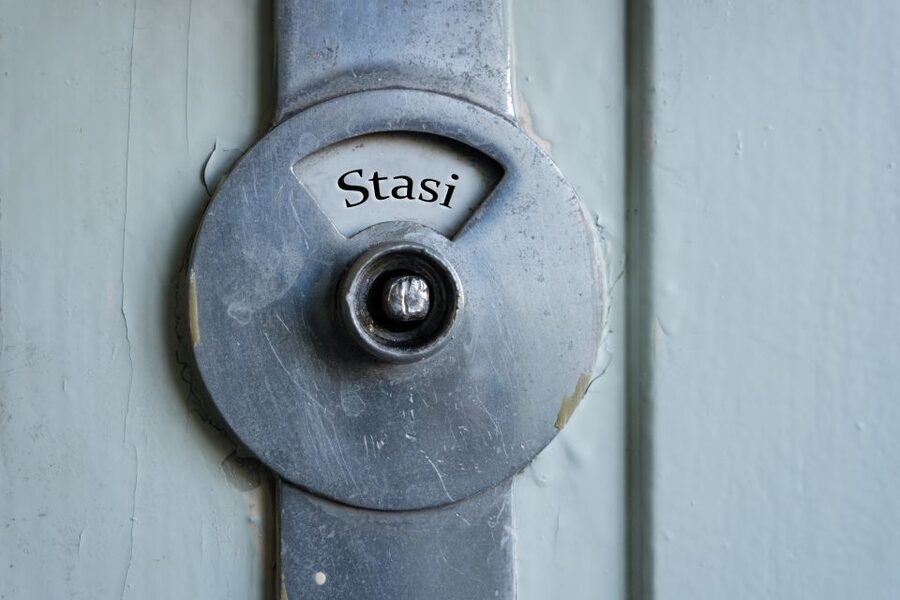
This is a 3-hour private guided tour. For many people, that sweet spot is ideal in Berlin. It’s long enough to do the meaningful stops and still short enough to keep your attention from drifting.
Because it’s private, you’re not stuck waiting for a large group to catch up. The guide can adjust explanations if you look puzzled. You can also ask follow-up questions when something clicks, rather than saving it for the end.
Language support is included for English and German. And while the tour is listed in those languages, you may find certain guides bring personal storytelling into the explanations. One named guide, Silvia, comes up in the context of personal, experience-based storytelling, which is often what makes the museum feel less like a lecture.
Price and Value: Is $257 per Person Worth It?
At $257 per person for a 3-hour private tour, this is not a budget activity. The price makes sense only if you value the combination of things you get here:
- You pay for a licensed guide who can explain how the Stasi system worked, not just read exhibit text.
- You get skip-the-line entry, which protects your time inside the museum.
- Transport tickets are included, because the museum is outside the most central area.
- The tour is private, so you’re paying for access and pacing, not just proximity to exhibits.
If you’re comparing to a self-guided museum visit, the economics can look worse. A solo traveler will feel the cost more than a group sharing the private experience. On the flip side, if you hate museums where you feel lost, the guide is the real product.
There’s also a practical warning sign: one person felt the price was too high for what the tour delivered. That’s a fair caution. Before booking, ask yourself a simple question: do you want a guided explanation of surveillance systems, or do you just want to walk through rooms at your own speed?
Who This Tour Suits Best
This tour is a strong fit if you:
- love Cold War history and want more than surface-level facts
- want to understand state surveillance as a system, not only as tragedy
- prefer guided pacing, with time for questions in English or German
- like historical places where the building itself adds meaning
If you’re more interested in architecture or want a long, slow museum day, you might find 3 hours a little tight. The tour is focused, and it prioritizes the key Stasi HQ story beats, including the spy tech and major office highlights.
Should You Book This Stasi Museum Private Tour?
I’d book it if you want the Stasi Museum to feel legible and personal, with a guide turning the “how” and “why” of surveillance into something you can track from room to room. The skip-the-line entry and included transport tickets make the logistics smoother than doing it on your own.
I would hesitate if the price feels high in your budget and you’d rather spend that money on more time in Berlin. This tour isn’t trying to be a full day of museum wandering. It’s aiming for a clear, guided 3-hour story of how the Stasi turned fear into a daily operating system.
FAQ
Where does the tour meet?
You meet your guide in front of the DM drugstore at Alexanderplatz, Alexanderplatz 1, 10178 Berlin.
How long is the Stasi Museum private guided tour?
The tour duration is 3 hours.
Is this tour private?
Yes, it is a private group tour.
What languages are available for the guide?
The live tour guide is available in English and German.
Does the tour include entry tickets to the Stasi Museum?
Yes, skip-the-line tickets to the Stasi Museum (Forschungs- und Gedenkstätte Normannenstraße) are included.
Is this the same as the Berlin-Hohenschönhausen Memorial?
No. This tour includes the Stasi Museum at Forschungs- und Gedenkstätte Normannenstraße, which is different from the Berlin-Hohenschönhausen Memorial (Gedenkstätte Berlin-Hohenschönhausen).
How do you get to the museum from Alexanderplatz?
You take public transport, and two-way public transport tickets are included.
Is the museum tour wheelchair accessible?
The tour is wheelchair accessible.
More Private Berlin Days





More Berlin Museums & Tickets




More Tour Reviews in Berlin





Recently added around Berlin




Berlin Private Tours, compared.
 ★ 4.8Private Reichstag and Glass Dome TourFrom $2882,226 reviews
 ★ 5.0Berlin Private Complete History All Day Walking TourFrom $253474 reviews
 ★ 5.0Private Walking Tour Berlin Third Reich Hitler and World War IIFrom $192360 reviews
 ★ 5.0Private Berlin: Iconic Sights and Hidden Gems Walking TourFrom $192292 reviews
 ★ 5.0Berlin Private Half-Day Walking Tour: Discover the German Capital’s HistoryFrom $180244 reviews
 ★ 5.0Private Walking Tour: World War 2 and Cold War Sites in BerlinFrom $192230 reviews
 ★ 5.0The History of Berlin: WWII PRIVATE Walking Tour With LocalsFrom $143209 reviews
 ★ 5.0Private Sachsenhausen Concentration Camp tour with trainFrom $338205 reviews
Browse the lists this tour appears in