
Tour review · BERLIN WALKING TOURS
Berlin: Third Reich & Cold War Walking Tour
Germany’s 20th-century scars fit in one walk. This private 2-hour walking tour strings together the big visual anchors, including Brandenburg Gate and the famous wall-era scenes around Checkpoint Charlie, with a local guide guiding the story. It’s a tight route that helps you connect the dots between regimes, propaganda, war, and the cold reality of borders.
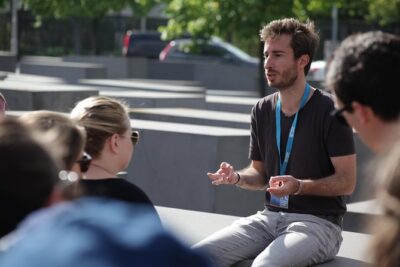
I like the customizable pacing, and I really value the way the guide handles questions as you go. The guide experience can be strong in French, with guides such as Eugen highlighted in the feedback, and there are also Spanish-speaking guides like Carlo who add practical local tips on where to go next for food and neighborhoods.
One possible drawback: the subject matter is heavy, and you’ll spend real time at memorials and documentation sites. If you want an upbeat, low-emotion sightseeing stroll, you might find the pace emotionally demanding even though the tour is well-structured.
Key things to know before you go
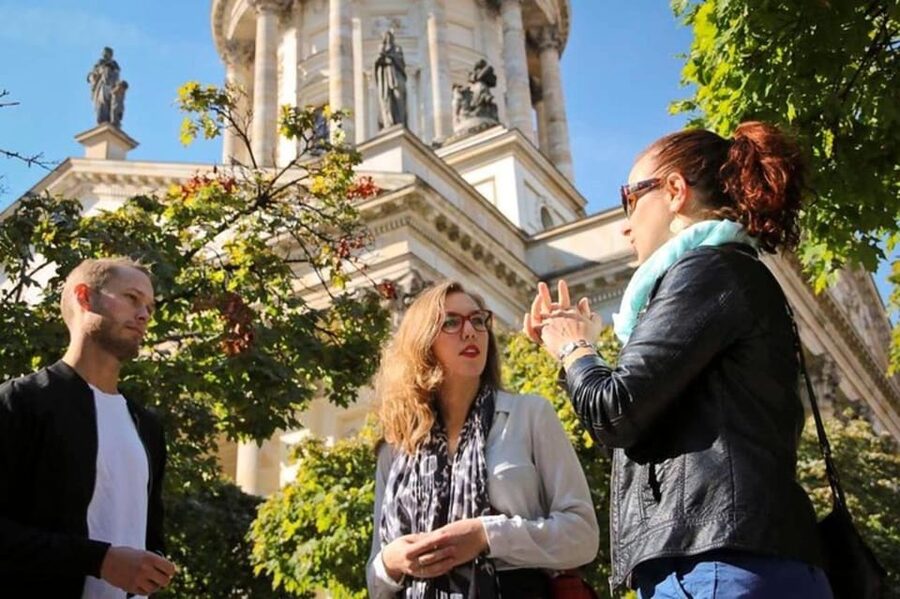
- Private means truly private: it’s just your group, no mixing with strangers.
- A focused 2-hour route: major Third Reich and Cold War stops without dragging you across the whole city.
- Guide-led context at every stop: you’re not just reading plaques, you’re getting straight explanations.
- Holocaust Memorial and Topography of Terror are built for reflection: plan your expectations accordingly.
- Wall history ends at the most famous checkpoint: Checkpoint Charlie is the narrative payoff.
- Support for tickets when needed: the team helps with booking for the visits you choose.
Other ways to read the Wall and divided Berlin in the street
- Berlin: Third Reich and Cold War 2 Hour Walking Tour★ 4.9 · 6,830 reviews
- Berlin’s Best: 2 Hour Walking Tour Third Reich and the Cold War★ 5.0 · 5,486 reviews
- Skip-the-Line: Berlin Wall Museum at Checkpoint Charlie★ 4.1 · 2,041 reviews
- Cold War, Berlin Wall, Spies and the East Side Gallery★ 5.0 · 1,024 reviews
Starting at Unter den Linden, near the Hotel Adlon
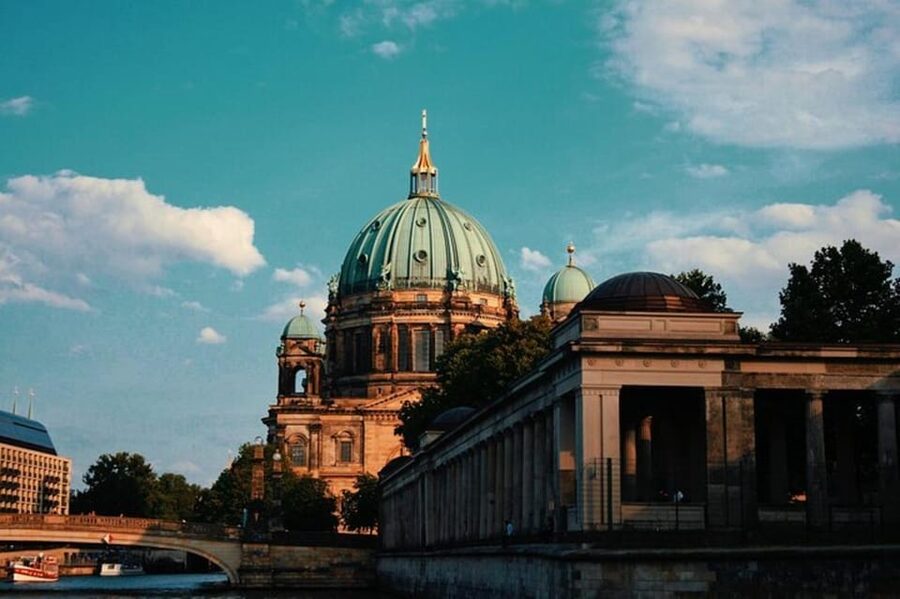
Your tour begins at Unter den Linden 77, meeting your guide in front of the Wellendorff Berlin (Hotel Adlon). This is a smart start location because it puts you right in the heart of central Berlin, where many of the sites you’ll see connect back to national symbolism.
You’ll walk from the outset with a clear storyline. That matters here, because Berlin can feel like a map of unrelated blocks if you show up with no thread tying them together.
Also, it’s a private format, so you can ask for what you actually care about. Want more on the buildings and politics? Or more on daily life and the wall era? A good guide can steer the conversation.
Brandenburg Gate: the symbol you see, the story you may miss
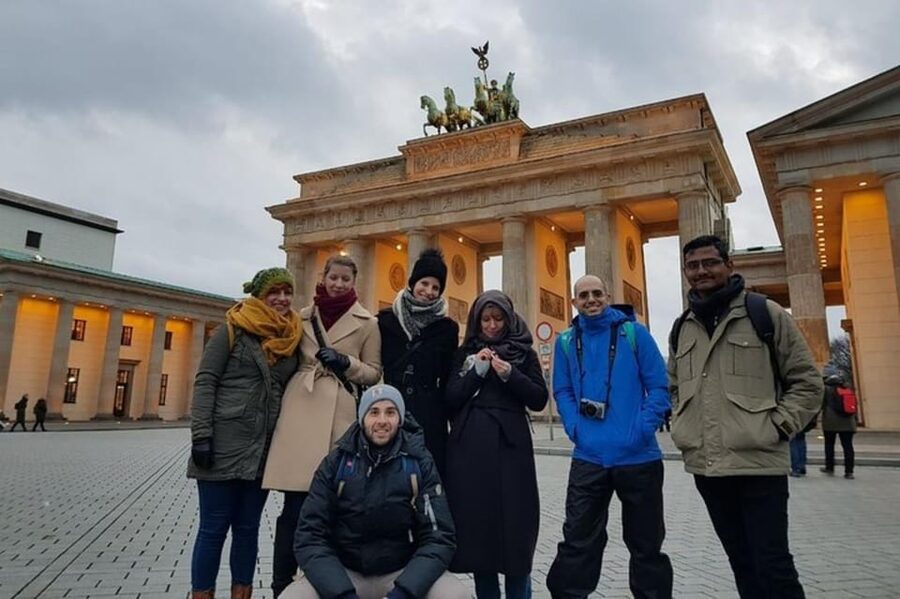
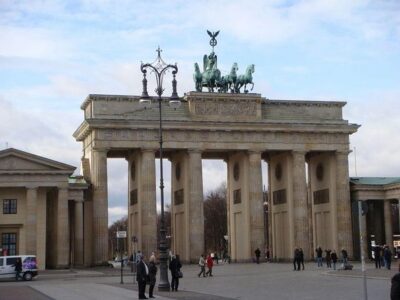
First stop: the Brandenburg Gate. It’s one of those places that looks instantly recognizable in photos, but the history is layered and very Berlin.
Your guide will explain why it became a symbol of German unity, and how that meaning changed as Germany moved through dictatorship, war, division, and reunification. The key point is that the Gate isn’t just a landmark. It’s a piece of propaganda real estate that different powers tried to claim.
Practical note: the area around it can be busy. Since this is a walking tour, your guide can usually time your viewing so you’re not constantly fighting for sightlines.
The Reichstag and the Nazi-era shadow over Parliament
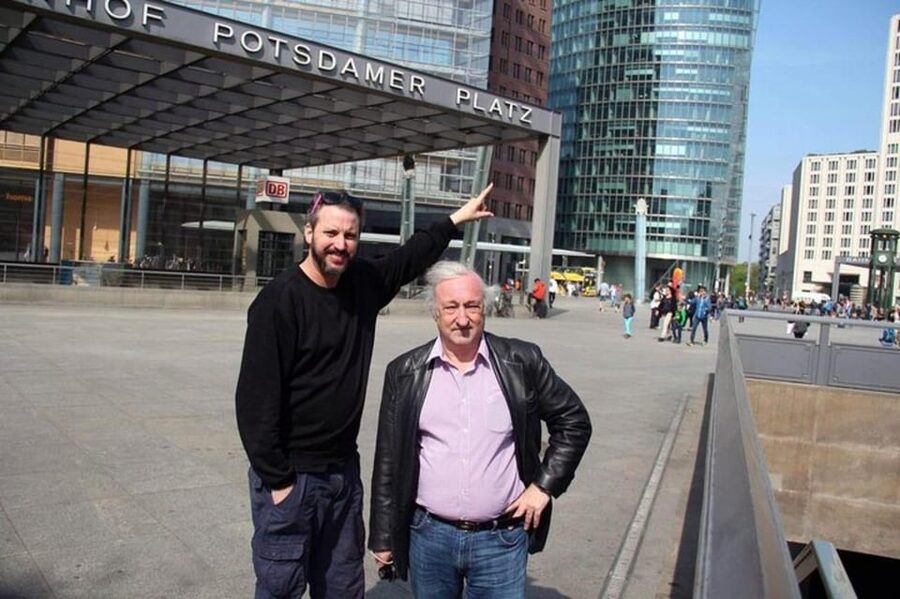
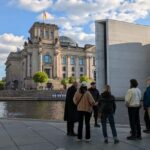
From the Brandenburg Gate you’ll head to the Reichstag, the German house of Parliament. Here the emphasis is on how the Nazi dictatorship used state power, including how the Reichstag’s meaning shifted over time.
This stop is valuable because it connects ideology to institutions. You don’t just learn that the Nazis were in charge. You see how government spaces and political theater fit into how power was maintained.
The Reichstag area can also feel a bit “touristy” compared with the later stops. Use that contrast. It’s a reminder that the same streets can host both normal political life and historical wreckage, depending on the era.
Memorial to the Murdered Jews of Europe: slow down, then understand
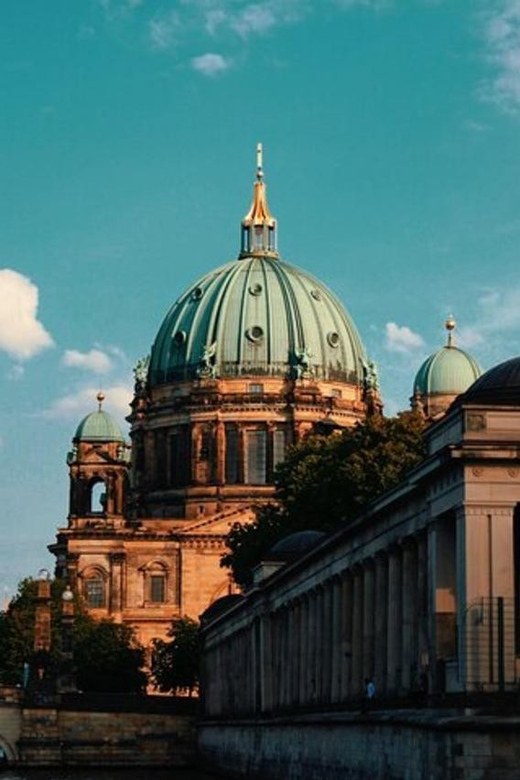
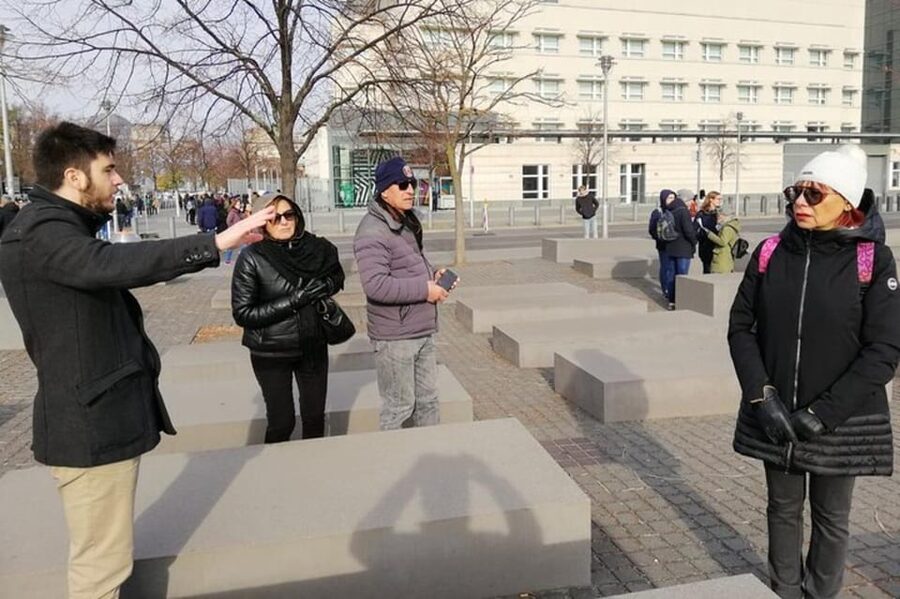
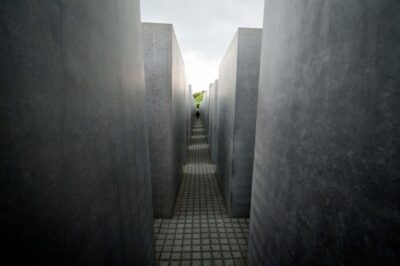
Next comes the Memorial to the Murdered Jews of Europe. This is one of the most important stops on the route, and it’s not about quick photos.
Expect a guided explanation that helps you understand what the memorial is designed to do: honor victims, mark a specific crime, and force visitors to confront absence. Even if you’ve read about the Holocaust before, being walked through the symbolism helps you grasp why this memorial is shaped the way it is, and why it matters that it exists in the open city.
If you’re traveling with teenagers or anyone who tends to “power through” attractions, ask your guide to tailor the explanation. You’ll get more out of it than you would trying to brute-force it on your own.
More carefully guided routes through Berlin’s wartime history
- Third Reich Berlin: Hitler and WWII Walking Tour
★ 5.0 · 3,301 reviews - Berlin: Third Reich, Hitler, and WWII Walking Tour
★ 4.9 · 1,133 reviews - Berlin Third Reich Sites: Half-Day Walking Tour
★ 5.0 · 835 reviews - Berlin: Guided Bike Tour of the Berlin Wall and Third Reich
★ 4.7 · 499 reviews - Hitler’s Germany: Berlin During the Third Reich & WWII
★ 4.8 · 476 reviews
Hitler’s bunker site: the end of the Third Reich, explained plainly
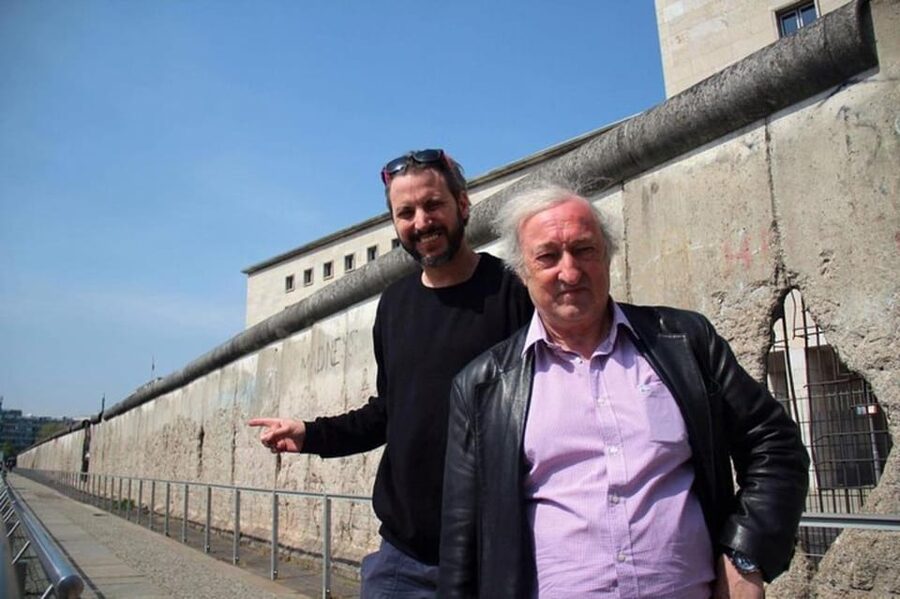
You’ll then visit the site of Hitler’s Bunker. This is where the tone shifts toward the last days of World War II, including Hitler’s suicide.
Even with basic background knowledge, the guided approach helps you keep the timeline straight. The story tends to get messy when you try to read it separately from everything else you’ve seen that day, so the guide’s framing is the difference between facts and meaning.
Emotional realism matters here. This isn’t a stop where you should rush. If you move fast, you miss the point. If you need a moment, take it. A thoughtful guide will pause with you instead of pushing you onward.
Topography of Terror: where documents replace excuses
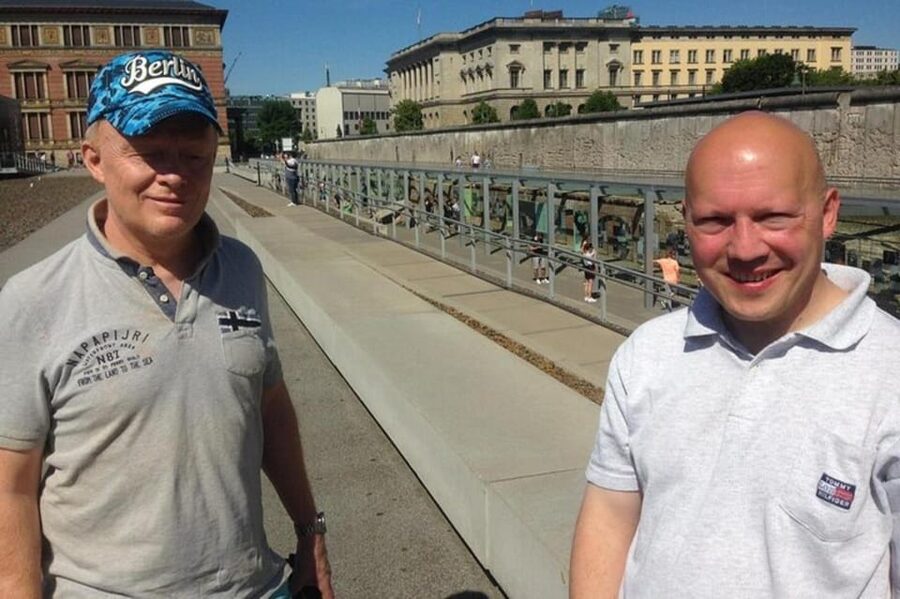
After the bunker-era story, you’ll walk through the Topography of Terror exhibition, located on the former Gestapo and SS headquarters site. This is the documentation part of the tour, and it’s where Berlin stops being only about monuments and becomes about evidence.
The focus is on the crimes committed during World War II, and the exhibition format makes you feel the bureaucratic and administrative machinery behind atrocity. Your guide’s job is to connect the dots between what you see and what it meant in human terms, without turning it into a cold lecture.
A practical consideration: exhibitions involve reading and absorbing. If you normally like high-energy tours, this may feel slower. It’s worth leaning into that slower pace, because it’s exactly where the tour earns its depth in a short 2-hour window.
Berlin Wall stories, from construction to escapes
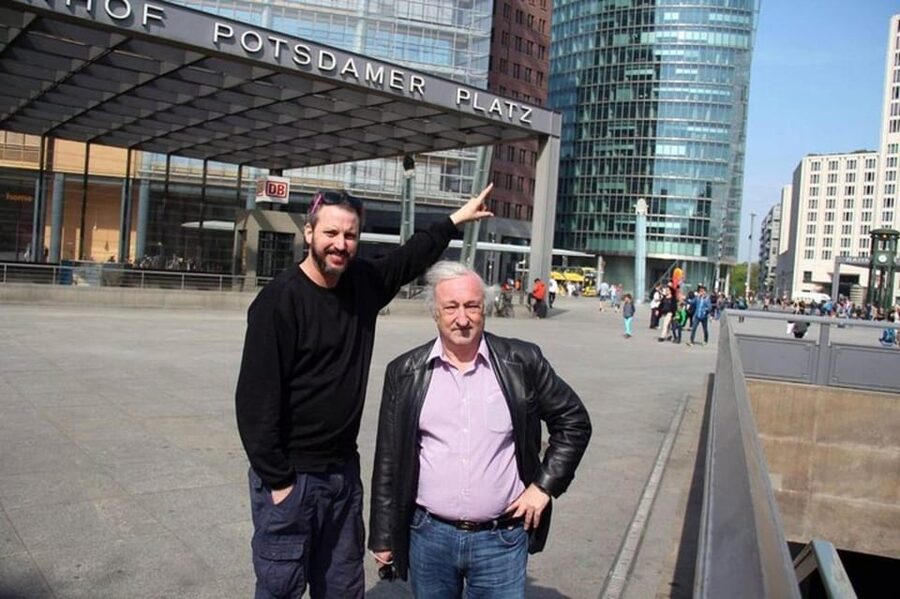
You’ll spend time hearing the Berlin Wall story, starting with construction in 1961 and then moving through the reality of escape attempts. The tour includes stories about daring escapes over the Wall, which helps you see the Wall not only as a political boundary but as a human life barrier.
This is one of those topics where a guide changes everything. You can learn dates from a sign. You learn what it felt like when someone explains how the system worked and why escape was so hard.
If you’re the type who likes to connect history to urban design, pay attention to how this area is organized. The wall-era layout still influences movement through parts of the city, even now.
Checkpoint Charlie: the standoff that makes the Cold War click
Finally, you end at Checkpoint Charlie, the most famous checkpoint of the Berlin Wall. It’s a strong ending because it gives you a concrete meeting point for competing systems.
You’ll learn about the standoff between Soviet and American forces in 1961, then the story leads to the fall of the Berlin Wall in 1989. This ending helps you understand German unity not as an abstract political slogan, but as something that took years of pressure, risk, and eventual change.
Checkpoint Charlie can also feel like a magnet for visitors, but the guided history helps you look past the souvenir atmosphere. You’re not just seeing a famous spot. You’re seeing a moment when two power blocs stood toe to toe in the middle of Berlin.
How the guide experience turns stops into a story

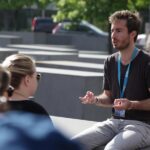
This tour is private and customizable, which means the guide can shape the walk around your interests. That’s a big deal on a subject like this, because people come with different reasons for being in Berlin.
The feedback highlights that guides are energetic and responsive, with French support noted through Eugen in particular. There’s also an example of Carlo, who is described as living in Berlin and recommending areas to visit and where to eat for local experiences. That kind of advice is practical value you can use the same day.
So think of the guide as your translator between eras. Without that, you might read plaques and still miss why each site matters. With it, you connect propaganda, policy, and the physical barriers that separated real people.
Price and value: $35 for a private 2-hour education
At $35 per person for a 2-hour private walking tour, the price can feel like a steal or like a question, depending on how you compare it.
Here’s why I think it’s strong value: you get an exclusive guide for your group, you see major sites that would cost you time and effort to connect on your own, and you receive help booking tickets for desired visits. On top of that, walking is paired with public transport when needed, unless you choose an option that changes the transport inclusion.
You still need to budget for food and drinks, since those aren’t included. And if you want lots of museum time beyond what the route allows, you might want extra add-on planning. But for a compact, narrative-based history tour, $35 can be a very efficient way to buy context.
Comfort, walking, and how to plan your day
This is a walking tour with a 2-hour duration, so wear comfortable shoes. The stops are spread across a part of central Berlin, and you’ll spend time standing at memorials and exhibits where you don’t want to be distracted by foot pain.
Also, pace yourself emotionally. You’re moving from national symbols to mass violence sites to postwar division, all in one outing. That can be mentally tiring, even if the guide is skilled.
If you’re building the rest of your day, I’d schedule something lighter afterward. Give your brain time to process before you head into more sightseeing.
Who this tour suits best
This is ideal if you want major Berlin history without assembling it yourself. It’s also a great fit for first-time visitors who want the highlights, but still care about accuracy and context.
It’s especially useful if you like a guided Q and A format. The tour is designed to answer questions as you move from one site to the next, rather than treating each stop as a separate chapter.
It’s also wheelchair accessible, which matters for planning. If you or someone in your group needs mobility support, the accessibility note is a good sign that the operator has considered it.
Should you book it?
I’d book this tour if you want a structured, private route through the Third Reich and Cold War story, from Brandenburg Gate to Checkpoint Charlie, without getting lost in dates and disconnected locations. The combination of major sites, guided explanations, and the chance to ask questions on the spot makes the $35 price feel reasonable.
Skip it only if you’re looking for a relaxed, upbeat tour where you don’t have to think about difficult history. This outing asks you to slow down at memorials and evidence-based exhibits, and that’s a feature, not a bug.
FAQ
Where does the tour start?
The tour starts at Unter den Linden 77, meeting your guide in front of Wellendorff Berlin (Hotel Adlon).
Where does the tour end?
The tour ends at Checkpoint Charlie.
How long is the tour?
The duration is 2 hours.
How much does it cost?
The price is $35 per person.
Is it a private tour?
Yes. It’s private, meaning it’s exclusive to your group with no one else joining you.
What languages are available?
The live tour guide is available in English, French, and Spanish.
Is the tour wheelchair accessible?
Yes, the tour is wheelchair accessible.
What is included in the price?
The tour includes a private and exclusive walking tour, customization, walking and public transport (except if you select one of the options), and help from the team to book tickets for desired visits.
What is not included?
Food and drinks are not included.
Can I cancel for a refund?
Free cancellation is available up to 24 hours in advance for a full refund.
More World War II History in Berlin


More Wall & Cold War Berlin
More Tour Reviews in Berlin


Recently added around Berlin


Berlin Walking Tours, compared.
 ★ 5.0Discover Berlin Half-Day Walking TourFrom $249,624 reviews
 ★ 4.9Third Reich and Cold War 2 Hour Walking TourFrom $236,830 reviews
 ★ 4.9Discover Berlin Walking TourFrom $235,998 reviews
 ★ 5.0Berlin’s Best: 2 Hour Walking Tour Third Reich and the Cold WarFrom $245,486 reviews
 ★ 4.8Hidden Backyards Guided Walking TourFrom $235,360 reviews
 ★ 5.0Third Reich Berlin: Hitler and WWII Walking TourFrom $243,301 reviews
 ★ 4.6Alternative Berlin Walking TourFrom $291,204 reviews
 ★ 4.9Third Reich, Hitler, and WWII Walking TourFrom $201,133 reviews
Browse the lists this tour appears in