
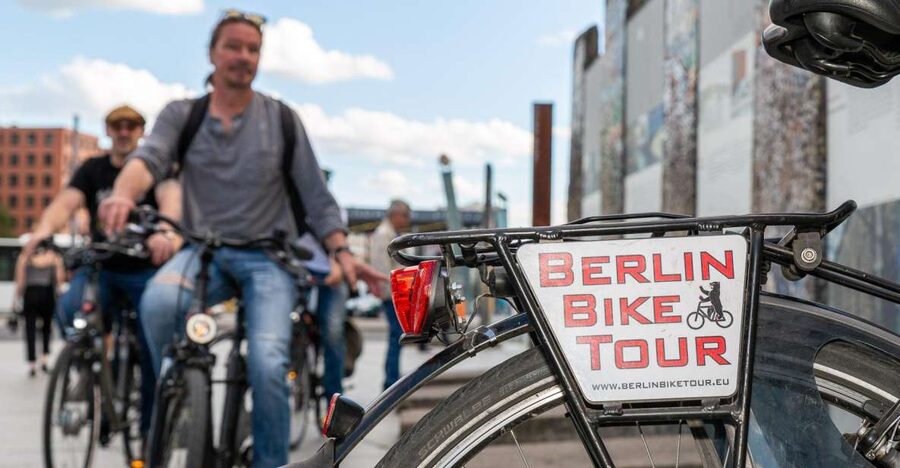
Tour review · BERLIN COLD WAR & WALL TOURS
Berlin Wall History Small Group Cycling Tour
That first pedal stroke hits you. This Berlin Wall cycling tour tracks the old border line in a tight, human way, with real places where major events unfolded and lessons still linger in the streets.
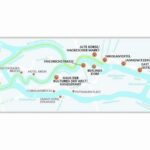
I love how the route connects multiple famous sites instead of hopping randomly. You start at the Square of the 9th November 1989, cross at the former border-control at Bornholmer Straße, then keep moving through key memorial areas like Bernauer Straße and Chausseestraße. I also like the small-group feel, capped at 8 people, so the ride stays relaxed and questions feel easy.
One drawback to consider: it runs in all weathers and you are on a bike for the whole 4 hours, so you need to dress for wind, rain, and long stretches in the open.
Key highlights you will actually remember
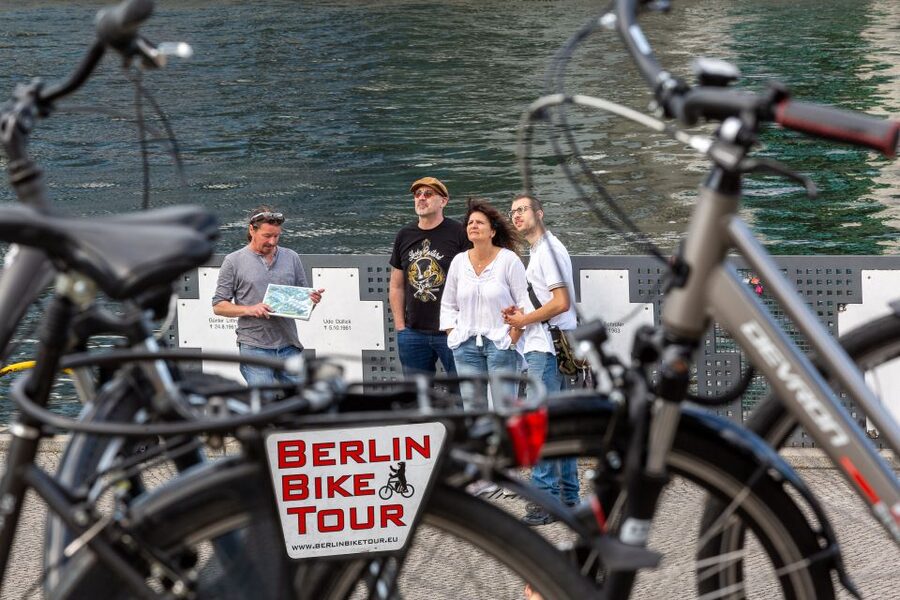
- Cross the former border-control at Bornholmer Straße and ride from there into Mauerpark
- See the Wall Memorials at Bernauer Straße and visit the ghost-station area at Chausseestraße
- Walk through the Invaliden Graveyard and spot the former border-crossing at Invalidenstraße
- Bike past major Berlin landmarks including Brandenburg Gate, Potsdamer Platz, Checkpoint Charlie, and Friedrichstraße sights
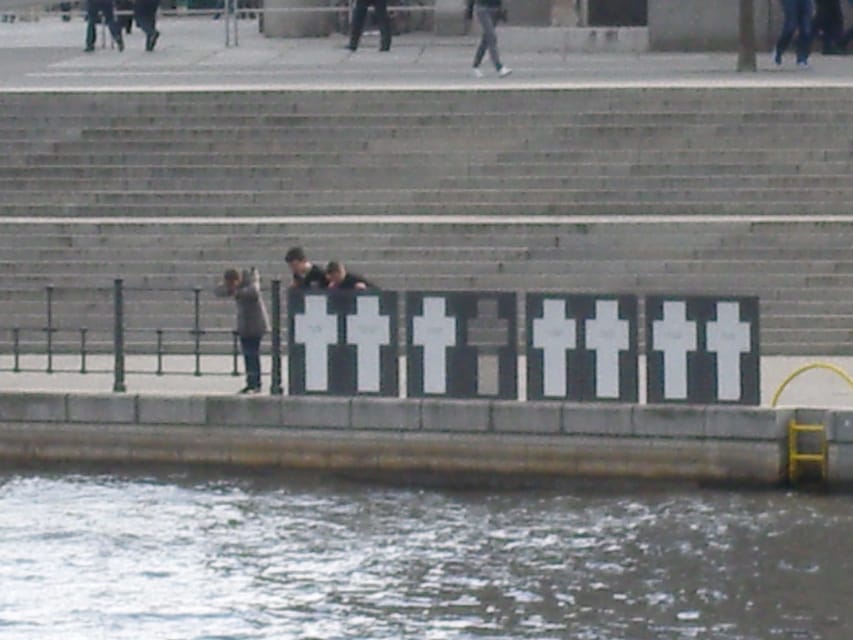
- Ride along the Government Bank to the Parliament of Trees, a striking modern counterpoint to the wall’s era
- Learn through clear, story-based guiding in German, including personal insights that keep the pace calm
Other ways to read the Wall and divided Berlin in the street
- Berlin: Third Reich and Cold War 2 Hour Walking Tour★ 4.9 · 6,830 reviews
- Berlin’s Best: 2 Hour Walking Tour Third Reich and the Cold War★ 5.0 · 5,486 reviews
- Skip-the-Line: Berlin Wall Museum at Checkpoint Charlie★ 4.1 · 2,041 reviews
- Cold War, Berlin Wall, Spies and the East Side Gallery★ 5.0 · 1,024 reviews
Berlin Wall by bike: what you ride, what you learn
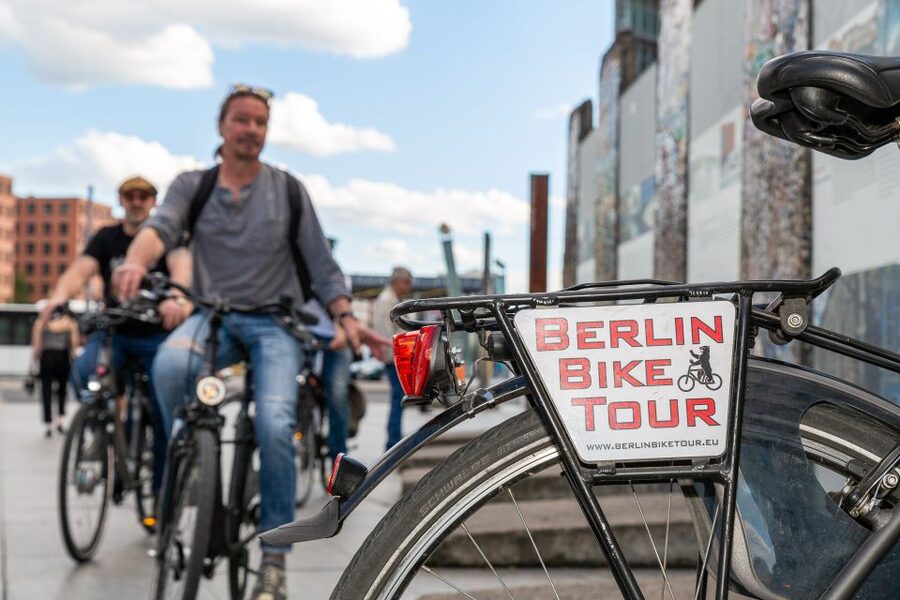
Berlin is one of those cities where history is not locked behind museum glass. On this tour, you ride the Mauerweg route, following the traces of the Berlin Wall across parts of the former border area. Even though very little wall remains in many stretches, the geography still tells the story if you know how to read it.
You will start where the wall’s story ended in real time, not in textbooks. The tour begins on the Square of the 9th November 1989 and moves through places tied to border control, escapes, and the daily tension of life on both sides. You’ll also hear tragic and fateful stories tied to specific spots, which makes the route feel less like a route and more like a timeline you can roll through.
I like that the tour does not pretend the physical wall is all that matters. You focus on the human system around it, the crossings, the memorials, and the spaces that still shape how Berlin looks and feels today.
Getting to the ride: meeting point at 75 Bornholmer Straße
You meet your guide at 75 Bornholmer Straße, Berlin 10439. It is a practical start point, with multiple rail options nearby, so you can arrive without a stress sprint.
Here is what to use:
- 1 minute walk from tram stop Björnsonstraße (M1, M13, M50)
- 2 minutes walk from S-Bahn station Bornholmer Straße (S1, S2, S8, S25, S85)
- 10 minutes walk from S-Bahn/U-Bahn station Schönhauser Allee (S8, S41, S42, S85, U2)
Plan to arrive a few minutes early. This is a cycling tour, so everyone needs time for bike setup and for your guide to get the group organized before you roll out.
Bornholmer Straße border-control crossing and the 9th November 1989 moment
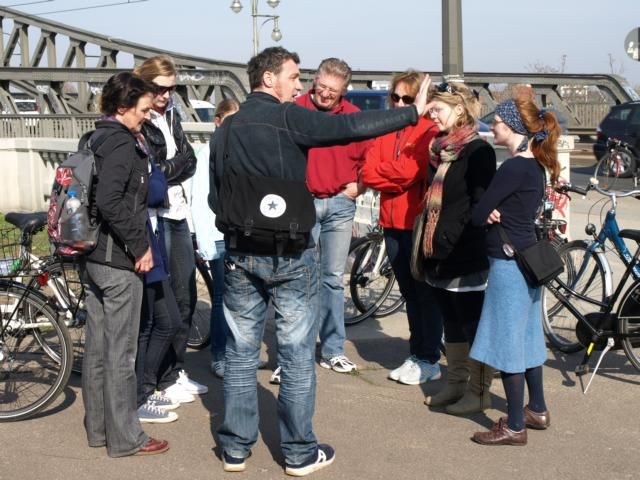
The vibe starts strong at the Square of the 9th November 1989. This is the place where people made the first border crossing moves that changed everything. Standing there, you get why that date matters, because the square ties the moment to the street, not just an old headline.
From there, the tour centers on Bornholmer Straße. You will cross at the former border-control area at Bornholmer Straße and then cycle through Mauerpark. You are not just passing through a modern neighborhood. You are moving along an area that was once part of the system of checks, barriers, and guarded movement.
The tour also points out some unexpected details that make the area easier to picture. You can learn how cherry trees came to be grown on Bornholmer Straße, which is the sort of quiet contrast that makes the transition from division to normal street life feel real. You will also see the original watchtower and parts connected to the Death Strip concept, which helps you understand how controlled movement was meant to work.
Small practical note: you might notice design cues along the way, like the tour’s ground-level rabbit picture trail that helps guide you toward major sights.
Mauerpark to Bernauer Straße memorials, with a look at Chausseestraße’s ghost station
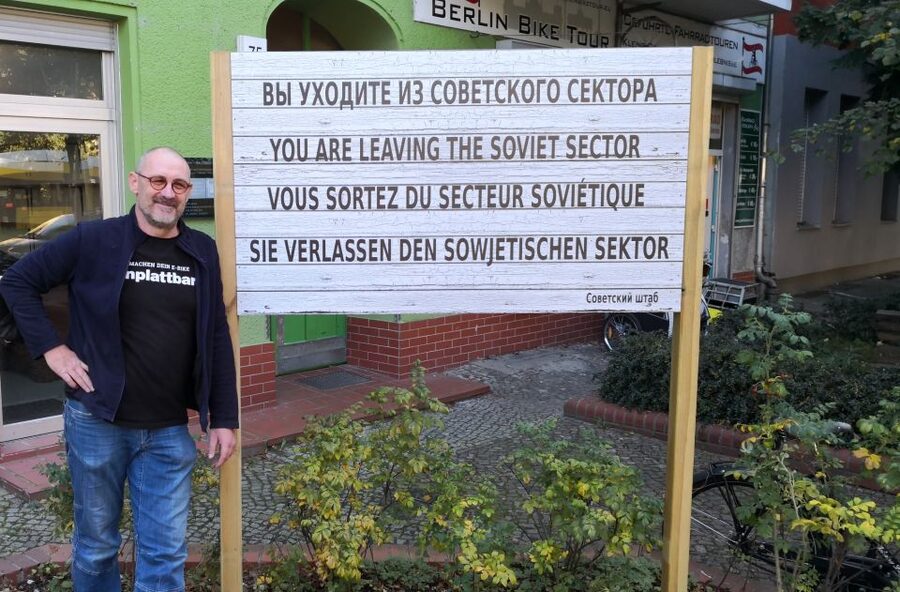
Next, the route pushes into the areas where the wall’s impact is most visible through memorials and preserved atmosphere. Cycling through and around Mauerpark helps you connect the wall era to a place that now feels like a public gathering space.
Then you reach Bernauer Straße, one of the most important memorial zones tied to the wall. Even if you are not a history nerd, the memorial setup makes the stakes clear. You see the Wall Memorials here, and your guide ties the physical location to how the border system shaped lives.
After that, the tour visits Chausseestraße, where you see the ghost-station area and a former border-crossing. This stop is emotionally heavier, because ghost-station areas carry the feeling of something stopped, something watched, and something that still echoes. I like that your guide frames what you are seeing in story form, so the tour does not become a list of names and dates.
The trade-off is that this part can feel intense. If you prefer lighter sightseeing, you may want to mentally pace yourself and listen through it like a slow, focused lesson.
Other ways to read the Wall and divided Berlin in the street
- Berlin: Guided Bike Tour of the Berlin Wall and Third Reich
★ 4.7 · 499 reviews - Berlin: Cold War Walking Tour on Berlin Wall Route
★ 4.8 · 437 reviews - Berlin: Cold War Era History Guided Bike Tour
★ 4.8 · 413 reviews - East Berlin and the Wall: Walking Tour
★ 4.9 · 407 reviews - DDR Museum Berlin Admission Ticket
★ 4.0 · 352 reviews
Invaliden Graveyard, Invalidenstraße crossing, and the turn toward Berlin’s institutions
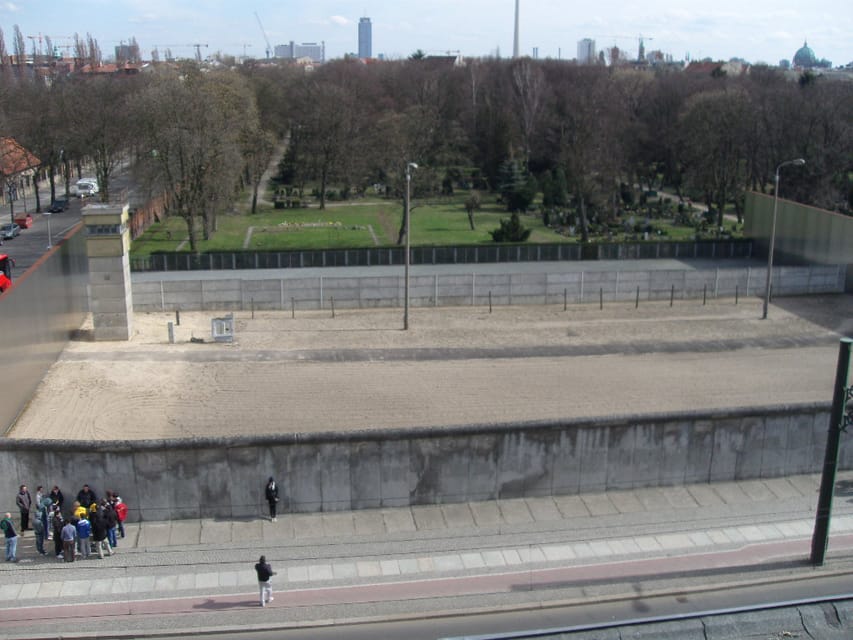
One of the most memorable stretches is the stop at the Invaliden Graveyard. This is not just a pretty green pause. It is a place that connects the wall’s era to real consequences and real people. You will also see the former border-crossing at Invalidenstraße, which keeps the tour grounded in the fact that crossings were the practical, daily pressure points.
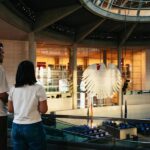
Then you move toward a different kind of Berlin imagery. You ride along the Government Bank to the area known as the Parliament of Trees. For me, this is where the tour becomes more than “wall, border, tragedy.” You get a sense of how Berlin rebuilt itself physically and symbolically after division.
If you like your history tours to include a bit of perspective, this segment is worth the ride. It gives you a contrast you can feel, from the infrastructure of control to the modern symbolism of civic life.
Brandenburg Gate to Friedrichstraße: Potsdamer Platz, Checkpoint Charlie, and the Tränenpalast
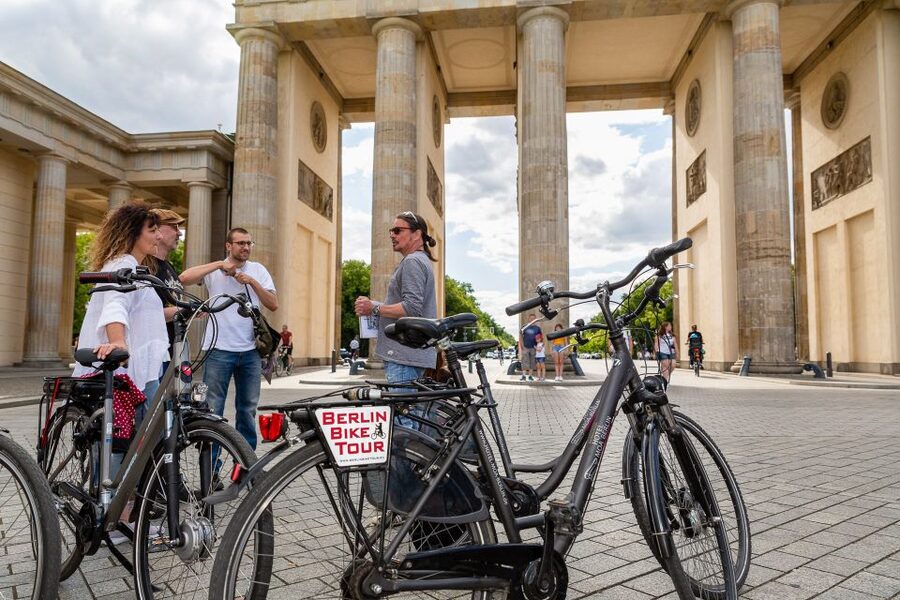
When the tour reaches Brandenburg Gate, the scene shifts into classic postcard Berlin. But you are not just seeing the landmark. You are seeing it as part of the wall-era story, because the route is still tied to where border movement mattered.
From there, you cycle through Potsdamer Platz and toward Checkpoint Charlie. The tour weaves the landmarks into the larger narrative of crossings and public attention. Even if you have seen these sites in photos before, riding to them makes a difference. Streets give you distance, and distance helps you understand what guards and rules tried to control.
On Friedrichstraße, you reach Tränenpalast, the Palace of Tears. This is the kind of place name that already hints at emotion, and the tour context helps you understand why. You also pass other notable sights along Friedrichstraße, including the Friedrichstadt Palace, the Museum Island area, the New Synagogue, and the Old Berlin Post Office.
Two practical tips for this final stretch:
- Bring your camera energy for the major stops, because you will want to pause without rushing.
- Keep an eye on your guide’s timing. This is a fast-moving urban section near central attractions.
The 4-hour ride experience: small group pace, guide style, and comfort
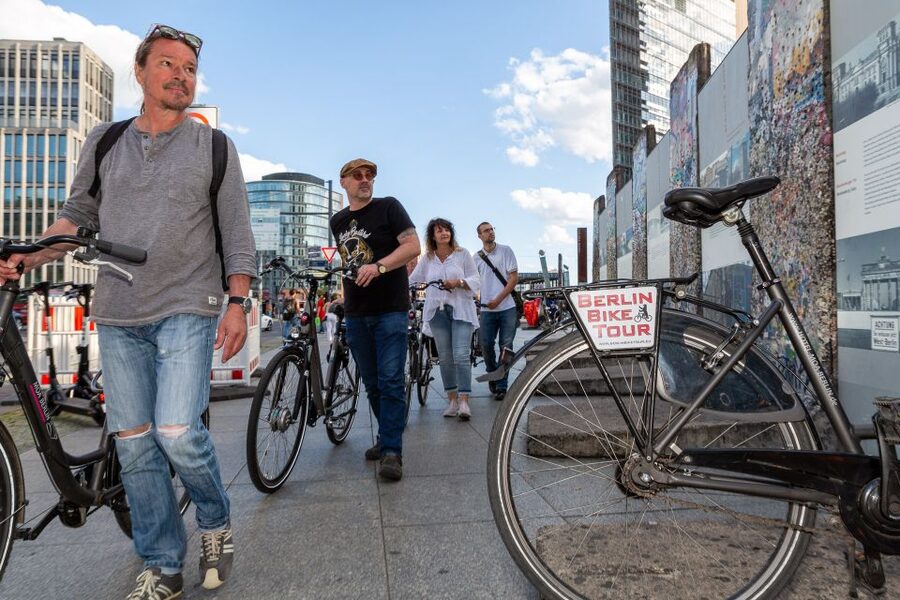
This is a 4-hour small group cycling tour, with a group size limited to 8 participants and a minimum of 3. In practice, that matters. A smaller group lets your guide manage stops in a calm way, and it is easier to hear explanations when you are not battling crowd noise.
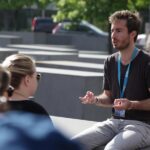
The best part, in my opinion, is how the pace stays relaxed. In feedback I’ve taken note of, guides like Marcus and Kathrin were praised for being professional, calm, and very clear with personal insights. That kind of guiding makes a wall tour feel like a conversation, not a lecture.
You will likely cover a mix of city streets where you may feel the density of central Berlin. But the guidance style helps you find quieter moments too, so the ride does not feel like just weaving through traffic.
What you should bring back to yourself after the ride is a mental map of how the border line ran, where crossings were concentrated, and how memorial sites are placed so the story can still be read.
Price and value: what $36 includes and what you must plan
At $36 per person, the value comes from what the tour bundles in. You get a bicycle, fees, and a city guide. If weather turns, you also get a rain poncho if needed. That is the core of a practical half-day plan, especially when the guide is doing the heavy lifting of explaining what each stop means.
Food and drink are not included, so you will want to plan either a pre-ride snack or a post-ride meal. Also, because this tour runs in all weathers, it is smart to bring water if you know you tend to get thirsty on bike rides.
Is it worth it? If you want the Berlin Wall story without guessing your way between sites, yes. The cost is low enough that you can treat it as an efficient way to learn while also seeing major landmarks. The alternative is trying to self-tour with a map and hoping you connect the right sites in the right order.
What to bring, what is not allowed, and how to get the most from every stop
The tour asks you to bring:
- Passport or ID card
- Sunglasses
- Sun hat
- Camera
You should also dress for wind and rain, since the tour runs in all weathers. On rainy days, you’ll be given a rain poncho. Even if it is just cloudy, sunglasses help, and a hat is useful for brighter weather.
What is not allowed: luggage or large bags. Plan to travel light, and use a small cross-body bag or something you can keep secure while riding.
One more small detail that I like: the route uses ground-level cues like rabbit pictures to help you move along and orient yourself toward major sights. It makes the route feel less confusing, especially on busier streets.
Who this tour suits best
This tour is a strong fit if you:
- Want a focused half-day that covers multiple Berlin Wall related locations
- Like cycling tours where the pace is manageable and the guide fills in context
- Prefer learning through stories tied to specific places, not just reading plaques
It is also a good choice if you are short on time but still want a clear sense of how border control worked and how the city marks those locations today.
If you hate riding in mixed urban traffic, consider your own comfort level with city cycling. Also consider that sections connected to tragedy and fate can feel emotionally heavy, so you might not want this as a purely casual outing.
Should you book this Berlin Wall cycle tour?
If you want an efficient, guided way to understand the Berlin Wall beyond the obvious landmarks, I’d book it. You get a structured route that connects the border-control story from Bornholmer Straße to Checkpoint Charlie, with stops that include memorials, a ghost-station area, and the Invaliden Graveyard. At $36 with bicycle and guide included, the value is strong for a 4-hour experience.
Book it if you like clear guiding, you can handle biking for the full half-day, and you are ready for emotionally serious context in real places. Skip it only if you want a purely light sightseeing loop, or if rain and city biking would put you in a bad mood.
FAQ
How long is the Berlin Wall history cycling tour?
It lasts about 4 hours.
What group size is this tour?
It is a small group, with a minimum of 3 participants and a maximum of 8 participants.
What language is the live guide?
The live tour guide speaks German.
What is included in the price?
The price includes the bicycle, fees, a city guide, and a rain poncho if necessary.
What should I bring, and what is not allowed?
Bring your passport or ID card, sunglasses, a sun hat, and a camera. Luggage or large bags are not allowed.
What is the cancellation policy?
You can cancel up to 24 hours in advance for a full refund.
More Wall & Cold War Berlin
More Wall & Cold War Berlin
More Tour Reviews in Berlin
Recently added around Berlin
Berlin Cold War & Wall Tours, compared.
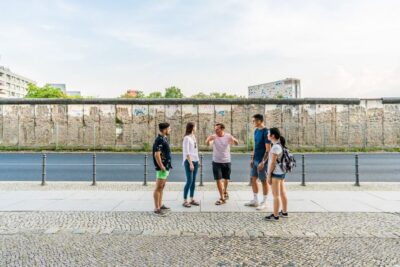 ★ 4.9Third Reich and Cold War 2 Hour Walking TourFrom $236,830 reviews
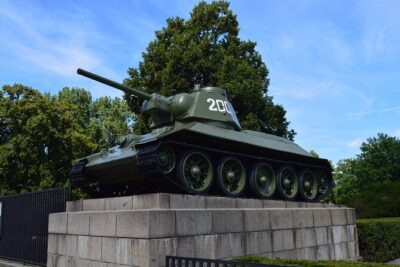 ★ 5.0Berlin’s Best: 2 Hour Walking Tour Third Reich and the Cold WarFrom $245,486 reviews
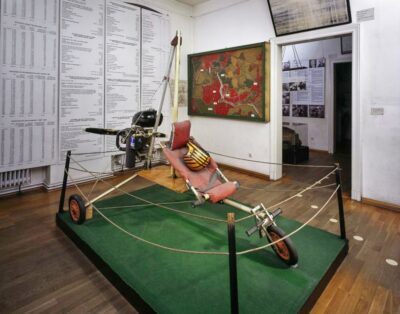 ★ 4.1Skip-the-Line: Berlin Wall Museum at Checkpoint CharlieFrom $212,041 reviews
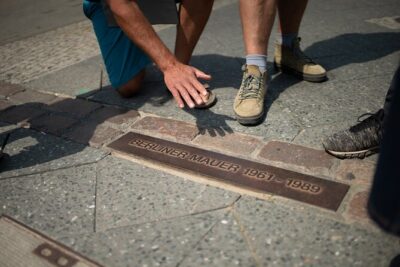 ★ 5.0Cold War, Berlin Wall, Spies and the East Side GalleryFrom $181,024 reviews
 ★ 4.7Guided Bike Tour of the Berlin Wall and Third ReichFrom $40499 reviews
 ★ 4.8Cold War Walking Tour on Berlin Wall RouteFrom $26437 reviews
 ★ 4.8Cold War Era History Guided Bike TourFrom $35413 reviews
 ★ 4.9East Berlin and the Wall: Walking TourFrom $351407 reviews
Browse the lists this tour appears in