
Tour review · BERLIN WALKING TOURS
Berlin: World War Two Third Reich and Cold War Walking Tour
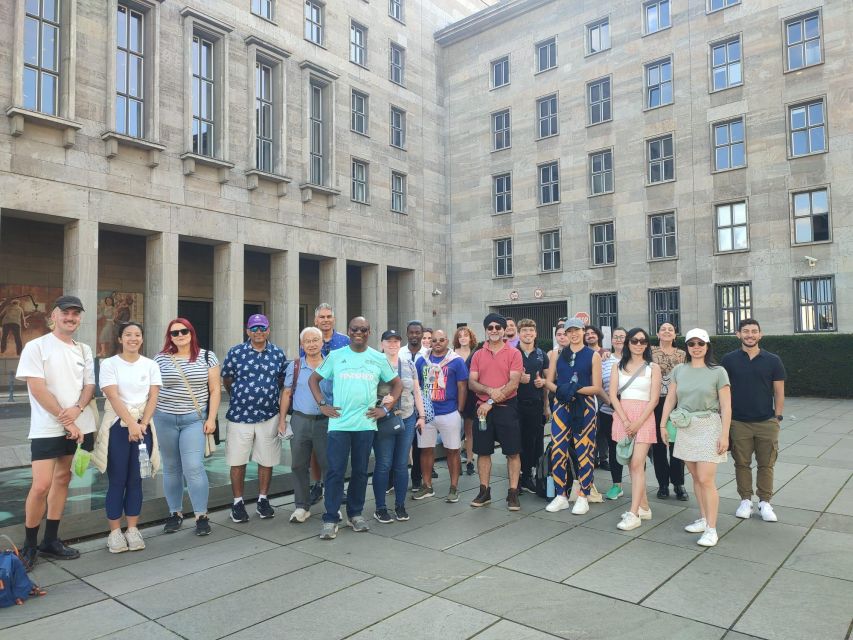
Berlin can be heavy on the heart. This 5-hour walk strings together the Third Reich story and the Berlin Wall era in one continuous route. I like that it is guided by a local historian and that you visit places like the East Side Gallery and the Berlin Wall Memorial on foot. One drawback to plan for: the meeting corner at Generator Berlin Alexanderplatz can get chaotic, so arrive early and find the white umbrella group.
You get a focused, real-world history lesson without the usual museum-only vibe. The tour is built around what you can see and what the buildings and street corners are still saying, even decades later. It also ends back at the meeting point, which makes it easy to hop into other parts of your day.
Since it is a walking tour, come prepared. Bring comfortable shoes and a snack or drink, and dress for weather, because you will spend a good chunk of time outside. Also, since it is wheelchair accessible, the route is designed to be doable for many visitors who need that option.
Key things you will notice on this tour
- WWII to Cold War, connected on one route, not two separate tours
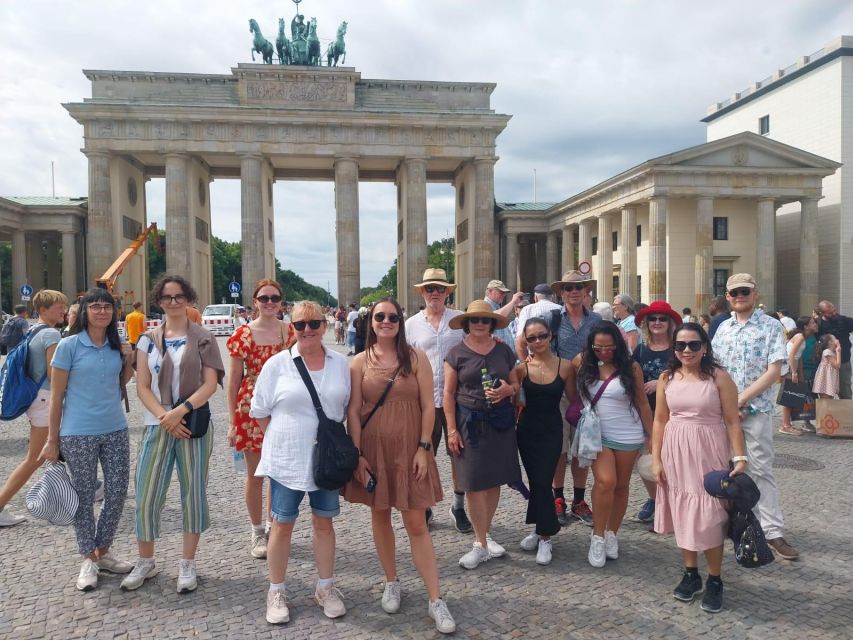
- Wall landmarks you can actually stand beside, including the East Side Gallery and Berlin Wall Memorial
- Architectural survivors, like major government and military structures tied to the story
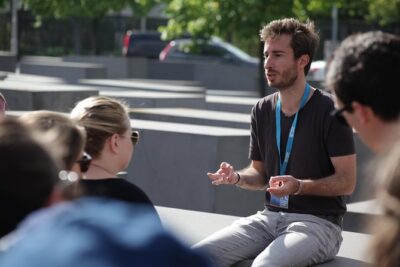
- A guide who frames what you see, with a local historian leading the walk
- Exclusive entry to key sites, where available, so you are not just looking from outside
Other ways to read the Wall and divided Berlin in the street
- Berlin: Third Reich and Cold War 2 Hour Walking Tour★ 4.9 · 6,830 reviews
- Berlin’s Best: 2 Hour Walking Tour Third Reich and the Cold War★ 5.0 · 5,486 reviews
- Skip-the-Line: Berlin Wall Museum at Checkpoint Charlie★ 4.1 · 2,041 reviews
- Cold War, Berlin Wall, Spies and the East Side Gallery★ 5.0 · 1,024 reviews
Why This 5-Hour Walk Works: Third Reich to the Berlin Wall
The best part of this tour is the way it shows Berlin as one long chain of cause and effect. You start with the World War II Third Reich thread, then shift into the Cold War reality of East Communism and daily life behind the Wall. It is not “WWII first, then wall photos.” It is one story with clear turning points.
I also like that the route is designed for walking. You get a sense of distance, and that matters with Berlin Wall history. Standing in front of a landmark is one thing, but understanding how the city layout shaped movement, control, and escape is another.
Because the tour is 5 hours, it stays focused. You are not trying to cover every Nazi building and every Communist-era site in Berlin. Instead, you hit the key places named on the tour, then you finish back at the meeting spot so you can continue exploring on your own.
Meeting Point at Generator Berlin Alexanderplatz: Avoid the Group Chaos
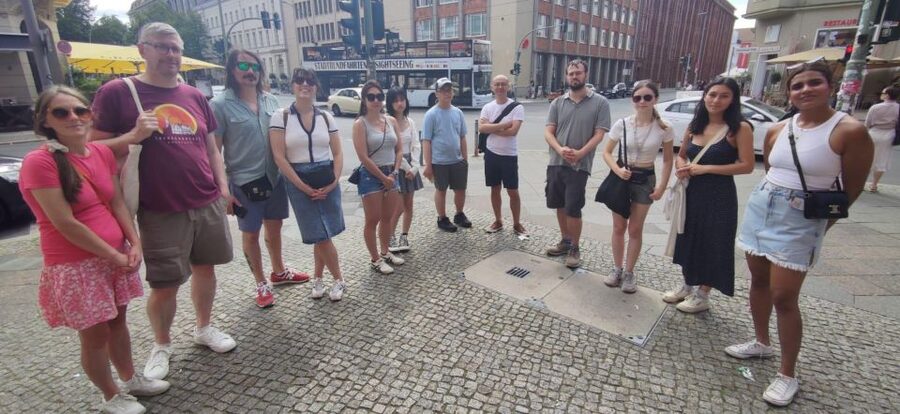
This tour starts at a very specific spot: look for the white umbrella on the corner in front of Generator Berlin Alexanderplatz. It ends back at the meeting point, so you are not stuck trying to navigate across town at the finish.
Here is the practical tip that will save you stress: show up early enough to find the umbrella and check that you are in the right group. When lots of tours gather around the same area, it can get confusing if you arrive right at start time. If you want the full experience as advertised, give yourself a buffer and confirm you are grouped with your guide before you move on.
Also, plan your day around it. Since there is no hotel pickup or drop-off, you are using your own boots and transit. Alexanderplatz is central, but you still want time for getting there without rushing.
WWII Stops: Reichstag Area, Flak Tower, and Hitler’s Bunker Story
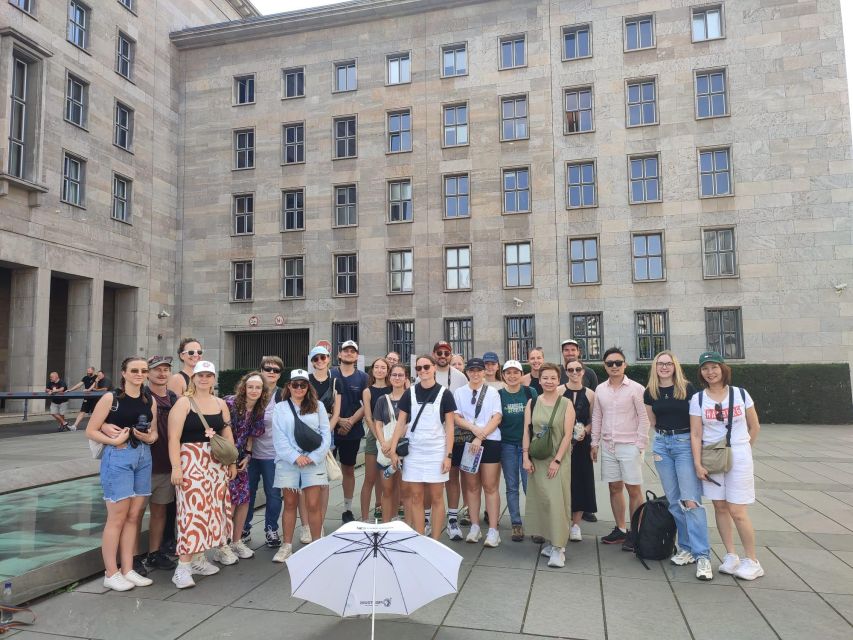
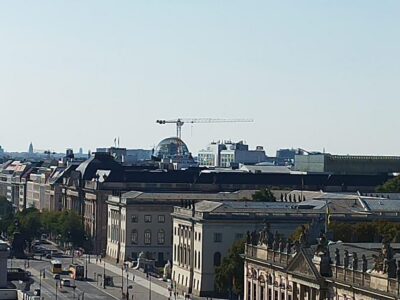
The tour’s WWII portion is built around major landmarks you can recognize from Berlin’s skyline and history tours. You will move through the area tied to the Reichstag and learn how the late-war government story connects to what came next. Even if you have read a lot already, hearing it placed into the streets around you changes how it lands.
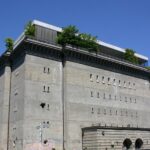
You are also guided to the Russian-German war museum and the Flak Tower. Those sites are useful because they show the war from more angles than a single narrative. Buildings like this are physical reminders of what the city endured, and the guide’s job is to connect the architecture and location to the human story.
The itinerary also includes the area around Hitler’s bunker, which is one of the most charged locations in Berlin. With a topic like this, a good guide keeps the tone grounded and the facts clear, so you are not just doing dark tourism. You are meant to understand why these places mattered, and what their legacy looks like from today’s streets.
A good heads-up: this portion can feel intense. If you need frequent breaks, keep that in mind early. The tour is 5 hours, and you will be on your feet through multiple emotional stops.
Cold War Highlights: Eastside Gallery and the Berlin Wall Memorial
After the WWII thread, the tour shifts into the Cold War era and the reality of East Communism. This is where Berlin Wall history becomes more than a timeline. It turns into the story of borders, surveillance, and the way people tried to live and escape within tight control.
Two stops do a lot of work here. First is the East Side Gallery, where you see the Wall’s visual legacy. Street-level art on a former border can feel surprising at first, but it makes the point quickly: history did not only mean fear, it also meant resistance and expression.
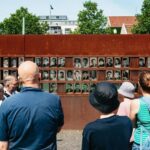
Second is the Berlin Wall Memorial, which is where the story becomes more direct and sobering. Here, you learn about the deeper implications of the Wall and how it shaped daily life on both sides of the border. You also get to see remnants of the Wall rather than only hearing about them.
What I like is that you are not only looking at a section of Wall and taking photos. The guide explains what you are seeing and connects it to the human choices made under pressure. That includes mention of guard towers, escape routes, and the hidden sections of Wall that mattered because they changed what was possible.
More carefully guided routes through Berlin’s wartime history
- Third Reich Berlin: Hitler and WWII Walking Tour
★ 5.0 · 3,301 reviews - Berlin: Third Reich, Hitler, and WWII Walking Tour
★ 4.9 · 1,133 reviews - Berlin Third Reich Sites: Half-Day Walking Tour
★ 5.0 · 835 reviews - Berlin: Guided Bike Tour of the Berlin Wall and Third Reich
★ 4.7 · 499 reviews - Hitler’s Germany: Berlin During the Third Reich & WWII
★ 4.8 · 476 reviews
Standing in the Wall Remnants: What You Learn Beyond Photos
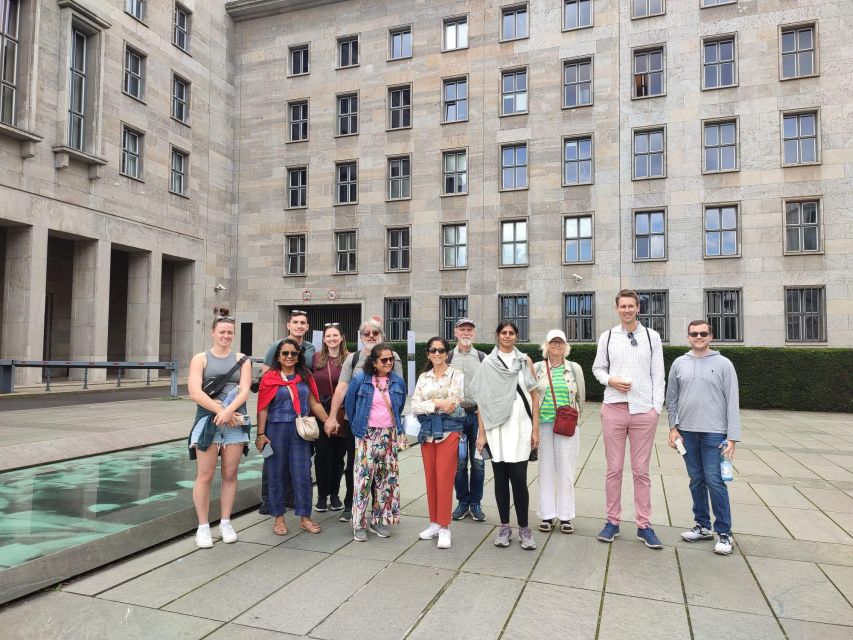
It is easy to reduce the Berlin Wall to one famous image. This tour tries to break that habit. You are guided through remains of the Wall and shown how the infrastructure worked, not just the concept of a barrier.
When you hear about guard towers and escape routes while you are physically near the remnants, the scale becomes clear. The Wall was not only a symbol. It was a system, and the system relied on sightlines, access points, and enforcement patterns that shaped what people attempted and what they risked.
If you care about how history affects real life, this is the most valuable part. You start connecting the dots: why families tried escape, why movement was restricted, why the Cold War tension was not just political, it was personal. The guide’s job is to make that link without turning it into a vague lecture.
A small consideration: if you are the kind of person who gets overwhelmed by heavy topics, you might want to plan a light follow-up afterward. This tour ends centrally, so you can choose a calmer plan after you finish.
Architecture as Evidence: Why Buildings Matter on This Route
One of Berlin’s strengths is that its architecture doubles as history. This tour leans into that idea. You are guided through structures tied to WWII and Cold War events, including the Reichstag area, the Flak Tower, and the sites connected to Hitler’s bunker story.
You also hear how architectural features helped shape what happened. Even when you cannot see every original detail, the buildings still point to the past. Massive government spaces tell you something about authority and ambition. Military structures tell you something about urgency and destruction.
The guide also points out architectural marvels that stood through Berlin’s challenges. That is a helpful angle, because it prevents the day from becoming only doom and gloom. The city survived. The stories remain, but the city is still alive around them.
If you like visual learning, you will probably enjoy this emphasis. You will spend more time looking at the street and the buildings than you do flipping through text.
Practicalities That Make It Actually Enjoyable
This tour is 5 hours, and you should treat it like a real walk, not a casual stroll. Wear comfortable shoes, because you will likely be shifting pace as the group moves between landmarks.
Bring what you need for the day. The tour suggests snacks and drinks, plus cash. It also advises weather-appropriate clothing, which is Berlin code for dress for changing skies. If you go prepared, the history feels easier to absorb.
The tour is live and in English, with a local historian guide. That helps if you want context, not just dates. It is also listed as wheelchair accessible, so the experience is designed with mobility needs in mind.
One more practical note: since the tour ends back at the meeting point, you can plan a meal or another activity nearby without hunting for an exit location.
Value Check: Is the $21 Price Fair in Berlin?
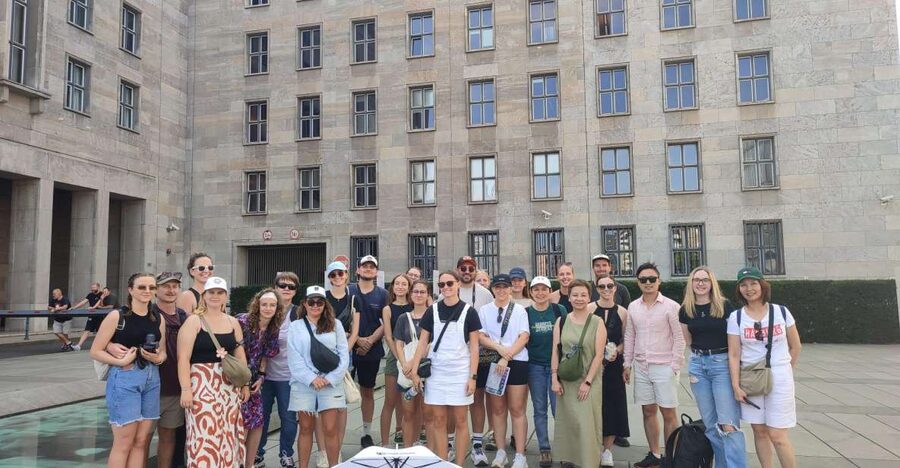
At $21 per person for a 5-hour guided walk, this is priced like a serious value play. The big reason is what is included: a guided journey with a local historian and exclusive entry to key landmarks, plus deep focus on both WWII and Cold War eras.
You do not get meals or refreshments included. That is normal for city walking tours, but it does mean you should plan your energy. If you are able to bring a snack, you keep the day comfortable, and you get more out of the guide’s explanations.
You also do not get hotel pickup or drop-off. That is the tradeoff, but it is also why the price can stay low. The meeting point is central, and Alexanderplatz is easy to reach by transit.
If you want maximum value in limited time, this tour makes sense. You are paying for an organized path through heavy history with the structure and explanations that make the sites meaningful.
Who This Tour Fits Best (and Who Might Want a Different Plan)
This is a strong choice if you want Berlin history that links eras together. If you have ever felt like Berlin’s WWII story and Cold War story were taught in separate silos, this route helps you see the continuity.
It also fits well if you like walking tours where you learn by standing in place. The Wall remnants and memorial stops do better with guidance than self-guided wandering, especially when you want the story behind guard towers, escape routes, and how the Wall operated.
Who might skip? If you want a lighter, more scenic walk, this one may feel heavy. The tour includes Hitler-related sites and war-era landmarks, so your mood should be prepared for that.
If you need flexibility in your planning, the listing offers free cancellation up to 24 hours in advance and a reserve now, pay later option. That is useful when your Berlin schedule is still moving around.
Should You Book This Berlin WWII and Cold War Walking Tour?
I would book it if your goal is to connect the Third Reich to the Berlin Wall in one guided day. The route hits major WWII and Cold War landmarks, with Wall-focused stops like the East Side Gallery and the Berlin Wall Memorial. With a local historian leading in English, you get the context that makes these places more than photo opportunities.
Just take the logistics seriously at the start. Find the white umbrella at Generator Berlin Alexanderplatz early, and make sure you are in the right group before it leaves. If you do that, the rest of the day is straightforward: you walk, you learn, and you end back where you started, ready to keep exploring Berlin at your own pace.
If that sounds like your kind of history day, this tour is a good-value way to see the parts of Berlin that shaped Europe’s modern story.
FAQ
Where does this walking tour start?
It starts at the corner in front of Generator Berlin Alexanderplatz. Look for the white umbrella.
How long is the tour?
The duration is listed as 5 hours.
What is the price per person?
The price is listed as $21 per person.
What language is the tour guide?
The live tour guide is listed as English.
Is the tour wheelchair accessible?
Yes, the tour is listed as wheelchair accessible.
Does the tour include entry to landmarks?
Yes, it includes exclusive entry to key landmarks (where available).
What should I bring with me?
You should bring snacks, drinks, cash, weather-appropriate clothing, and comfortable shoes.
Does the tour end back at the starting point?
Yes. The activity ends back at the meeting point.
Can I get a full refund if I cancel?
You can cancel up to 24 hours in advance for a full refund.
More World War II History in Berlin


More Wall & Cold War Berlin
More Tour Reviews in Berlin





Recently added around Berlin


Berlin Walking Tours, compared.
 ★ 5.0Discover Berlin Half-Day Walking TourFrom $249,624 reviews
 ★ 4.9Third Reich and Cold War 2 Hour Walking TourFrom $236,830 reviews
 ★ 4.9Discover Berlin Walking TourFrom $235,998 reviews
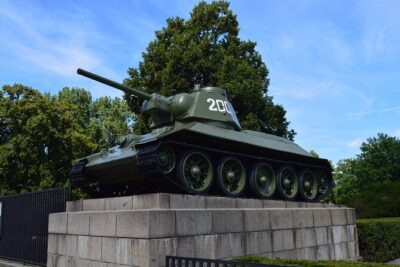 ★ 5.0Berlin’s Best: 2 Hour Walking Tour Third Reich and the Cold WarFrom $245,486 reviews
 ★ 4.8Hidden Backyards Guided Walking TourFrom $235,360 reviews
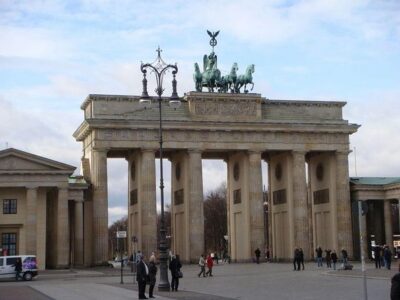 ★ 5.0Third Reich Berlin: Hitler and WWII Walking TourFrom $243,301 reviews
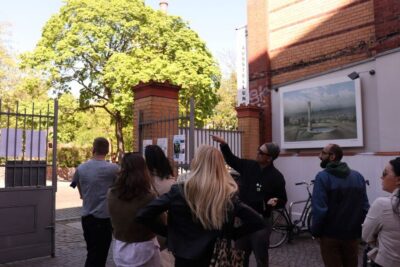 ★ 4.6Alternative Berlin Walking TourFrom $291,204 reviews
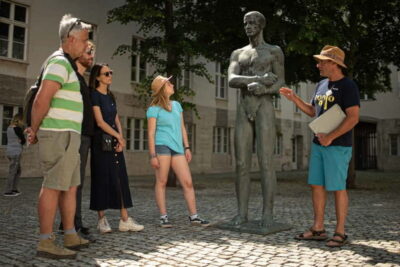 ★ 4.9Third Reich, Hitler, and WWII Walking TourFrom $201,133 reviews
Browse the lists this tour appears in