
Tour review · BERLIN WORLD WAR II & THIRD REICH TOURS
Hitler to Stalin – WWII & Cold War Tour (Small Group)
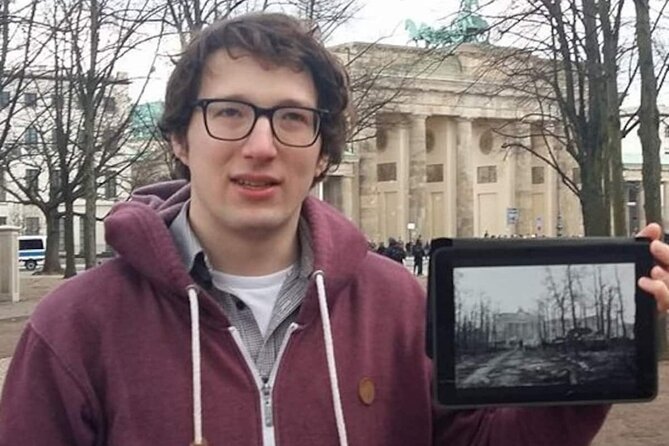
History here walks right beside you. This small-group tour strings together WWII and Cold War Berlin in one focused route, so you leave with a clear sense of how one era set up the next. I especially like the way it connects big landmarks with real street-level context, and I also like that it uses then-and-now photos and maps to help you read what changed.
The tradeoff is that you need stamina. You are on your feet for about 2.5 hours, in rain or shine, and the subject matter includes places tied to Nazis and the Holocaust, so it is emotionally heavy at times.
Key things that make this tour worth your time
- Brandenburg Gate as a starting anchor that frames what Berlin became, not just what happened.
- A tight WWII to Cold War storyline that keeps the timeline understandable.
- Real landmarks on the route, including Hitler-era sites and Cold War flashpoints like Checkpoint Charlie.
- Holocaust Memorial stop, with time to reflect on loss and what lessons the city carries forward.
- Then-and-now photos and maps that clarify what you are seeing versus what was there before.
- Small group format that helps your guide manage questions and keep the pace human.
Other ways to read the Wall and divided Berlin in the street
- Berlin: Third Reich and Cold War 2 Hour Walking Tour★ 4.9 · 6,830 reviews
- Berlin’s Best: 2 Hour Walking Tour Third Reich and the Cold War★ 5.0 · 5,486 reviews
- Skip-the-Line: Berlin Wall Museum at Checkpoint Charlie★ 4.1 · 2,041 reviews
- Cold War, Berlin Wall, Spies and the East Side Gallery★ 5.0 · 1,024 reviews
How Hitler to Stalin ties together Berlin’s most important streets
Berlin can feel like a museum with gaps. This tour is different because it builds a cause-and-effect thread. You start at a national symbol, then move through the political power centers and wartime machinery of the Nazi period, and finally shift into the Cold War, where the city becomes a physical argument between systems.
That structure matters if you want more than a highlight photo set. You will connect why Berlin got divided, how the division played out in everyday life, and why unification was possible when the political balance changed.
A bonus for people who like clear explanations: the guide delivery is consistently praised, including Tom, who stood out for being engaging and well matched to the group. In practice, that means you get a guided narrative, not just a list of buildings.
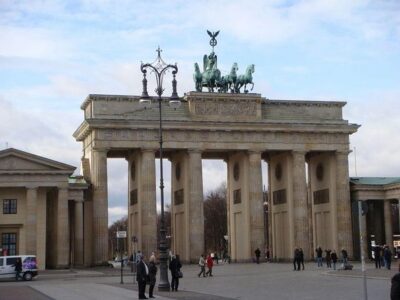
Meeting at Brandenburg Gate, then using it as your map
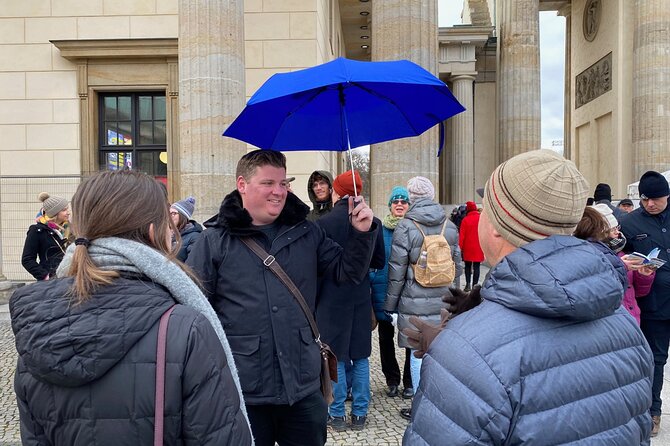
You meet at the Tourist Center at the Brandenburg Gate, and you should look for the blue umbrella. It is a smart start because the Gate is both a wartime scar and a postwar symbol. From the beginning, you are not just learning names, you are learning meanings.
When the group gathers, you get oriented so the rest of the walk makes sense. I like this approach because Berlin’s history is layered. Streets that look normal today often sit right over decisions, fear, and propaganda from decades ago.
Expect to walk away from the starting point thinking about Berlin as a crossroads. That helps the later stops click, especially when the story shifts from Nazi power to Cold War pressure.
Reichstag and the politics behind the power shift
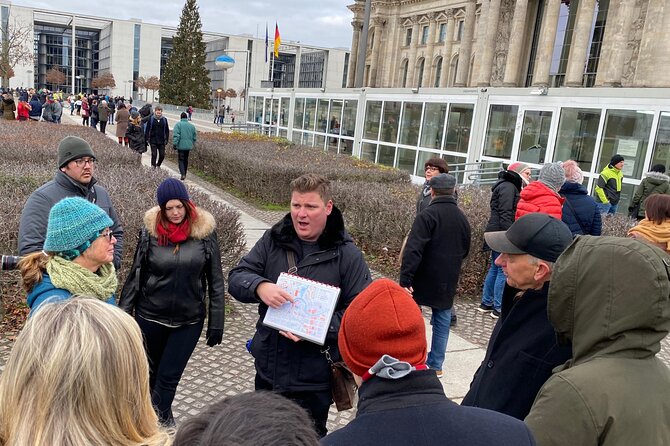
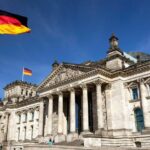
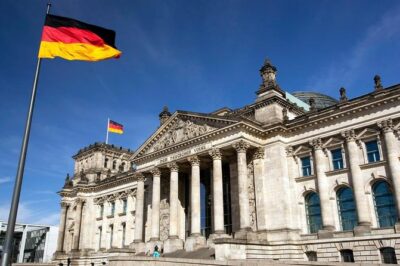
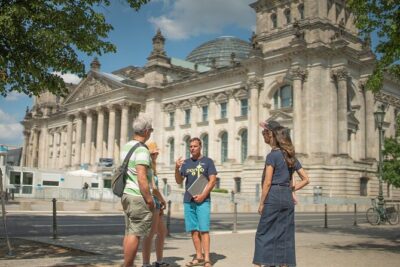
One of the anchors on this route is the Reichstag. This is not just about the building as a postcard landmark. The real value is understanding the political decisions and tension that shaped how WWII unfolded, and how Berlin’s role as Germany’s capital made it a target, a prize, and later a symbol.
In your head, try to imagine politics as machinery. People think of war as battles. The tour frames it as a sequence of power grabs, institutional control, and public messaging, all tied to where government sat.
There can be a lot to process here, and you will want to keep an eye on what your guide emphasizes. If you tune into the why behind the what, the later stops feel connected, not random.
Hitler-era sites, Gestapo HQ, and why the city got dangerous
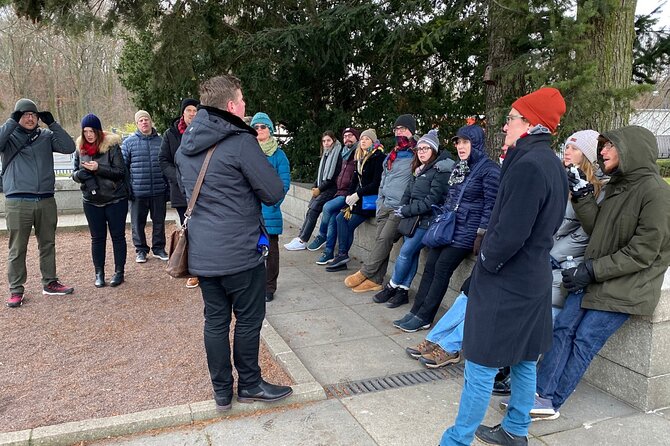
You will also cover Gestapo HQ, plus key WWII-era sites tied to the Nazi regime. The focus is on what power looked like in Berlin: where decisions were made, where repression operated, and how fear became part of the city’s daily reality.
The tour also includes Hitler’s Bunker area in its coverage. Even if you know the broad facts already, seeing these references in a walking route is a different experience. The ground feels closer to the timeline. You can start to sense how someone could move through Berlin and never realize they were near the engine room of a dictatorship.
A practical note: this portion can be intense. If you are sensitive to dark historical topics, pace yourself. Take a breath at quieter moments, especially around memorial and persecution-related sites.
More carefully guided routes through Berlin’s wartime history
- Third Reich Berlin: Hitler and WWII Walking Tour
★ 5.0 · 3,301 reviews - Berlin: Third Reich, Hitler, and WWII Walking Tour
★ 4.9 · 1,133 reviews - Berlin Third Reich Sites: Half-Day Walking Tour
★ 5.0 · 835 reviews - Berlin: Guided Bike Tour of the Berlin Wall and Third Reich
★ 4.7 · 499 reviews - Hitler’s Germany: Berlin During the Third Reich & WWII
★ 4.8 · 476 reviews
The Holocaust Memorial stop, where reflection is part of the visit
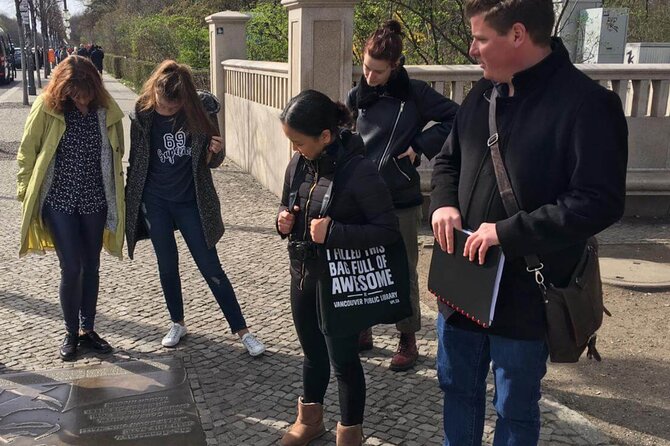
The Memorial to the Holocaust is one of the stops that gives the tour its moral center. The tour includes it for a reason: you are meant to consider the loss and the lessons tied to the Nazi era.
This is one of those locations where you cannot treat it as a quick photo stop. Even if you are traveling with a time crunch, slow down here. I like that the tour explicitly builds this into the route, because it prevents the rest of the tour from feeling like a pure sightseeing circuit.
If you bring a notebook or phone notes, jot down one thought after you leave. It helps your brain hold onto the meaning when the route turns back toward political conflict and division.
The Berlin Wall and the Iron Curtain you can actually see
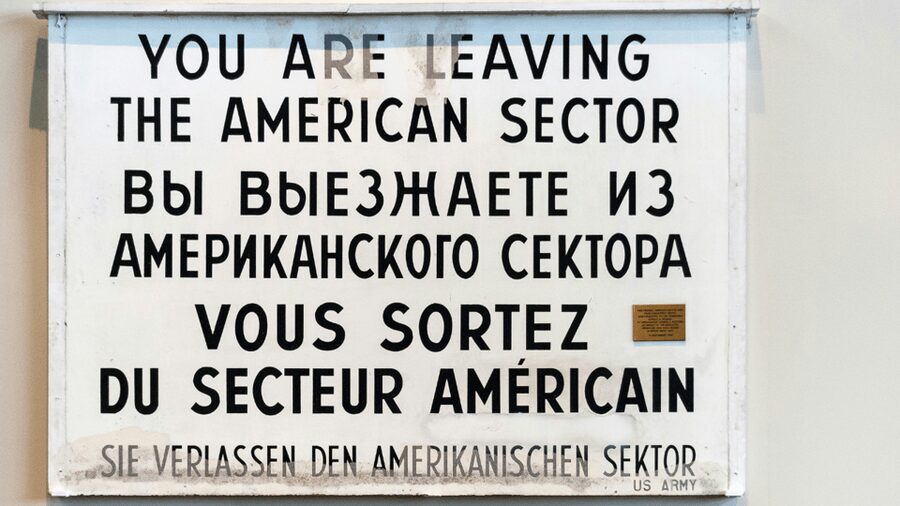
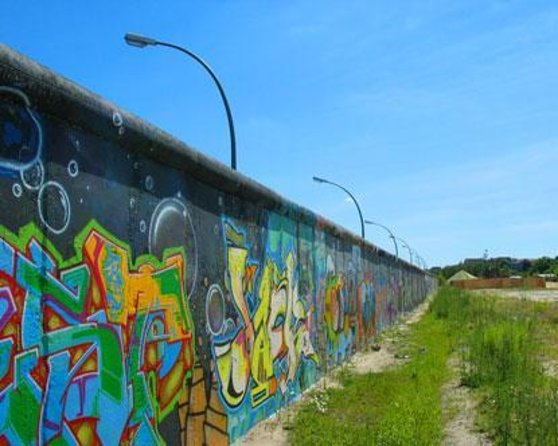
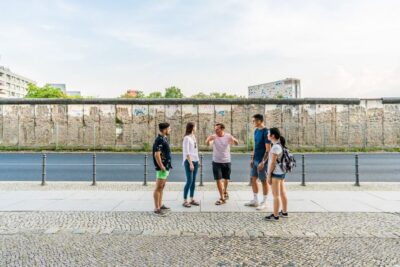
Then the story becomes physical. You visit the Berlin Wall and the tour emphasizes seeing the actual Iron Curtain. That phrase is easy to say in theory. It lands differently when you are looking at a remnant, a viewpoint, or a preserved section within the city.
This is where the WWII to Cold War connection becomes clear. The Nazi era is about totalitarian control, and the Cold War era is about ideological control at a different scale. Berlin becomes the place where those systems confront each other in public.
I also like that the tour highlights how Berlin has been shaped and changed over time. You are not only learning what happened. You are learning why certain spaces were kept, altered, or repurposed as the city moved through decades of trauma and transformation.
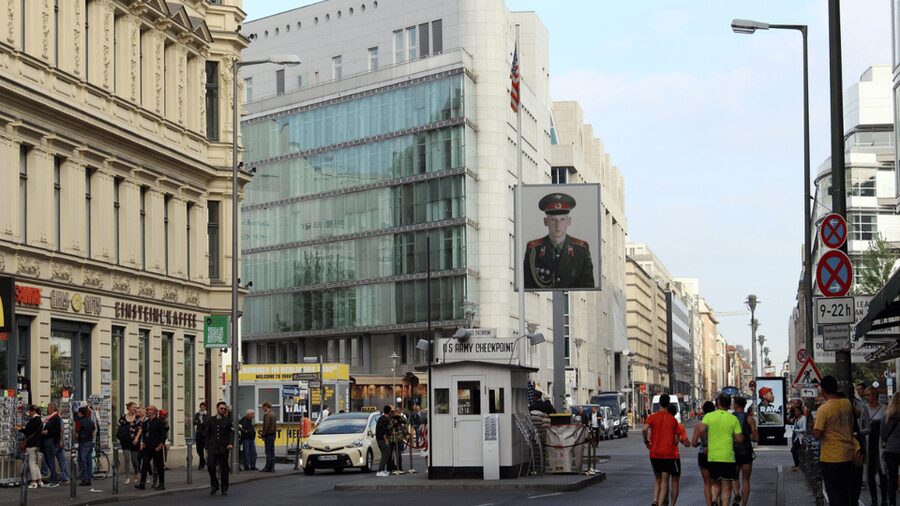
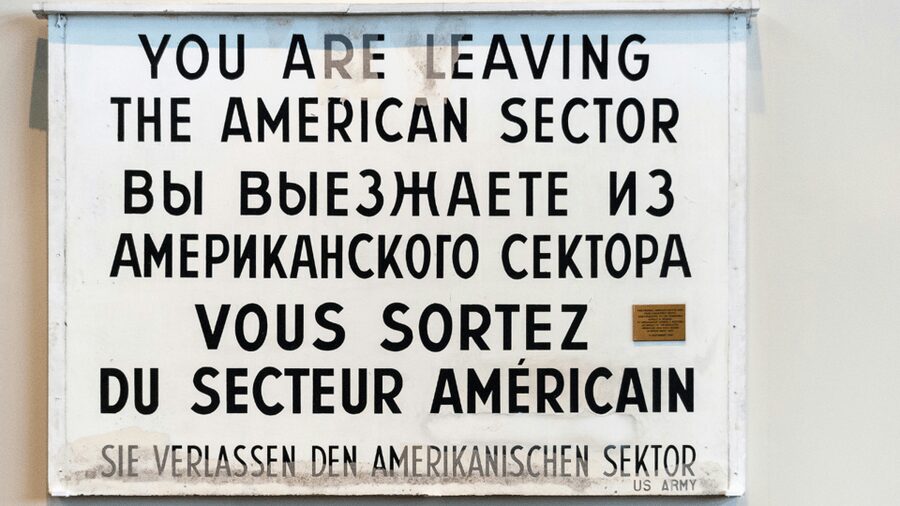
Checkpoint Charlie: a divided city in one walkable frame
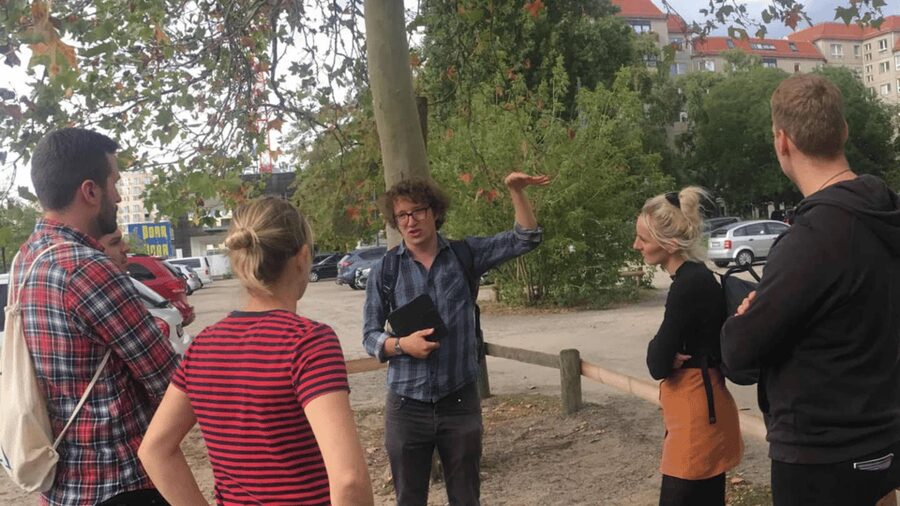
No Berlin WWII and Cold War tour is complete without Checkpoint Charlie, and this one includes it. The value is seeing how the Cold War shows up in real street geometry and public space.
Checkpoint Charlie is often reduced to a famous spot with photos. Here, it is used as a lens for understanding division. You learn what Berlin looked like when crossing lines was dangerous and when politics turned into physical barriers you could point at.
This stop works best if you pay attention to the guide’s comparisons. Ask yourself: what changes between eras, and what stays the same? The tour pushes you toward that question, and that is what makes the ending feel earned.
Brandenburg Gate again, and why the tour ends where it started
The tour finishes back at the meeting point, at the Brandenburg Gate area. Ending there is more than convenience. It is a loop that reinforces the theme: Berlin went from war to division to unification, and the city’s symbols were repurposed each time.
When you return, you will likely notice the Gate differently than when you started. That is the point. You are not just collecting landmarks. You are building a timeline in your mind.
If you want the most out of the last segment, stand back from your phone for a minute and just look. You are effectively closing the story you just walked through.
What the then-and-now photos and maps add to the experience
This tour includes then-and-now photographs and maps, and I think that is one of its smartest features. Berlin is famous for layers, but layering can also confuse people. Photos and maps help you reconnect today’s streets to what used to be there.
You do not need to be an architecture expert to benefit. If you ever felt lost in Berlin because every building looks like it has always been there, this tool helps you read the city like a story.
It also supports a key learning goal: relating landmarks to the broader events that shaped Berlin’s partition and eventual unification. In other words, your brain stops treating each stop like a standalone fact.
How long is it, and what the walking pace feels like
The duration is 2.5 hours, in English, with a live guide. That length is a good sweet spot for busy travelers who want meaningful context without committing to a half-day or full-day.
Because the tour takes place rain or shine, you should be ready for weather. Bring comfortable shoes, water, and light snacks, and pack an umbrella or raincoat if the forecast looks questionable.
Pace is a small-group strength. A smaller group typically means fewer bottlenecks at stops, and it usually makes it easier to ask a question without derailing the route. If you like learning without feeling rushed, this is the right format.
Small group value: why $34 can make sense here
At $34 per person for a guided 2.5-hour walk, the value depends on what you care about. If you want only quick photos, you could DIY a basic route. If you want the why behind Nazi to Cold War transitions, a guide earns their keep fast.
What you get for the price is not just a walk. You get:
- expert-led storytelling tied to landmarks
- a route that covers WWII sites and Cold War flashpoints
- then-and-now photos and maps
- a small group format that supports questions
Also, the guide quality seems consistently strong. Reviews highlight Tom’s engaging, attentive style, and the guide’s ability to cover the sites people expected to see. That combination, strong route planning plus clear explanations, is exactly what you want at this price point.
Who should book this tour, and who might not
I recommend this for you if you:
- want a clear timeline from Nazi Germany to Cold War Berlin
- like guided interpretation of major landmarks instead of self-guided wandering
- prefer a smaller group experience
- want a strong emphasis on understanding division and unification
It might be less ideal if you:
- hate walking in all weather
- need very light, upbeat content, because the Holocaust and Nazi repression topics are part of the route
- want extensive museum time, since this is a street-level walking tour
Quick, practical travel tips before you go
Bring comfortable walking shoes first. Then bring water and a light snack. If rain is possible, pack an umbrella or raincoat. If you dress in layers, you will handle temperature swings better than you think.
One more small tip: keep your expectations focused. You are not touring every famous Berlin building. You are walking the most important nodes in the story.
FAQ
Where do I meet for the tour?
You meet at the Tourist Center at the Brandenburg Gate. Look for the blue umbrella.
How long is the tour?
The tour lasts about 2.5 hours.
What language is the tour guide?
The tour is guided in English.
Is the tour outdoors?
Yes. The tour takes place rain or shine.
What are the top stops on the route?
The route covers key WWII and Cold War sites such as the Brandenburg Gate, the Reichstag, Hitler’s Bunker area, Gestapo HQ, the Berlin Wall, the Memorial to the Holocaust, and Checkpoint Charlie.
What should I bring?
Bring comfortable walking shoes, water, and light snacks. An umbrella or raincoat is recommended if the weather looks unfavorable.
Is it a small group tour?
Yes. It is an exclusive small group tour.
Is the tour wheelchair accessible?
Yes, the tour is wheelchair accessible.
What is included in the tour price?
It includes an expert tour guide, the small group tour format, then-and-now photographs and maps, and the accessible tour.
Is the price per person?
Yes. The listed price is $34 per person.
Should you book the Hitler to Stalin WWII and Cold War tour?
If you want one guided walk that connects Nazi-era Berlin to the Cold War division, book it. The route makes sense, it hits the big landmarks you actually care about, and the added then-and-now photos and maps help you understand what you are seeing instead of just passing it.
Skip it only if you cannot handle steady walking or you prefer a lighter, less direct approach to hard historical subjects. For the right traveler, this is a practical, emotionally honest way to read Berlin’s streets like a timeline.
More World War II History in Berlin

More Wall & Cold War Berlin
More Tour Reviews in Berlin


Recently added around Berlin

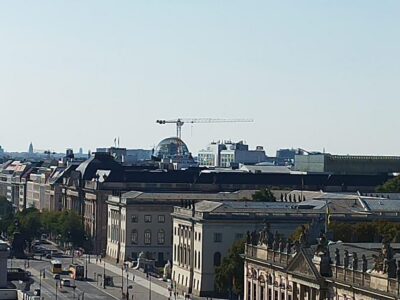
Berlin World War II & Third Reich Tours, compared.
 ★ 4.9Third Reich and Cold War 2 Hour Walking TourFrom $236,830 reviews
 ★ 5.0Berlin’s Best: 2 Hour Walking Tour Third Reich and the Cold WarFrom $245,486 reviews
 ★ 5.0Third Reich Berlin: Hitler and WWII Walking TourFrom $243,301 reviews
 ★ 4.9Third Reich, Hitler, and WWII Walking TourFrom $201,133 reviews
 ★ 5.0Berlin Third Reich Sites: Half-Day Walking TourFrom $21835 reviews
 ★ 4.7Guided Bike Tour of the Berlin Wall and Third ReichFrom $40499 reviews
 ★ 4.8Hitler’s Germany: Berlin During the Third Reich & WWIIFrom $23476 reviews
 ★ 5.0Private Walking Tour Berlin Third Reich Hitler and World War IIFrom $192360 reviews
Browse the lists this tour appears in