
Tour review · BERLIN PRIVATE TOURS
Berlin: Private Bike Tour of the Berlin Wall and Third Reich
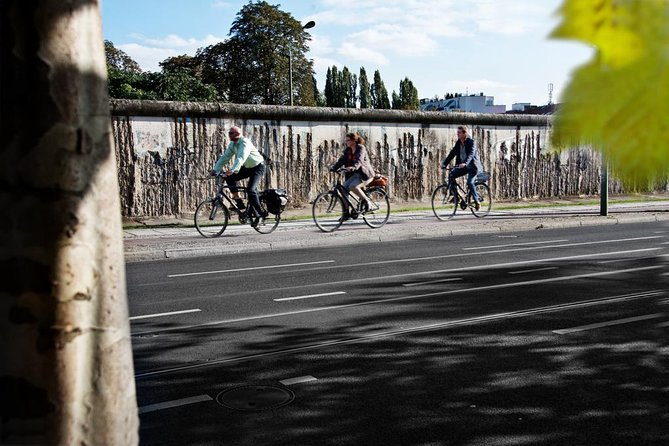
Berlin’s Wall is easier to understand on two wheels. This private bike tour strings together the places where the city’s 20th-century history feels close, not textbook. I like that it’s personalized through a route built by your guide, so you are not stuck on a rigid script.
Two other things I especially appreciate: you get a guided pace that lets you cover big distances without wearing yourself out, and the tour keeps the focus where it belongs, on what each spot meant for Berliners. One consideration: because it is private and set up as a small group experience, it runs with a minimum of 4 people, so it may not fit if you are traveling solo or with a tiny group.
Key things to notice before you book
- Private, small-group format so your guide can slow down, repeat, or adjust what you want to focus on
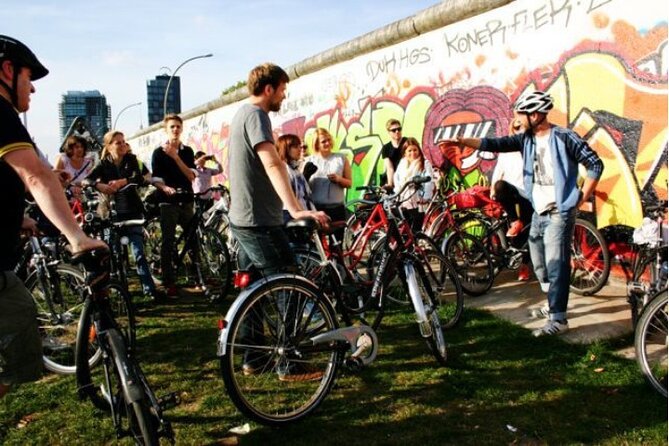
- Bikes, helmets, and a professional guide are included, so you only show up ready to ride
- Wall and Third Reich highlights from Nikolaiviertel to Checkpoint Charlie, plus memorial stops tied to deportation and the Holocaust
- Many stops are walk-up and free to visit, which keeps the tour moving at a steady tempo
- English version includes Checkpoint Charlie, which matters when choosing your language
Other ways to read the Wall and divided Berlin in the street
- Berlin: Third Reich and Cold War 2 Hour Walking Tour★ 4.9 · 6,830 reviews
- Berlin’s Best: 2 Hour Walking Tour Third Reich and the Cold War★ 5.0 · 5,486 reviews
- Skip-the-Line: Berlin Wall Museum at Checkpoint Charlie★ 4.1 · 2,041 reviews
- Cold War, Berlin Wall, Spies and the East Side Gallery★ 5.0 · 1,024 reviews
Why Berlin Wall history makes more sense when you pedal
A 3-hour bike tour is a smart format for Berlin’s heavy sites. You still get time at each stop, but you also avoid the all-day shuffle you get when you try to do the same route by foot.
What makes this one especially useful is the combination of types of places: street-level Wall remnants, memorial spaces, and architecture you can actually see from a bike route. It is the kind of history tour where you can look up, turn your head, and connect the story to what is physically in front of you.
You also get the practical perks that keep it from feeling like a lecture. A helmet is provided, the bike is included, and the meeting point is a clear starting location, so you are ready to roll without hunting down extra logistics.
Starting at Nikolaiviertel, where Berlin’s old town starts the story
You begin in Nikolaiviertel, Berlin’s old-town area and, in a sense, the backdrop for everything that comes next. The tour pauses briefly so you can orient yourself and ask the real-world question, how much of this city survived the 20th century’s destruction.
This opening stop is short, but it does its job. It helps you understand why Berlin looks the way it does now, with layers built over scars. If you like “why this place looks like this” explanations, this early grounding is a win.
Possible drawback: since the stop is only around 10 minutes, don’t expect deep detours into older medieval details. Think of it as a fast foundation, then the route shifts into 20th-century urgency.
A synagogue saved the night of broken glass
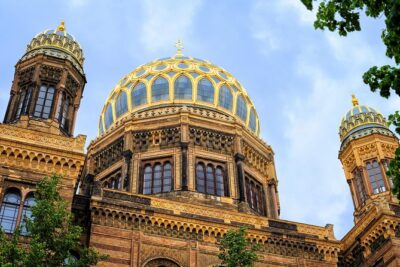
Next comes the Stiftung Neue Synagoge Berlin – Centrum Judaicum. The pause here focuses on civil courage, including a story about a police officer who saved the building during the night of broken glass.
I like this kind of start because it refuses to treat history as distant. You are standing in a place that connects to violence that was immediate and targeted, then you hear about the human choice that mattered that night.
This stop is brief, about 5 minutes, but it sets a tone. You go from surviving a specific attack to understanding how Berlin’s later memorial choices would carry the weight forward.
Memorials for deportation and Holocaust victims, including a GDR-era contrast
After the synagogue, the route includes a memorial tied to victims of deportation and the Holocaust, designed in the GDR era. The tour frames it in contrast with the more famous memorial area near Brandenburg Gate, which helps you see why Berlin chose different ways to remember depending on the time and politics.
This is one of those stops where the value is not just the facts. It is the pacing and the comparison. When you are given both the lesser-known and the well-known spaces in the same broader day, you get a clearer picture of how memory is curated in physical form.
The main tradeoff is emotional intensity. If you prefer your tours to spread heavy topics out more, plan to take a quiet breath during the walk or between stops.
More carefully guided routes through Berlin’s wartime history
- Third Reich Berlin: Hitler and WWII Walking Tour
★ 5.0 · 3,301 reviews - Berlin: Third Reich, Hitler, and WWII Walking Tour
★ 4.9 · 1,133 reviews - Berlin Third Reich Sites: Half-Day Walking Tour
★ 5.0 · 835 reviews - Berlin: Guided Bike Tour of the Berlin Wall and Third Reich
★ 4.7 · 499 reviews - Hitler’s Germany: Berlin During the Third Reich & WWII
★ 4.8 · 476 reviews
The Berlin Wall memorial segment that lets you understand the barrier
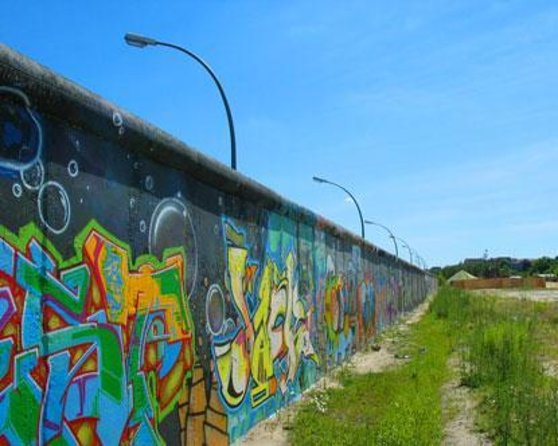
Then you reach the Memorial of the Berlin Wall, described as one of the spots where the Wall is still alive. This matters because it is easier to understand what the Wall meant when you can actually see the scale and feel the separation in a real setting.
This stop is around 10 minutes, and it is set up to be more than a photo stop. The tour positions it as a place where you can experience the Wall’s impact on Berlin, not just hear dates and slogans.
If you are prone to rushing, this is a good place to slow down. You will understand more when you look in both directions and picture daily life on either side of the barrier.
Mauerpark and the idea of a perfect border
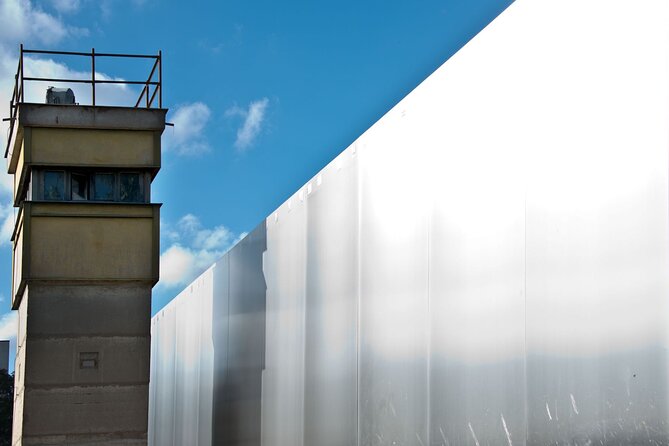
You continue to Mauerpark, which today is famous for its Sunday flea market. The interesting twist here is the framing: the tour uses Mauerpark to show the persistent attempts of East Germany’s rulers to create the perfect border.
I like this pairing because it breaks the “Wall equals only ruin” mindset. The story follows the Wall even when the area is lively now, which is exactly how Berlin often works. You see normal life next to the structure that tried to control normal life.
Downside to consider: this stop is about 10 minutes, so if you also want to linger for the flea market vibe, you may need to manage your expectations. The tour is built for history stops, not extended shopping time.
Humboldthain Flak Tower, Nazi architecture, and a panoramic view
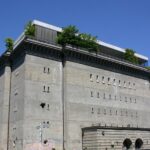
Next is the Humboldthain Flak Tower, once a major air-raid shelter and fortress. The tour calls out the panoramic view, which gives you a sense of geography and helps with understanding how big these Nazi-era structures were.
You also get insights into Nazi-architecture from this perspective, which I find more effective than just reading descriptions. When you can see the surroundings, it helps you understand why these buildings were meant to dominate the skyline.
Possible drawback: views depend on weather. Since the tour runs in all weather conditions, you will still go out, so bring the right layer for your day and treat rain or wind as part of the experience.
Günter Litfin’s preserved tower, and why one name mattered
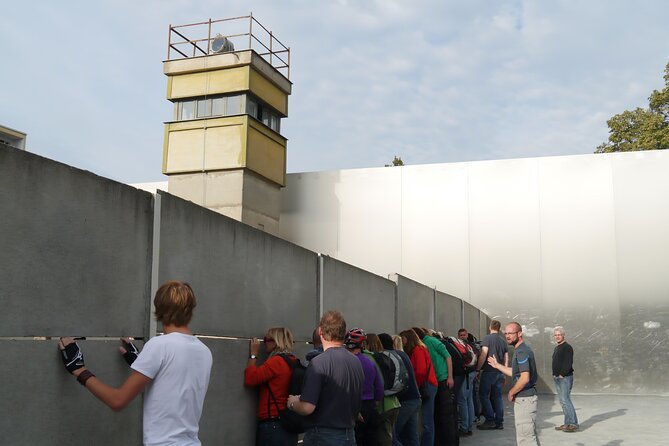
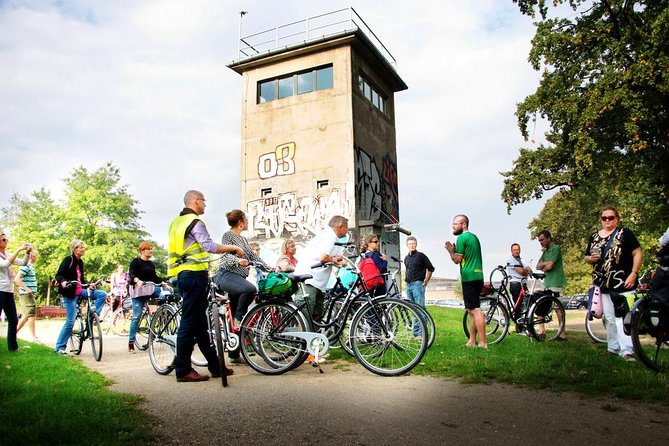
A short stop at the Gunter Litfin Memorial keeps the attention on a specific individual. The route explains that an original tower was preserved to remember Günter Litfin, described as the first person shot at the Wall.
This is the kind of stop that hits hard because it takes you away from sweeping numbers and gives you a human anchor. Even in about 10 minutes, it helps you connect the Wall to real consequences, not abstract conflict.
If you dislike guided stops that focus on targeted tragedy, you might find this section heavy. But for many history-minded travelers, it is one of the most meaningful moments on the whole route.
Invalidenfriedhof, the Wall slicing through a burial ground
At Invalidenfriedhof, the tour points out how the cemetery was cut in the middle by the Wall. The site is also described as a burial place for military “heroes,” and the tour does not shy away from the uncomfortable point that some of the people honored there are controversial.
I appreciate this approach. It keeps you from treating commemoration as automatically respectful. The guide’s job is to show you why certain places exist, what they meant at the time, and how that meaning can conflict with today’s values.
This stop is around 10 minutes. It is short, but it gives you enough context to look at the cemetery layout with a more critical eye.
Spreebogenpark and the Great Hall plan from Albert Speer
At Spreebogenpark, you get a practical kind of learning: an overview of Berlin’s governing district. The tour also uses the view to discuss plans by Hitler’s architect Albert Speer, including the vision for a Great Hall that, according to the tour, would have fit 180,000 people.
This is a rare blend of architecture plus political ambition. When you see the space where rulers wanted to project power, the story stops being abstract. You start thinking about crowd control, propaganda, and how building plans were used to sell an ideology.
Downside: if you hate urban planning talk, you might want to ask for more grounding in what it would have meant for ordinary people. You can also use the bike moments to reset your focus.
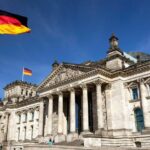
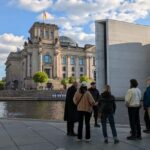
Reichstag building outside: power, downfall, and democracy
You then stop at the Reichstag Building. The tour focuses on Hitler’s grab of power and Germany’s democratic history, with the emphasis placed on what you can see from outside rather than going in.
I like this format because the exterior views still tell you a lot, and you keep the tour moving through its schedule. It is about framing the political story you are building all day, then letting the next memorial sections take the emotional weight forward.
If you want to go inside the Reichstag, you would need separate plans. This tour keeps it outside, by design.
Holocaust memorials: big names, three victim-group spaces, and Fuhrerbunker nearby
Later, the route includes one of three memorials for the three biggest victim groups of the Holocaust. Then the day’s most widely known stop arrives: the Holocaust Memorial, Memorial to the Murdered Jews of Europe.
The tour describes it as the biggest genocide memorial in the world, and it notes the shocking fact that it was created by the ones responsible for the killing. Even if the phrasing feels abrupt, the point lands: you are looking at a memorial in a place where the scale of human cruelty is impossible to ignore.
After that, you reach the Fuhrerbunker. Today, the only thing you see is a parking lot, and the tour explains why. I think this is a powerful way to end a portion of the tour because it forces you to accept how quickly history can vanish from the surface while still shaping everything that follows.
Keep an eye on your emotions here. If you like to talk while you walk, this is a good time to let your guide know you want more time at a stop or less.
Checkpoint Charlie appears only in the English tour
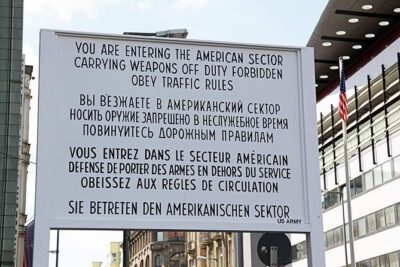
Finally, the route includes Checkpoint Charlie in the English version of the tour. The explanation ties it to the Cold War, including the point that it was the only shared border station between the USA and USSR, and the idea that a third world war nearly started right there.
This is a good reminder that Berlin history tourism is language-dependent here. If Checkpoint Charlie is on your must-see list, choose English when booking.
If you are visiting in German, you still get a strong Wall and memorial route, but you should not count on the Checkpoint Charlie stop being included.
Bikes, private pacing, and what you actually get for the price
The price is $107.42 per person for about 3 hours. That can sound high if you compare it to a group bus, but it is also what you pay for when you want the bike included, a professional guide, and a private tour with the flexibility to adjust.
The fact that helmets and bicycle use are included removes two common extra-cost headaches. And the tour design uses multiple free, walk-up style stops, so you are not stacking ticket fees on top of the base price.
It also helps that the Free-Berlin Concept means each guide designs their own route. For you, that means the tour is not a carbon copy of someone else’s day. It can be a better match if you love particular parts, like Wall sites versus Nazi-era architecture.
One more value signal: this experience scores 4.9 out of 5 and is recommended by 96% of travelers. That kind of consistency matters for a history tour where the guide’s delivery makes or breaks the experience.
Who this tour fits best, and who might want to skip it
This is a strong fit for history buffs who want a guided thread from the Third Reich era into Wall-era Berlin and then into Holocaust memorial sites. If you like “see it, then understand it” learning, riding between stops makes the story easier to keep straight.
It also works well for families because it is described as family-friendly, with children welcome and infant seats available on request. The short stop durations help keep kids from getting restless.
I would think twice if you want a long, slow museum-style day. This tour is about moving and pausing, not about deep indoor exhibits. It is also not designed for people who cannot ride a bike, since biking is the main transportation.
Should you book this private Berlin Wall and Third Reich bike tour?
I think it is worth booking if you want one afternoon that covers a lot of ground without turning into a tiring march. The private format, helmet and bike included, and the Wall plus memorial focus make it a practical choice for first-timers and repeat visitors alike.
It is also a good option if you want your guide to steer the balance between topics. You will get flexibility to customize the route to your preferences, which is the difference between a generic checklist day and a history day that feels made for you.
If your priority is only one location, like the Holocaust Memorial or Checkpoint Charlie, you might be able to do that cheaper on your own. But if you want the whole connected story, this is the kind of tour that saves you time and keeps the meaning intact.
FAQ
How long is the Berlin Wall and Third Reich private bike tour?
It runs for about 3 hours.
Is this tour private or shared with other groups?
It is private, meaning only your group participates.
What language options are available?
The tour is offered in English and German, and other languages may be possible on request.
What is included in the price?
The tour includes a professional guide, bicycle use, and a helmet.
Does hotel pickup happen?
No, hotel pickup and drop-off are not included, and the tour ends back at the meeting point.
Do I need to worry about weather?
It operates in all weather conditions, so you should dress appropriately for the conditions.
More World War II History in Berlin

More Wall & Cold War Berlin
More Tour Reviews in Berlin

Recently added around Berlin

Berlin Private Tours, compared.
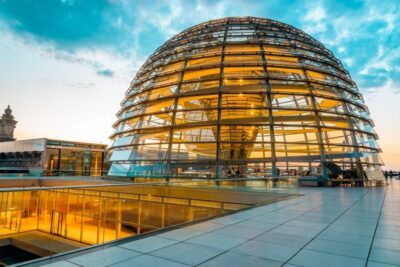 ★ 4.8Private Reichstag and Glass Dome TourFrom $2882,226 reviews
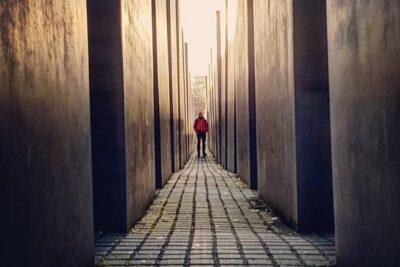 ★ 5.0Berlin Private Complete History All Day Walking TourFrom $253474 reviews
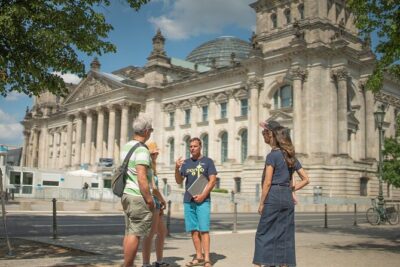 ★ 5.0Private Walking Tour Berlin Third Reich Hitler and World War IIFrom $192360 reviews
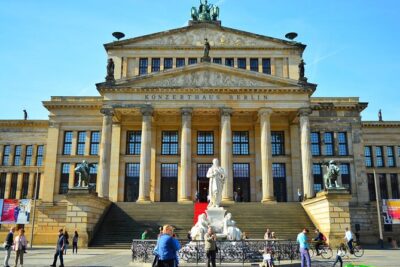 ★ 5.0Private Berlin: Iconic Sights and Hidden Gems Walking TourFrom $192292 reviews
 ★ 5.0Berlin Private Half-Day Walking Tour: Discover the German Capital’s HistoryFrom $180244 reviews
 ★ 5.0Private Walking Tour: World War 2 and Cold War Sites in BerlinFrom $192230 reviews
 ★ 5.0The History of Berlin: WWII PRIVATE Walking Tour With LocalsFrom $143209 reviews
 ★ 5.0Private Sachsenhausen Concentration Camp tour with trainFrom $338205 reviews
Browse the lists this tour appears in